Oil markets are shifting as Venezuela's disruption removes critical barrels while spare capacity shrinks. Supply pressure is building before headlines catch up — and smart traders are positioning now.
Our exclusive briefing reveals three energy stocks emerging from this supply shock, plus the key signals to monitor as this setup evolves. This is about preparation, not prediction.
Get the Free Oil Trading ReportBy following the links above, you're opting in to receive valuable updates from Wealthiest Investor News plus 2 bonus subscriptions. Your privacy is important to us. You can unsubscribe anytime. See our privacy policy for details.

Live Well. Invest Smart. No Apologies.

Image via Yahoo Finance
Rivian Hits the Market for More Cash, and Shares Pay the Toll
Rivian shares slid after the company announced a 75 million share sale and pre-announced second-quarter revenue. That combination is the classic one-two punch: dilution today, plus the subtle signal that management wants to control the narrative before the full report lands.
In plain English, Rivian is still in the part of the movie where capital matters more than charisma. EV manufacturing is a cash furnace, and the market has moved on from funding dreams at any price. If your cost curve, demand visibility, and margin path aren’t tightening fast enough, investors don’t negotiate; they reprice.
Pre-announcing revenue can be responsible, but it also tells you what they’re prioritizing: shoring up confidence ahead of a bigger conversation about profitability, guidance, and liquidity runway. Rivian can make a great truck. The question is whether it can make a great business before the next funding window gets even harsher.
🥃 Cole's Take: If you own it, treat every equity raise like a tax and ask whether the company is buying time or buying a real inflection point. I’m not allergic to dilution when it funds a credible margin plan, but EV names don’t get “trust me” valuations anymore. I’d rather miss the first 20 percent of a turnaround than hold through another round of “necessary” capital raises.
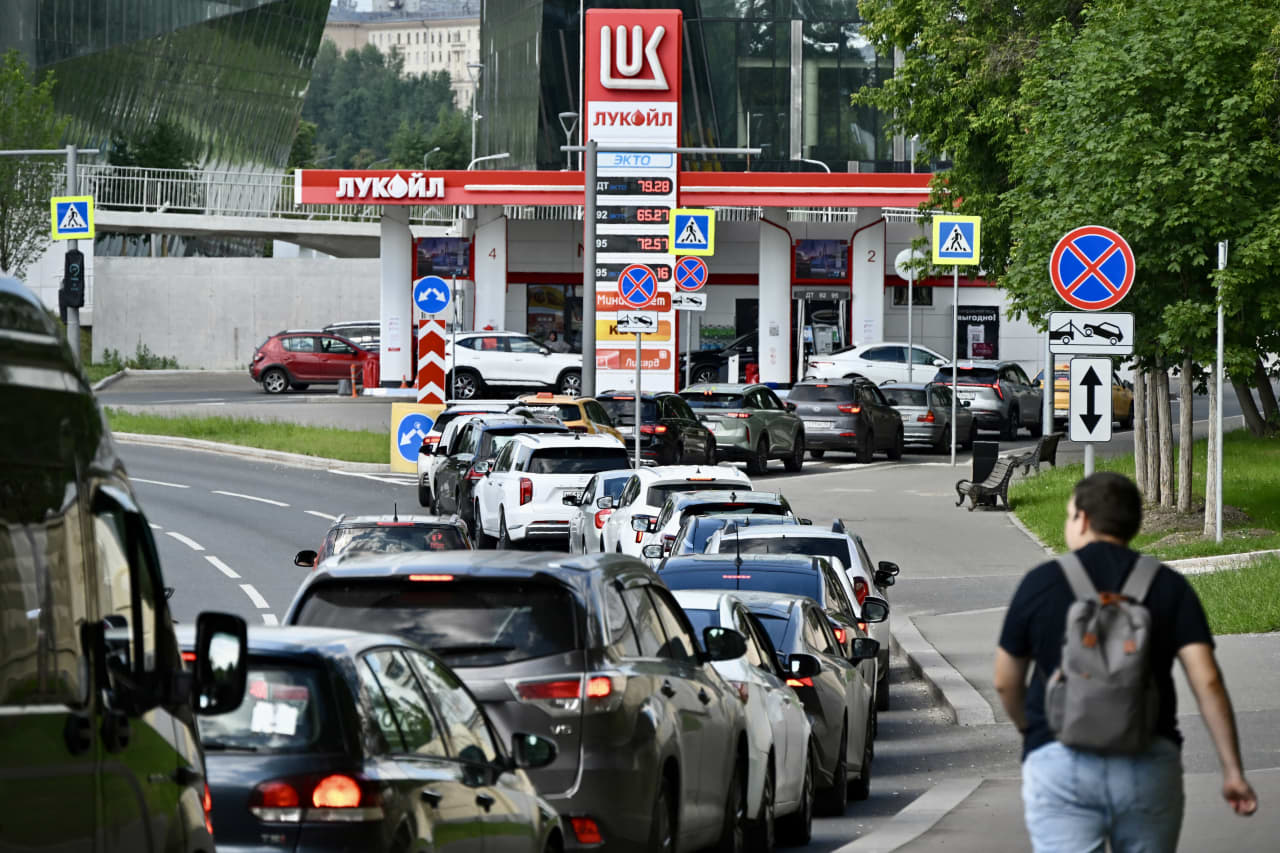
Image via MarketWatch
Russia’s Refineries Burn, and the Bond Market Smells the Smoke
Russia’s oil refining infrastructure has been taking hits, and the knock-on effects are showing up where it hurts: fuel logistics and the bond market. When refineries get disrupted, you don’t just lose export barrels; you destabilize domestic supply, pricing, and the day-to-day mechanics that keep an economy moving.
Markets have a way of translating chaos into yield. If investors believe a government will need to spend more to stabilize internal conditions, offer incentives, or paper over shortages, they demand a higher return to take that risk. Bond markets don’t care about slogans. They care about cash flow, credibility, and whether a state can keep the lights on without printing the wallpaper.
The key angle here isn’t just energy; it’s negotiating leverage. Fuel scarcity and financing stress are the kind of pressure that can change timelines and decision-making. Wars grind on until they collide with logistics, domestic patience, or money. Sometimes all three show up at once.
🥃 Cole's Take: When you see refineries and bonds both under stress, you’re looking at a real constraint, not a headline cycle. For portfolios, the clean play is staying diversified across energy exposure and not confusing “lower oil someday” with “lower volatility now.” And geopolitically, the bond market is often a more honest scoreboard than the front lines.

Image via Forbes
Driverless Delivery Is Winning Consumers, but the Real World Hasn’t Been Retrofitted
Consumers are increasingly comfortable with driverless delivery showing up at malls, restaurants, and specialty retail. The novelty is wearing off, and that’s good news for the companies building the tech: adoption happens when it becomes boring and reliable, not when it’s a viral video.
But the limiting factor isn’t just software; it’s infrastructure. Curb management, pickup zones, last-30-feet logistics, mapping standards, local regulations, and even basic things like where an autonomous unit can safely stop without blocking traffic all matter. Autonomy doesn’t scale on demos; it scales on repeatable routes, predictable handoffs, and cities that don’t treat every deployment like a one-off science experiment.
This is the unglamorous phase, and it’s where fortunes actually get made: the platforms that integrate with retailers, municipalities, and property owners will compound. The winners won’t be the flashiest vehicles. They’ll be the ones that reduce friction, claims, and cost per delivery until the spreadsheet beats the human alternative.
🥃 Cole's Take: I’m bullish on autonomy where it replaces short, expensive labor loops, but I’m skeptical of any pitch that ignores infrastructure and liability. If you want to invest around this theme, look for the toll collectors: routing, fleet ops, sensors, insurance tech, and last-mile software that plugs into existing retail workflows. The real edge is boring integration, not futuristic branding.
📎 Forbes

Image via Outdoor Life
The Strange Wild-Game Meal That Reminds You Why the Good Life Is Earned
Outdoor travel has a way of resetting your baseline. You can eat well in any city with a reservation, but it’s different when the meal comes with a story you paid for in miles, weather, early mornings, and a little uncertainty.
This piece runs through some of the weirdest and most delicious wild game the author has eaten across global hunts. It’s a reminder that “wild” isn’t a novelty label; it’s a spectrum of flavors and textures that most people never touch because they never leave the comfortable loop of grocery-store proteins.
There’s also a practical takeaway: food is culture, and hunting is logistics. When you travel for the outdoors, you learn how people preserve, cook, and respect what they take. It’s not about bragging rights. It’s about the kind of gratitude that shows up when your dinner wasn’t guaranteed.
🥃 Cole's Take: The older I get, the more I value experiences that can’t be replicated with money alone. If you’re going to spend, spend on stories you’ll still tell when your phone is dead and the market is closed. And if you’ve never tried truly unfamiliar wild game, do it once with the right guide and the right kitchen; it’ll recalibrate what “delicious” means.

Image via Robb Report
A Solar-Electric Catamaran That Makes Diesel Feel Like a Rotary Phone
Pioneer’s first solar-electric catamaran, the 60-foot Pioneer One, just hit the seas with a design aimed at long-range, emissions-free cruising. Whether you’re a boat guy or just a man who likes well-built machines, this is the kind of product that signals where premium marine is headed.
The marine world is a perfect test bed for electrification when it’s done honestly: predictable use cases, high fuel costs, and owners who value quiet, comfort, and engineering. Solar plus electric propulsion also changes the psychological side of cruising. Less noise, less smell, fewer refuel runs, and more flexibility around where you anchor and how you plan a week on the water.
This isn’t a mass-market moment, and it doesn’t need to be. Flagship builds like this push supply chains forward: batteries, power management, lightweight materials, and onboard energy systems. Today it’s a luxury cat. Tomorrow, pieces of it show up everywhere from sport fishing to coastal tenders.
🥃 Cole's Take: Electrification wins when it makes the experience better, not when it wins an argument online. Quiet cruising and fewer fuel logistics are real luxuries, and the buyers at the top pull the whole market forward. If you’re investing, watch the component ecosystem more than the logo on the hull; the parts makers often have the cleaner long-term curve.

Image via GOLF.com
Chris Gotterup’s Swing: Three Lessons You Can Steal Without Rebuilding Your Game
A unique swing is only “weird” until it repeats under pressure. Chris Gotterup’s action gets broken down into three learnable pieces that most golfers can adopt without chasing a total makeover.
The instruction here is practical: focus on the elements that produce consistency, not the cosmetic stuff that looks good in slow motion. Most amateurs don’t need more tips; they need fewer moving parts, cleaner sequencing, and a swing thought they can actually hold onto on the 16th tee.
The broader lesson is one I’ve learned in markets and on the course: the goal isn’t perfect form. The goal is predictable outcomes. If a move gives you face control, contact, and manageable misses, you can play real golf with it for the next decade.
🥃 Cole's Take: Stop copying swings and start copying principles: stability, tempo, and a repeatable strike. Pick one change from this breakdown, commit to it for a month, and let your scorecard tell the truth. The best swing is the one that holds up when you’ve got a match on the line and a little bourbon in your system.
📎 GOLF.com
Cole Hargrove The Balanced Brief Live Well. Invest Smart. No Apologies.
— Cole Hargrove