Sponsored By:
Some tickers don't knock — they kick down the door. Volume explodes, momentum surges, and suddenly everyone wants in. GuyStocks hunts these moves before they go mainstream: unusual trading activity, fresh catalysts, and emerging small-cap stories — delivered straight to your inbox as timely momentum alerts.
Stop finding out after the fact. Get on the GuyStocks alert list and know what's moving before "Where the heck did THAT come from?" becomes your reaction.
Join GuyStocks — Get on the Alert ListBy clicking the link above, you agree to receive emails from GuyStocks.com. You can opt out at any time. Privacy Policy

Live Well. Invest Smart. No Apologies.
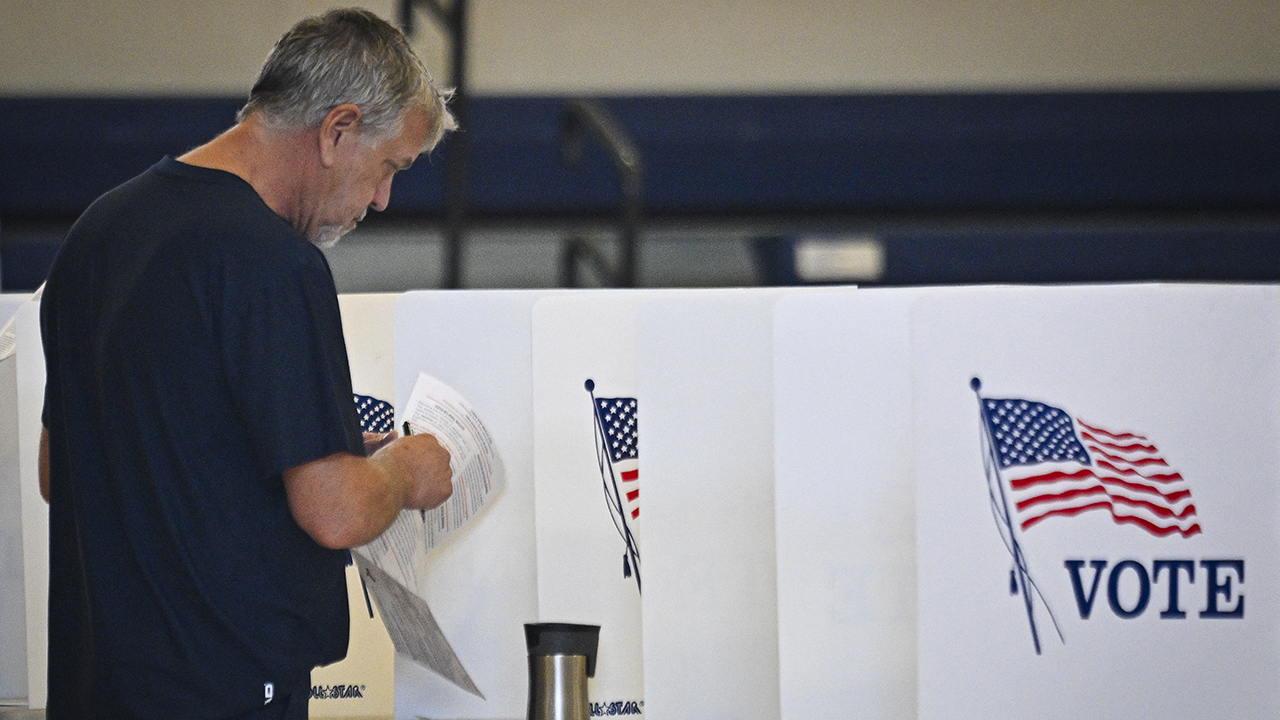
Image via Fox Business
Midterms, but Make It Personal: Voters Are Pricing Groceries, Gas, and Rent
If you want the cleanest read on this election, skip the hot takes and watch what people complain about at the pump and in the checkout line. Cost of living is dominating the conversation, with voters tying everything from grocery bills to gasoline prices to their sense of whether the country is being competently managed.
Affordability isn’t a single variable, either. Households feel it in the day-to-day: higher insurance premiums, stubborn food inflation, financing costs that don’t care about your politics, and rent that resets faster than wages. When that stack-up hits, “macro” turns into “mood,” and mood is what moves turnout.
The market angle is simple: politics can change the tone, but it doesn’t instantly reset supply chains, housing inventory, or the math behind interest expense. Whoever wins gets the same constraints on Day One, which is why voters often feel disappointed by how little changes after the confetti gets swept up.
🥃 Cole's Take: When cost of living is the headline, every candidate becomes a walking price tag. If you’re building wealth, treat election noise like weather: plan for it, don’t bet your retirement on it. The smart move is owning assets that can live through policy swings—quality businesses, sane real estate exposure, and enough cash buffer that you’re never forced to sell on a bad week.
Image via MarketWatch
Apple Slips After Earnings: The Market’s Asking for Proof, Not Brand Power
Apple’s stock took a hit after earnings as investors zeroed in on what really matters at this stage of the cycle: margins and the durability of Services growth. The reaction wasn’t about whether Apple is a great company—it’s about whether the next leg of earnings can show up on schedule while the market is less willing to pay up for “eventually.”
Gross margin outlook and slowing Services growth are the kind of details that make big money recalibrate. When the base is enormous, even small decelerations matter. And when the story has been “Services smooths the hardware bumps,” a wobble there gets amplified.
This is also what a more normal market looks like. During easy-money years, a premium brand could skate on narrative. In a higher-rate world, investors want operating leverage, pricing power that’s still working, and guidance that doesn’t read like a hedge fund disclaimer.
🥃 Cole's Take: I don’t panic-sell Apple on a single print, but I also don’t pretend it’s a savings account. If you own it, own it for the business and the ecosystem—not because you assume the multiple will always bail you out. I’d rather add on weakness with a clear plan than chase strength after the crowd decides the coast is clear again.

Image via RealClearMarkets
Prediction Markets Are Leaning Blue: What That Really Means for Your Portfolio
A mathematical read of the midterms, filtered through prediction markets, is pointing toward Republicans losing majority control of both the House and Senate. The key takeaway isn’t partisan victory laps—it’s that markets are constantly pricing probabilities, not certainties, and they adjust faster than cable news can refresh a chyron.
Prediction markets can be useful because they aggregate incentives. People put money behind beliefs, then update those beliefs as new data arrives. That doesn’t make them perfect—liquidity, bias, and herding still show up—but it often makes them more honest than punditry.
For investors, the first-order question is gridlock versus policy momentum. Unified control can push through changes faster; split control can slow surprises. Either way, big economic forces—rates, productivity, energy, and demographics—do not ask Congress for permission.
🥃 Cole's Take: Don’t trade your portfolio like it’s a campaign bet slip. If the probability is shifting, the market is already working on it, and your edge is usually patience, not prediction. Position for regimes—higher-for-longer rates, AI-driven capex, and real-asset scarcity—because those themes survive election cycles.

Image via Backpacker
Florida’s Wild Side: Six Hikes That Prove the State Isn’t Just Beaches and Theme Parks
Florida hiking is underrated because most people only picture a flat line of sand and humidity. The reality is a state with surprising variety—wet prairies, pine scrub, river corridors, and coastal ecosystems that feel more like wilderness than resort brochure.
These all-season trail picks highlight the diversity: you get big skies, wildlife, and landscapes that change dramatically depending on water levels and time of year. It’s a reminder that “outdoor travel” doesn’t have to mean a week off-grid in the Rockies to feel like you’ve actually gone somewhere.
For anyone who sits at a desk watching markets all day, Florida trails are a practical escape hatch. Short flights, drivable access, and enough terrain variety to keep it interesting without turning it into an expedition planning project.
🥃 Cole's Take: If you want a reset that doesn’t cost you a week of your calendar, Florida is a stealth move—just respect the weather and the water. I like trips that deliver a real mental gear change while keeping logistics simple. Spend the money on good shoes, a light pack, and a decent guidebook before you spend it on another gadget you don’t need.

Image via Robb Report
Waldorf Lands in Kuala Lumpur: A New Luxury Basecamp for Southeast Asia
Waldorf Astoria has opened an all-suite property in Kuala Lumpur, its first in Malaysia. That’s notable because the brand tends to show up where global travelers are already voting with their wallets—and KL keeps strengthening its case as a stylish, efficient hub.
An all-suite format is a smart luxury signal: more space, more privacy, and a better fit for longer stays that blend business, family, and actual downtime. For travelers who like a city hotel that can function as a comfortable home base—especially in a destination where you’ll mix food, shopping, and day trips—that extra room isn’t fluff, it’s utility.
The broader trend here is that high-end hospitality keeps moving toward “liveable luxury.” People still want indulgence, but they want it with flexibility: space to work, recover, and stretch a stay without feeling trapped in a showpiece.
🥃 Cole's Take: I’ll pay for space before I pay for flash, and all-suite gets my attention for the same reason I like a good cabin layout: it lets you actually live. KL is also a savvy gateway city—strong value relative to some neighbors, with plenty of onward routes. If you’re going to burn points or cash, do it where you’ll use the room, not just photograph it.

Image via Car and Driver
Jeep’s Scrambler SRT Concept: Built for the People Who Actually Leave Pavement
Jeep’s Wrangler Scrambler SRT concept is a loud signal about where the brand wants to go: more performance, more suspension sophistication, and a closer nod to desert-running hardware than mall-crawling cosmetics. With an independent front setup and a rear axle inspired by Trophy Truck thinking, this is aimed at capability you can feel at speed.
The concept also taps into nostalgia with the Scrambler name, but it’s clearly not a retro exercise. It’s modern, aggressive, and designed around the idea that buyers want vehicles that look the part and can survive the part—rutted tracks, long washboards, and real off-road punishment.
From a market perspective, this is manufacturers chasing higher-margin enthusiast demand. The good news: products built for serious use tend to hold attention longer than pure appearance packages. The risk: complexity and cost can creep, and consumers are getting more rate-sensitive.
🥃 Cole's Take: If Jeep keeps pushing real engineering instead of sticker kits, that’s good for the brand and for resale. But I’d want to see the production version stay honest: durable, serviceable, and not so complex that it becomes a weekend problem. The best trucks are like the best portfolios—built to take hits without constant babysitting.
I’m pouring something brown, checking futures, and then I’m headed outside before the day gets away from me. Live well. Invest smart. No apologies. Cole Hargrove Editor, The Balanced Brief
— Cole Hargrove