Sponsored By:
ActivaTrade Daily is giving away their Top 6 AI Stocks report — free. Inside: six companies positioned to ride the next wave of artificial intelligence growth, hand-picked as ideas for your watchlist.
Claim your free report now and you'll also unlock their daily newsletter packed with market updates, business news, and fresh investment ideas — delivered straight to your inbox.
Download Your Free AI Stocks ReportBy clicking, you agree to join the ActivaTrade Daily newsletter and receive business news, market updates, free investment reports, and partner promotions. You can unsubscribe at any time. View ActivaTrade's privacy policy.

Live Well. Invest Smart. No Apologies.

Image via Fox Business
Anthropic’s Trillion-Dollar IPO Aim: Still Enormous, Finally Grounded
Anthropic is reportedly targeting an IPO valuation up to about $1.02 trillion, which would still be one of the biggest market debuts in history. The key detail isn’t the number itself, it’s the haircut: earlier chatter floated something closer to $1.5 trillion, and Wall Street is now forcing the conversation back toward cost, margins, and staying power.
That shift tells you where we are in the AI cycle. The market still wants exposure, but it’s done paying any price for “model magic” when the bill for compute, energy, and talent keeps rising. If Anthropic comes public at a lower-than-hyped price, it doesn’t mean AI is over; it means investors are finally demanding a business, not a religion.
For investors, the second-order impact matters as much as the IPO: every other AI name with private-market swagger just got a new yardstick. Expect tighter terms, more scrutiny on unit economics, and fewer free passes on “we’ll monetize later.”
🥃 Cole's Take: A $1T IPO isn’t bearish, it’s a reminder that gravity still works. If Anthropic prices with some humility, that’s healthier for the whole AI complex and sets up a better long-term entry point than a top-tick fantasy. I want AI exposure, but I want it with pricing discipline and a clear path from compute burn to cash flow.
Nvidia’s China Problem Just Got a Personal-Brand Fuse Attached
CNBC reports allegations that Nvidia CEO Jensen Huang had an affair with an alleged Chinese spy, putting an already sensitive China narrative into overdrive. Nvidia’s business sits at the intersection of national policy, supply-chain leverage, and the most strategic technology of the decade, so any headline that hints at influence or compromised judgment becomes more than tabloid noise.
This arrives at a bad time for the stock’s risk profile. Even without the allegations, investors are balancing export controls, licensing uncertainty, and the perpetual chess match of “compliant” chips versus regulatory tightening. Layer in personal controversy at the top, and you invite louder questions from Washington, more aggressive scrutiny from rivals, and an ugly distraction when focus should be on products, margins, and route-to-market.
The broader lesson is one I’ve seen for decades in institutional rooms: key-man risk isn’t theoretical. When a company’s premium multiple rests partly on trust, access, and policy navigation, reputational shocks can move markets faster than any earnings miss.
🥃 Cole's Take: Whether the allegations stick or not, this is a volatility accelerant, plain and simple. Nvidia can be a great company and still be a high-risk hold when geopolitics and leadership optics collide. If you’re overweight, trim to a position size that lets you sleep, and stop pretending the only risk here is competition.
📎 CNBC
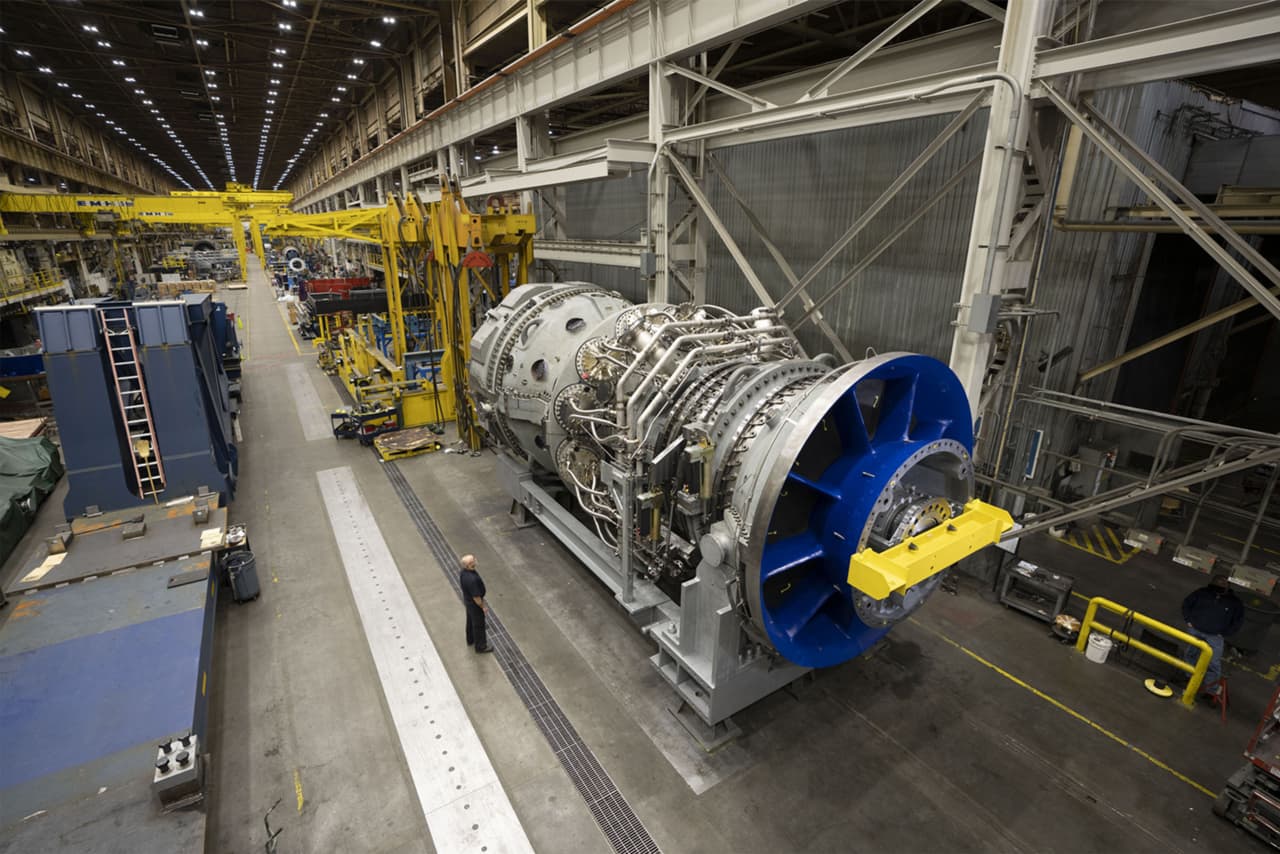
Image via MarketWatch
Musk, SoftBank, and the Real Cost of Loud Claims
MarketWatch notes Elon Musk was “half-right” after posting that SoftBank “defaulted” on a gas-turbine order, with the fuller story emerging in SoftBank’s quarterly disclosure. The point isn’t just who technically breached what; it’s how quickly a single post can shape perception, pressure counterparties, and spin a routine contract dispute into a market-moving narrative.
This is the modern capital markets environment: messaging is leverage. When CEOs freelance in public, investors have to handicap both the underlying business reality and the headline volatility that comes with it. That volatility has a cost, even when it’s entertaining, because counterparties price it into deals and regulators start paying closer attention.
For anyone investing in companies where the founder is also the megaphone, understand you’re not just buying execution. You’re buying temperament, impulse control, and the probability of self-inflicted wounds at exactly the wrong moment.
🥃 Cole's Take: I don’t mind a blunt CEO, but I hate sloppy language when contracts and capital are on the line. “Defaulted” versus “back-pedaled” is the difference between a legal event and a negotiation. As an investor, I treat that gap as risk, and I price it accordingly.
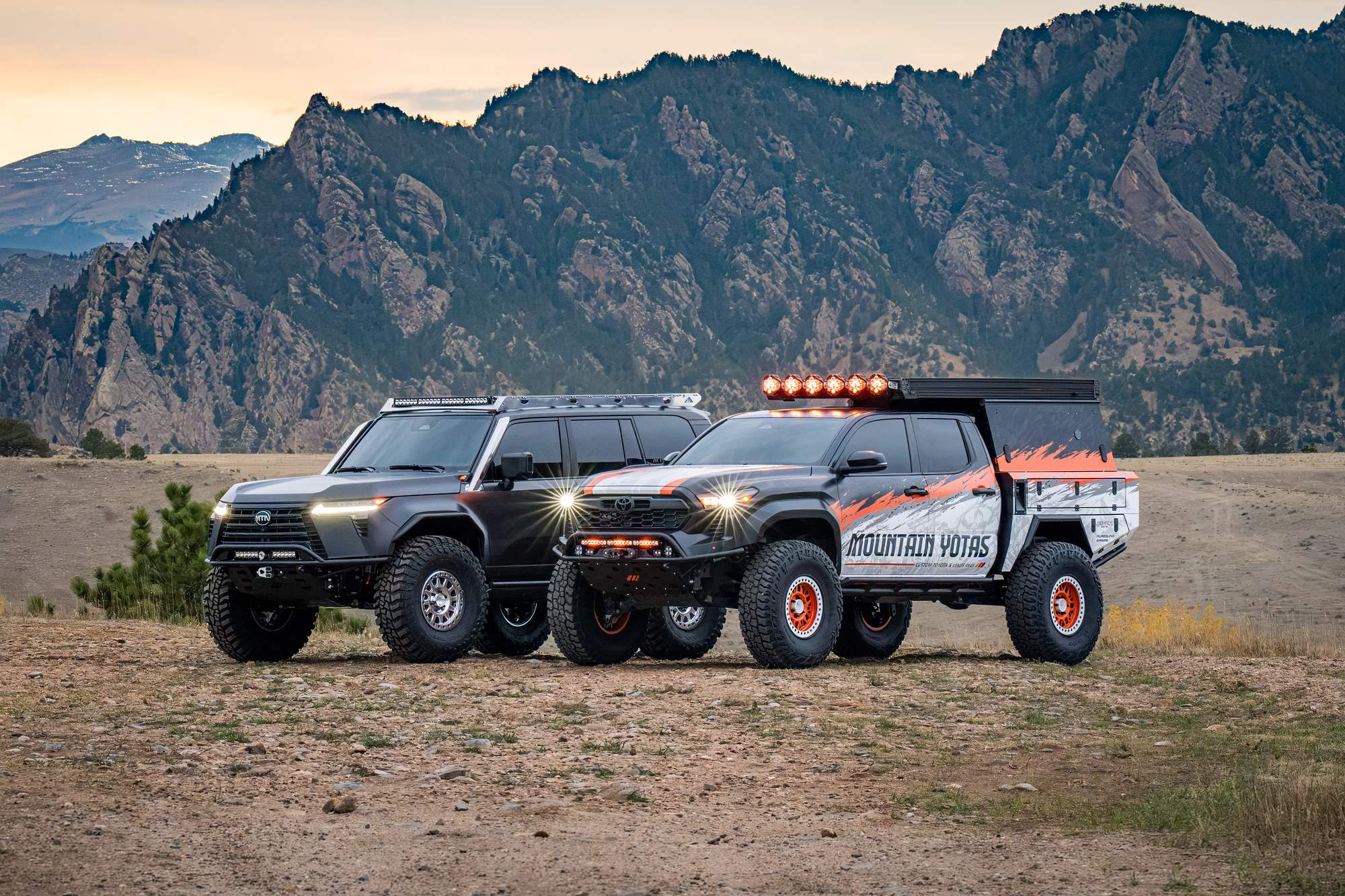
Image via Off-Road Xtreme
Portal Axles, Armor, and Quiet Luxury: Mountain Yotas Builds the New Status Symbol
Off-Road Xtreme spotlights Mountain Yotas and two very different statements on wheels: an armored Lexus GX550 build with portal axles and a luxury interior, plus a 4th-gen Tacoma camper build aimed at doing everything well. These aren’t bolt-ons for a weekend; they’re engineered rigs that blend capability, comfort, and a certain kind of “don’t need to explain it” confidence.
What I like about this trend is that it mirrors where high-earning buyers are going with discretionary spend. Instead of a flashy toy that lives in the garage, the new flex is functional: a vehicle that can handle a washed-out forest road, keep you comfortable for long miles, and still look right pulling up to a decent hotel. In a world that feels noisier, self-contained mobility is a form of luxury.
There’s also a market angle hiding under the mud: high-end overland builds are holding value better than most people think, especially when the work is reputable and the parts list is premium. The best builds behave like niche collectibles, not like disposable mods.
🥃 Cole's Take: If you’re going to spend big on an off-road rig, do it the same way you invest: quality, documentation, and builders with a track record. Portal axles and armor are cool, but resale lives and dies on workmanship and serviceability. Buy the build you’ll actually use, not the one you’ll just photograph.
Outdoor Media Summit Gear Signals a Shift: Lighter, Smarter, More Self-Sufficient
The Dyrt’s roundup of Outdoor Media Summit 2026 highlights the kind of camping gear that keeps pushing in the same direction: lighter kits, smarter power, better sleep systems, and products designed for people who want comfort without dragging half the garage into the woods. The industry is clearly designing for shorter planning cycles and more frequent trips, not just the once-a-year epic.
This is also a quiet read on consumer psychology. When the world feels expensive and unpredictable, people gravitate toward “repeatable escape” purchases: gear that turns any weekend into a reset. That’s why modular systems, durable materials, and clever multi-use designs are winning. Buyers want fewer items that do more, and they want them to last.
The investment takeaway is simple: outdoor isn’t just lifestyle content, it’s a durable category when brands stay disciplined on quality and don’t chase fads. The winners will be the ones that keep returns low, warranties sane, and products honest.
🥃 Cole's Take: I’ll pay for gear that earns its place every trip, and I won’t apologize for wanting comfort in the backcountry. The trick is avoiding gadget clutter: if it doesn’t improve sleep, water, warmth, or power reliability, it’s probably dead weight. Buy less, buy better, and spend the savings on one more long weekend outside.
📎 The Dyrt
Viking 80 Skybridge: The Floating Version of a Blue-Chip Dividend
Yachting Magazine lists a Viking 80 Skybridge called Aussie Rules, outfitted with serious hardware like a Seakeeper 40 gyrostabilizer and Furuno CSH8L sonar. The Skybridge configuration is a coveted setup for owners who want visibility and versatility without giving up the enclosed comfort that makes longer runs enjoyable.
A boat like this sits in an interesting corner of the wealth spectrum. It’s absolutely a depreciating asset on paper, but it’s also a lifestyle machine that compresses time: it turns a normal weekend into something you’ll remember in ten years. For a certain buyer, that utility is real, and it’s worth paying for.
From a markets perspective, high-end brokerage listings like this are also a pulse check. When the top of the market is steady, you see well-optioned boats trade hands; when liquidity tightens, inventory lingers and price cuts start telling the truth. Watching these listings is a surprisingly clean read on confidence.
🥃 Cole's Take: If you’re shopping this class of boat, budget for ownership like an adult: maintenance, crew support if needed, insurance, and downtime are part of the deal. The Seakeeper and quality electronics aren’t “extras,” they’re the difference between using the boat often and letting it become a dock ornament. Buy the right platform, then actually go put hours on it.
Cole Hargrove The Balanced Brief Live Well. Invest Smart. No Apologies.
— Cole Hargrove