Sponsored By:
As copper breaks records, smart money is moving fast — and one under-the-radar Canadian copper stock, still trading below $2, is sitting on a historic Yukon copper belt being explored as a unified system for the very first time. High-grade results are confirmed, multiple rigs are already turning, and the company is fully funded through 2027 for its biggest drill campaign yet.
We've put together a FREE report covering the high-grade results, the district-scale opportunity, and where the 2026–27 drill program goes next — including an exclusive CEO interview. Drill results are coming. Get the full story now, before the next catalyst hits.
Get the Free Report NowBy clicking the link above, you are opting in to receive emails from Resource Stock Digest. You are also agreeing to the terms of our privacy policy. Unsubscribe at any time.

Live Well. Invest Smart. No Apologies.

Image via TheStreet
Microsoft puts names on the backup-app break-in and the bigger lesson is brutal
Microsoft publicly identified the hackers tied to an intrusion path that came through a backup application. That detail matters more than the headline, because backup tools sit in the most privileged corners of a network. When something with broad access gets touched, you don’t just clean up the initial mess, you inherit a long tail of risk.
The uncomfortable part is what lingers after the incident report: hidden persistence, reused credentials, and quiet pathways that stay open long after a company thinks the breach is contained. In plain terms, a business can patch the front door and still have an unlocked side gate because the backup ecosystem often copies everything, everywhere, all at once.
For investors and operators, this is another reminder that cyber isn’t an IT line item, it’s a balance-sheet exposure. The market punishes downtime and regulatory blowback fast, but it punishes “we didn’t know we still had exposure” even faster when the second shoe drops.
🥃 Cole's Take: If you run a business or sit on a board, treat backup and recovery vendors like you treat your bank: assume compromise is possible and verify continuously. The smartest spend in cybersecurity right now isn’t another shiny tool, it’s tightening identity, segmentation, and monitoring around systems that can restore or replicate your entire company. And if a vendor can’t explain their security model in plain English, they don’t get near your data.
Wendy’s pops on Peltz: a 15% move that says more about the cycle than the combo meal
Wendy’s shares jumped after Nelson Peltz’s Trian floated a $1.4 billion offer to buy the chain. The move lands after a rough couple of years for the whole eat-out complex, where traffic has been pressured by households tightening belts and trading down.
This is what late-cycle consumer stress looks like in real life: people still want convenience, but they’re more price-sensitive, more promotional, and less loyal. That squeezes margins and makes a brand’s operational discipline the whole ballgame, not the marketing.
An activist-style bid also shines a light on what’s really being bought: cash flows, real estate strategy, franchising economics, and the chance to simplify decisions when public markets get impatient. When a bid shows up, it’s a signal that someone thinks the current valuation reflects peak pessimism, not reality.
🥃 Cole's Take: I don’t chase a one-day pop, but I pay attention when smart money tries to take a consumer staple-ish name private in a shaky demand environment. If you’re long, use the volatility to define your exit plan and your downside, because deals can drag, re-price, or die. The bigger lesson: in this part of the cycle, quality operators with pricing power survive; everyone else becomes a spreadsheet target.
📎 CNBC
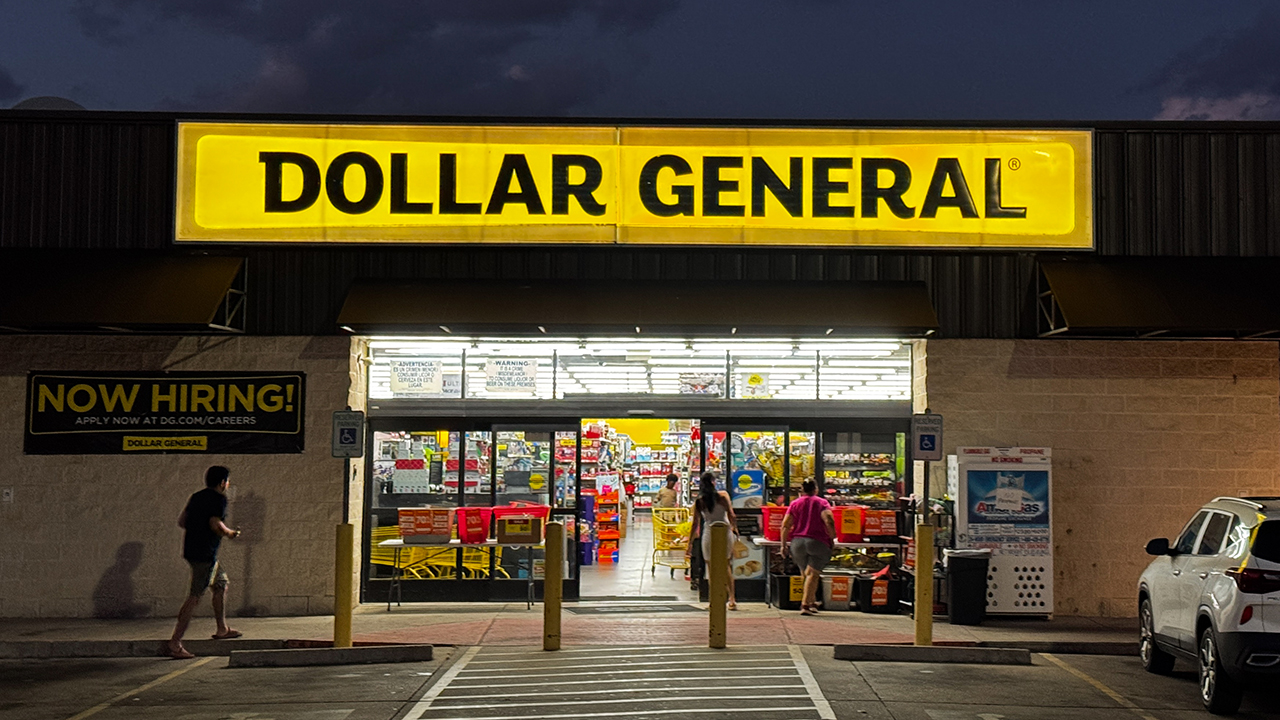
Image via Fox Business
Dollar General gets hit by the FTC and 20 states: pricing trust is now a legal risk
Dollar General is being sued by the FTC and 20 states, accused of overcharging customers through deceptive pricing practices. The allegation is simple and ugly: shelf prices and register prices didn’t match, and the difference added up to millions, disproportionately impacting shoppers who can least afford surprises.
Regulators are signaling that “pricing errors” at scale won’t be treated as harmless operational noise, especially when they recur and appear to benefit the retailer. In a world where consumers are already stressed and looking for someone to blame, this kind of case turns into a reputational tax even before any settlement.
For investors, the risk isn’t just a fine. It’s the potential for mandated process changes, systems upgrades, audits, and a permanent drag on the low-price promise that drives traffic. Once customers believe the tag isn’t the truth, you’ve broken the main psychological contract of discount retail.
🥃 Cole's Take: Discount retail lives and dies on trust, and trust is cheaper to keep than to rebuild. If these claims have legs, the market will start pricing in compliance costs and softer traffic, not just headline risk. I’d rather own operators that win on efficiency and transparency than ones that need a lawyer to explain the receipt.

Image via Backpacker
Havasu Canyon isn’t just waterfalls: the real trip starts when the crowds stop
Most people go to Havasu Canyon to stand in front of those famous blue-green waterfalls, take the photo, and call it done. The thing is, the canyon has a wider world beyond the splash zones: quieter side routes, less-traveled stretches, and the kind of terrain that turns a highlight reel into a real expedition.
When a destination gets famous, it gets simplified. One iconic view becomes the whole story, and the rest of the landscape becomes background noise. But Havasu isn’t a theme park; it’s a living canyon system with depth, history, and pockets of solitude if you’re willing to earn it.
There’s also a practical angle: when everyone compresses into the same corridor, you get bottlenecks, impact, and a worse experience for everyone. Spreading out thoughtfully and respecting access rules isn’t just good ethics, it’s good travel strategy.
🥃 Cole's Take: If you’re going to hike in for something this special, don’t treat it like a drive-by. Plan an extra day, get beyond the obvious stops, and you’ll come home with more than a photo and sore feet. The best luxury is space and silence, and you can’t buy those at the trailhead when the crowd arrives.

Image via Robb Report
An 80-foot catamaran built as a full-time home: this is the next level of freedom spending
A new 80-foot catamaran called Manta is being designed as a true home at sea for a globetrotting family, with an expected splash in 2028. This isn’t weekend yachting, it’s the floating version of buying a ranch: you’re purchasing independence, logistics, and a lifestyle that only works if the systems work.
Big catamarans are having a moment because they offer stability, volume, and range in a way that fits modern long-haul living. But the real story is what high-end buyers are signaling: experiences are winning the allocation war. People who have already done the house upgrades and the club memberships are now buying mobility.
From an economic lens, these projects also reflect confidence in long-term discretionary wealth, even when the news cycle is anxious. The ultra-wealthy are still underwriting multi-year builds, which tells you liquidity at the top remains sturdy despite whatever the broader consumer is feeling.
🥃 Cole's Take: I love the romance of it, but I respect the math: a yacht that’s also a home is a systems business, not a toy. If you’re tempted by this lifestyle, budget for crew, maintenance, and downtime the way you’d budget for taxes and insurance on real property. Freedom is incredible, but only if you’re not surprised by the operating costs.

Image via Car and Driver
Aston Martin Valhalla: the hybrid supercar era gets a British heavyweight
The 2028 Aston Martin Valhalla puts the brand squarely in the modern supercar conversation with hybrid performance, aggressive aero, and the kind of numbers that aim at the usual European benchmarks. It’s Aston leaning into the future without pretending the past didn’t matter.
What’s interesting isn’t just speed or styling, it’s the strategic positioning. Hybridization in this tier isn’t about saving fuel; it’s about torque delivery, packaging, and meeting regulatory realities without killing the experience. The best supercars now are software-and-physics projects as much as they are engine projects.
For the luxury market, halo cars like this function the way flagship phones do: they sell the story, then the rest of the lineup benefits. Even if most people never touch a Valhalla, it signals where the brand is going and how it plans to stay relevant as the performance world electrifies.
🥃 Cole's Take: I’m not sentimental about drivetrains, I’m sentimental about feel, and hybrid can deliver that if it’s done right. The Valhalla looks like Aston admitting that the future is engineering discipline, not just beautiful bodywork and a loud exhaust. If you’re buying one, buy it because you love it, not because you think it’s an “investment” you can flip without risk.
Cole Hargrove The Balanced Brief Live Well. Invest Smart. No Apologies.
— Cole Hargrove