Sponsored By:
While other sectors stall, AI investment is accelerating — showing up in earnings calls, corporate budgets, and real-world deployment. Capital is quietly concentrating around companies with clear demand and long-term relevance, and selective opportunities are forming right now.
A new research brief identifies 2 AI stocks trading under $15 that may be positioned for the next phase of growth — including key developments that could move these names in the months ahead.
Get the Free AI Stocks ReportBy following the link above, you're choosing to opt in to receive insightful updates from Investing Ideas Daily + 2 free bonus subscriptions! Your privacy is important to us. You can unsubscribe anytime. See our privacy policy for details.

Live Well. Invest Smart. No Apologies.
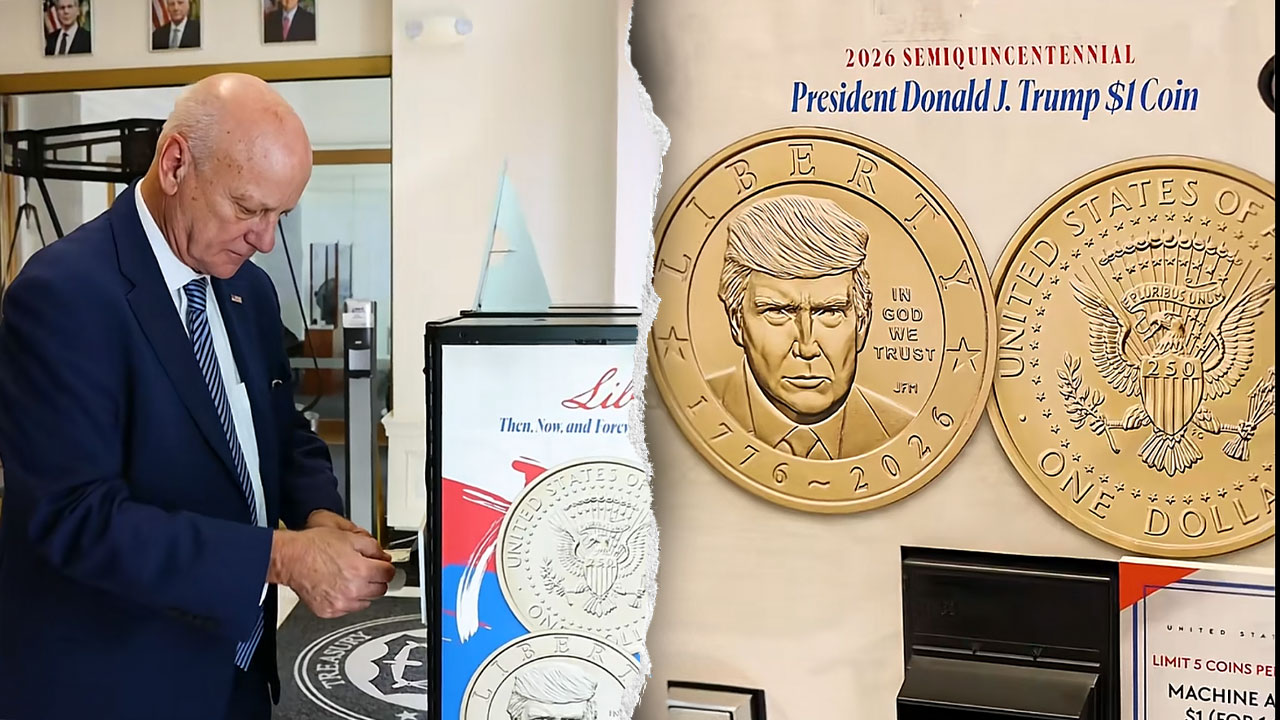
Image via Fox Business
Treasury’s Trump dollar coin goes viral, and markets still don’t care
The Treasury rolled out a new Trump-themed dollar coin and, in a TikTok clip, the U.S. Treasurer urged Americans to spend it at “liberal coffee shops.” It’s politics packaged as a spendable souvenir, designed for social sharing more than monetary utility.
From a money-and-markets standpoint, commemorative coin pushes are mostly noise. They don’t change credit conditions, they don’t fix the deficit math, and they don’t move the yield curve. What they do change is sentiment, headlines, and the temperature of the room, which can matter in an election cycle when investors are already jumpy.
The bigger takeaway is the medium: federal messaging is now built for the TikTok attention economy. That’s not inherently good or bad, but it’s a reminder that narrative is a policy tool now, and narrative can leak into consumer behavior faster than it used to.
🥃 Cole's Take: If you want one, buy it like you’d buy a team jersey: for identity, not returns. For your actual wealth plan, ignore the theatrics and watch the boring stuff: deficits, auction demand, and real rates. The coin is a headline; the bond market is the scoreboard.

Image via MarketWatch
Chip stocks feel the AI hangover as the cash-burn math gets louder
Micron, Nvidia, and the broader chip complex are facing renewed pressure as investors reassess the AI buildout and what it really costs to sustain. The spark this time is fresh chatter around Anthropic’s financial trajectory, feeding a familiar worry: a lot of AI adoption is real, but a lot of AI economics are still ugly.
When the market smells “infrastructure overshoot,” semis take the punch first. GPUs, HBM memory, networking, and foundry capex all live downstream of one question: are the model builders and enterprise buyers generating durable cash flows, or are they living on funding cycles and optimism? If spend plans get trimmed, the air comes out of high-multiple chip names fast, even if the long-term story survives.
This is the part of the cycle where great companies can still be bad trades for a while. Volatility isn’t a sign AI is dead; it’s a sign investors are finally pricing execution risk instead of just dreaming about TAM.
🥃 Cole's Take: I’m not selling the AI future, but I am selling the idea that every quarter deserves a hero multiple. If you own the winners, size them like grown-ups and be ready to add only when the market stops paying infinity for growth. The best chip exposure is the one you can hold through a 25 percent drawdown without losing sleep or making a dumb decision.
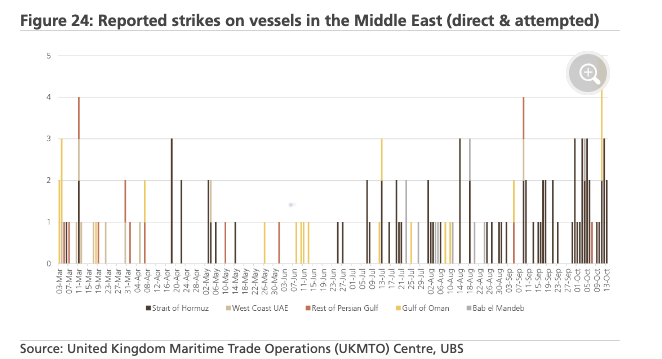
Image via ZeroHedge
Hormuz risk is back in the foreground, and your ‘soft landing’ portfolio needs a hard hat
UBS is warning that an uptick in Iranian drone attacks around the Strait of Hormuz is starting to choke oil flows again. That corridor is the market’s favorite pressure point: narrow geography, global dependence, and a long history of brinkmanship that can turn into a shipping premium overnight.
You don’t need a full shutdown to feel it. Insurance costs rise, rerouting adds time, storage gets bid, and crude volatility filters into everything from airline margins to consumer sentiment. Central banks hate energy shocks because they muddy inflation trends and complicate rate paths, and markets hate them because they arrive fast and resolve slowly.
For investors, the issue isn’t guessing tomorrow’s headline. It’s building a portfolio that doesn’t pretend geopolitics is a rounding error when it’s actually a recurring feature.
🥃 Cole's Take: If your portfolio is built as if oil can’t spike, you’re underinsured. I’m not saying back up the truck on energy, but I am saying hold some exposure that benefits from price volatility and keep duration risk honest. The Strait of Hormuz is a reminder that “transitory” can turn into “expensive” in a hurry.
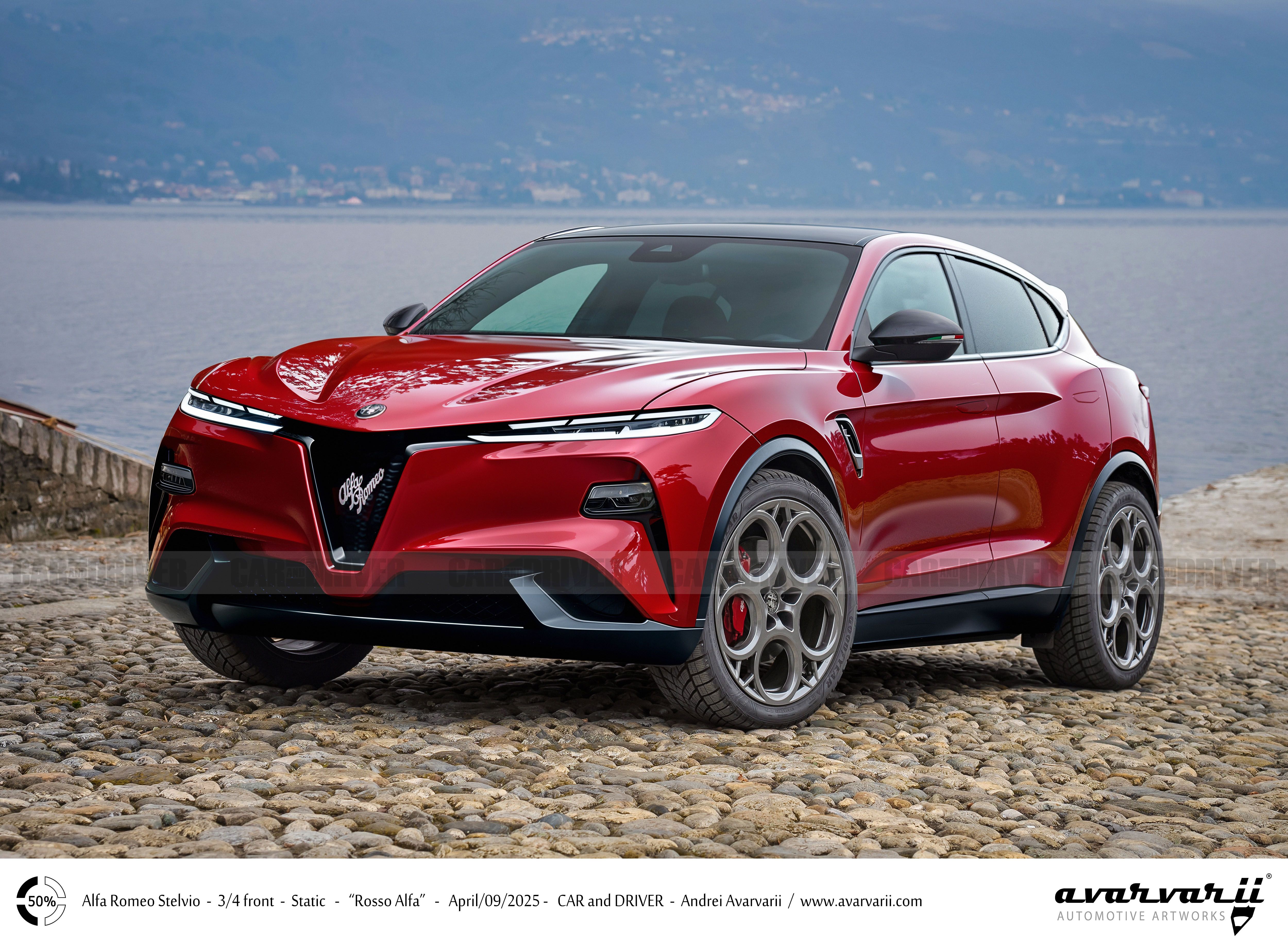
Image via Car and Driver
2028 Alfa Romeo Stelvio: a luxury SUV refresh that’ll test how much charm still sells
Car and Driver’s early look at the 2028 Alfa Romeo Stelvio lays out what we know so far about the next iteration of Alfa’s SUV. The Stelvio has always been a driver’s choice in a segment full of competent appliances, and the new model will likely lean harder into updated tech, efficiency, and the modern expectations buyers now bring to anything wearing a premium badge.
The luxury SUV market is still the cash machine, but it’s also crowded, fickle, and increasingly defined by software, driver assistance, and electrification choices. Alfa’s challenge is the same as it’s always been: deliver the romance and steering feel, but match the reliability, infotainment polish, and ownership experience that German and Korean competitors have trained consumers to expect.
If the 2028 Stelvio lands with real quality improvements, it won’t just move units. It’ll signal whether legacy performance brands can keep their soul while playing in a world where “user experience” matters as much as horsepower.
🥃 Cole's Take: I love anything that makes an on-ramp feel like a little vacation, but I buy vehicles the way I buy stocks: I want upside without constant drama. Alfa has to prove the next Stelvio is more than a pretty suit with a temper. If they nail the ownership experience, it could be the rare luxury SUV that still feels like a decision, not a default.

Image via Robb Report
PerfectSwell’s controlled surf is the new waterfront flex, and it’s not just about waves
Robb Report spotlights PerfectSwell and the idea of a new kind of waterfront: engineered surf that delivers consistent, customizable waves. It’s the obvious hook for surfers, but the real product is reliability: predictable conditions, on-demand sessions, and a resort-friendly experience that doesn’t depend on tides, wind, or luck.
This is where lifestyle and capital markets shake hands. Controlled-environment recreation is part entertainment, part real estate driver, and part membership economy. If it’s integrated well, it turns a destination into a repeatable, year-round revenue machine rather than a seasonal bet.
For anyone who’s watched golf evolve into destination clubs, simulators, and high-end hospitality, this feels familiar. The experience is the asset, and scarcity is manufactured through access, design, and pricing rather than geography.
🥃 Cole's Take: I’m bullish on experiences that remove friction for high-income buyers with limited time. But the economics have to work beyond the grand opening: maintenance, energy use, water management, and local permitting can make or break the IRR. If they can scale without turning it into a theme-park gimmick, controlled surf is a legitimate next chapter in luxury travel.

Image via The Whiskey Wash
Buffalo Trace, Warehouse C, and the tornado that minted a modern unicorn bottle
The Whiskey Wash revisits one of bourbon’s great collector legends: a tornado that ripped the roof off Buffalo Trace’s Warehouse C and helped create a bottle that went from a roughly $70 buy to a four-figure trophy on the secondary market. Weather, aging conditions, evaporation, and barrel placement already make whiskey a game of probabilities; a freak event just added a mythic chapter.
Collectors love a story, and the bourbon market runs on narrative almost as much as liquid. A bottle becomes “the one” when scarcity meets provenance, and provenance gets supercharged when it’s tied to a one-time event you can retell over a pour. That’s how regular-release turns into folklore.
It’s also a clean lesson in alternative assets: uniqueness can create value fast, but it can also fade when attention shifts. The drink is real, but the premium is often paid for bragging rights and a story you’re buying the right to tell.
🥃 Cole's Take: If you want it, buy it to open it, not to fund your retirement. The best whiskey is the one you share with the right people, not the one that makes you anxious every time you touch the cork. Treat unicorn bottles like a luxury indulgence, and keep your serious money in assets that don’t evaporate.
I’ll be watching oil shipping premiums, chip guidance, and any real cracks in AI capex plans. Tonight, it’s a slow cook on the smoker and a small pour of something honest. Live well. Invest smart. No apologies.
— Cole Hargrove