It's not gas, groceries, or Medicare premiums. The fastest-rising cost quietly draining American retirees is housing — and Social Security's COLA isn't keeping up. The 2027 adjustment is projected at just 3.9% ($81/month), while rent, property taxes, insurance, and maintenance have surged by hundreds in just two years. Even if your home is paid off, you're still getting squeezed. The Senior Citizens League confirms it: every dollar of Social Security today is worth only 86.3 cents compared to 2016.
Central banks have already responded — buying one specific asset at the fastest pace in 50 years, with JP Morgan forecasting it hits $8,000. Disciplined retirees are making the same move now to protect what they've saved. You're making a decision today whether you realize it or not. Don't leave it to chance.
Get the Free Wealth Preservation GuideThis is an advertisement. If you no longer wish to receive our promotions, please unsubscribe here. Or write to: 5005 Lyndon B. Johnson Fwy. Suite 350, Dallas, TX 75244.

Live Well. Invest Smart. No Apologies.
Image via RealClearMarkets
Congress Spends $7 Trillion: The Part Everyone Pretends Not to See
If you’ve ever wondered why Washington can argue for weeks about a program that costs a few billion while the real money rolls by on autopilot, this is your reminder. Break federal spending into $100 chunks and most of those dollars aren’t discretionary at all. They’re locked into Social Security, Medicare, Medicaid, and interest on the debt.
That last one matters more than it used to. When rates were pinned to the floor, debt service was an annoyance. With higher-for-longer financing costs, it becomes a budget line that crowds out everything else, including the stuff politicians actually campaign on. The uncomfortable truth is that “cutting waste” doesn’t close a gap this size; math does.
For investors, this isn’t a partisan story. It’s a cash-flow story. Big entitlement spending plus big interest costs means persistent Treasury issuance, political pressure around taxes, and periodic market stress whenever Washington tries to pretend it can keep doing the same thing without consequence.
🥃 Cole's Take: You don’t have to be a deficit hawk to respect the gravity of fixed costs. When most of the budget is effectively mandatory, the government’s flexibility disappears right when the economy needs it. I keep duration risk tight, I treat surprise inflation as a real possibility (not a headline), and I own quality cash-flow businesses that can live through policy noise.
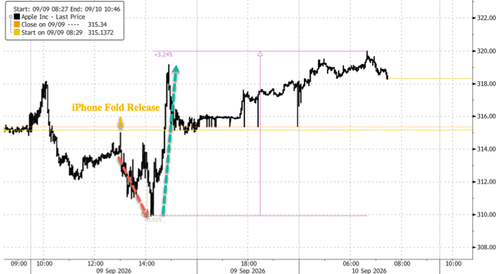
Image via ZeroHedge
Apple’s Foldable iPhone Is a Flex, but Margins Pay the Price
Apple finally pulled the curtain back on a foldable iPhone, and the reaction on Wall Street is the kind you get when a brand makes a bold move that’s hard to model. Foldables are sexy, sure, but they’re also complex: more parts, tighter tolerances, higher warranty risk, and a supply chain that doesn’t forgive mistakes.
The bigger question isn’t whether Apple can ship a foldable. It’s whether Apple can ship it at Apple margins while keeping the rest of the lineup from getting cannibalized. A foldable that becomes the new “premium tier” could lift average selling prices, but it also risks compressing gross margin if yields, repairs, or component costs come in hot.
This is also a timing story. If consumers are already stretching for upgrades, Apple needs the product to feel like a must-have, not a science project. And if the launch clouds margins, the stock’s valuation doesn’t give you much cushion for a couple of messy quarters.
🥃 Cole's Take: I don’t bet against Apple’s execution, but I also don’t pay luxury multiples for uncertainty I can’t handicap. If foldables are a real category shift, Apple wins eventually, but the first year can be a margin hangover. I’d rather buy AAPL on a launch stumble than chase it on day-one hype.
Image via TheStreet
BofA Sees $163 Billion of Forced Selling Risk: Translation, the Market’s “Air Pocket” Problem
Bank of America is flagging a potential $163 billion overhang tied to forced selling, and it’s worth understanding what that actually means. This isn’t someone “changing their mind” about stocks. Forced selling is mechanical: risk models flip, vol spikes, and systematic strategies reduce exposure whether they like the price or not.
When multiple models converge on the same signal, you get a setup where liquidity matters more than narrative. Markets can drop faster than fundamentals deteriorate, simply because the marginal seller isn’t discretionary. That’s how you wake up to a down 2% open on nothing more than a macro print, a bond move, or a sudden volatility jump.
This kind of risk doesn’t mean you sprint to cash. It means you respect positioning. If everyone is leaning the same way, the unwind is rarely polite, and it tends to punish the most crowded “safe” trades first.
🥃 Cole's Take: I treat forced-selling risk like weather on a long hike: you don’t cancel the trip, you pack differently. Keep some dry powder, size your “can’t lose” trades smaller than your ego wants, and avoid leverage you can’t unwind quickly. If the air pocket shows up, I want to be a buyer of quality, not a forced seller of anything.
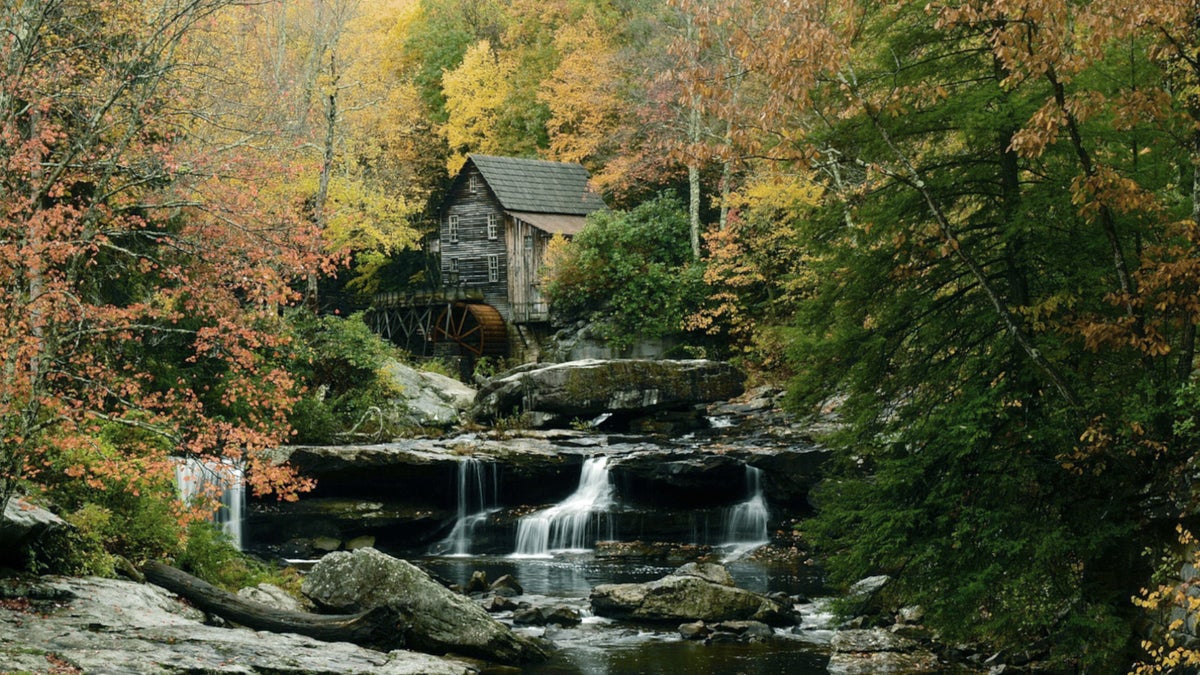
Image via Backpacker
West Virginia’s New Waterfall Trail Is the Kind of Investment That Pays You Back
West Virginia is rolling out a statewide “Waterfall Trail,” and this is exactly the kind of outdoor infrastructure that turns a good weekend into a repeat habit. The concept is simple: connect and spotlight standout cascades across the state so visitors can string them together like a greatest-hits album, not a scavenger hunt.
Backpacker highlights five of the best stops, and the appeal here isn’t just pretty water. It’s accessibility, variety, and that Appalachian feeling that the map still has corners worth exploring. You can build a trip that’s family-friendly or make it a more rugged loop with early starts, wet boots, and the kind of tired that makes dinner taste better.
If you’re the guy who’s been “meaning to get outdoors more,” this is a clean excuse. Go shoulder season, beat the crowds, and let the place remind you what your money is for.
🥃 Cole's Take: I like West Virginia because it delivers real scenery without the Instagram tax. If you want a trip that feels rich without costing rich, this is it: trails, small towns, and miles that clear your head. Book a couple nights, pack rain gear, and don’t over-plan it; waterfalls are better when you stumble into them.
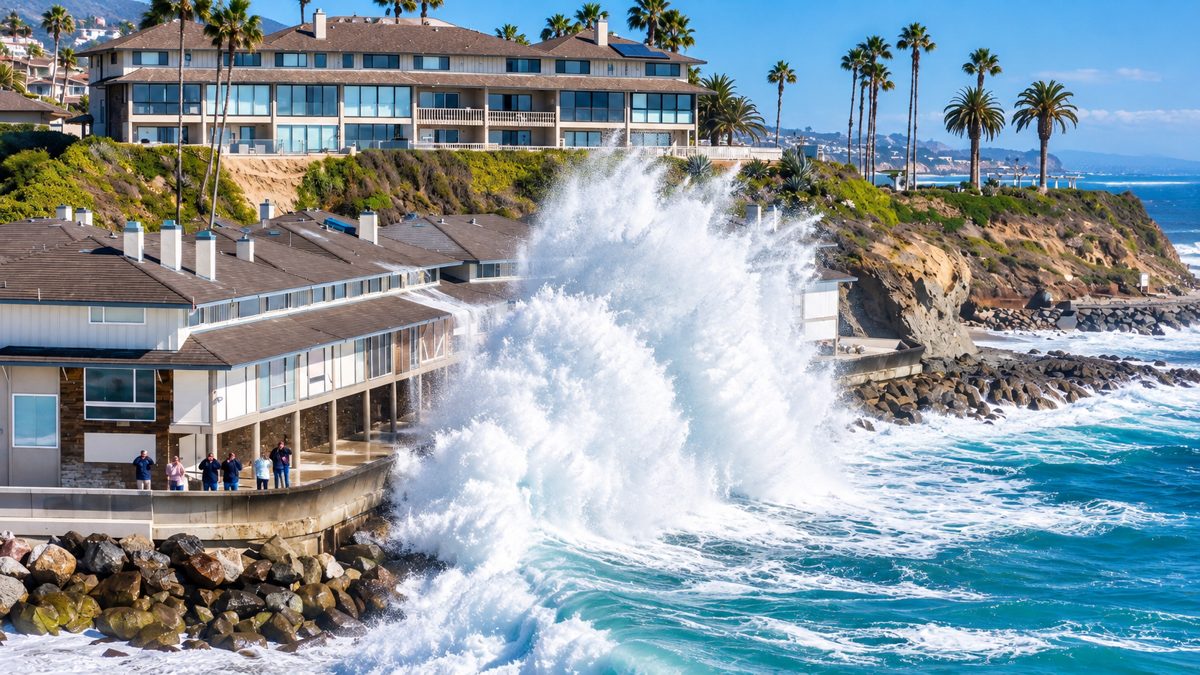
Image via Surfer
Hurricane Marie’s SoCal Swell: Nature Doesn’t Care What Your Zestimate Says
A 10-foot swell from Hurricane Marie hammered Southern California beaches, ripping sand out from under the coastline and slamming into luxury homes with million-dollar views. The video is the kind that makes you say “that’s beautiful” and “that’s terrifying” in the same breath.
This is the part of coastal living that never makes it into the listing photos: erosion, undermined foundations, emergency berms, and the slow realization that the shoreline is not a fixed asset. You can insure structures, but insuring geography is a different game, and it’s getting harder as insurers reprice risk or exit markets entirely.
For anyone holding beachfront property, this isn’t just a weather clip. It’s a stress test for your balance sheet, your coverage, and your timeline. The ocean plays long ball.
🥃 Cole's Take: If your net worth leans heavily on one coastal property, you’re not diversified, you’re concentrated. I love ocean views as much as anyone, but I want my lifestyle assets sized so a bad decade of storms doesn’t become a bad decade of finances. Pay for the right insurance if you can get it, assume premiums rise, and keep your liquid reserves higher than you think you need.
📎 Surfer

Image via GOLF.com
Tiger’s Crowd Trick: A Masterclass in Using Pressure Instead of Fighting It
On GOLF’s Subpar podcast, PGA Tour veteran Brendon de Jonge talked about a “sneaky” way Tiger Woods used massive galleries to his advantage. When the crowds are thick, everything changes: sightlines, sound, pace, and the mental temperature of the round.
Most players experience big crowds as added noise. Tiger treated them like a tool. A well-timed surge of energy, a walk that feels like a march, a moment that turns the volume up right when your opponent wants quiet. It’s not gamesmanship in the cheap sense; it’s understanding that performance isn’t just mechanics, it’s environment.
It’s also a reminder that greatness is often logistical. The public sees the shot. Pros see the setup: timing, rhythm, and how to make the moment feel heavier for everyone else.
🥃 Cole's Take: Tiger’s real edge was never just the swing; it was control of the room. In markets, the “crowd” is sentiment, headlines, and your own adrenaline, and the winners learn to use it, not fear it. When everyone’s loud, I slow down, stick to process, and wait for the easy shot.
📎 GOLF.com
Cole Hargrove The Balanced Brief Live Well. Invest Smart. No Apologies.
— Cole Hargrove