You don't need to chase hundreds of tickers — you just need to spot the right signal. The team at Trading Ideas cuts through the noise and zeroes in on repeating patterns that show up before strong market moves.
One of those signals just fired on a company most investors aren't watching. The setup, the data, and the timing window are all inside their latest alert — and it won't be relevant for long.
See the Report & Company Name*We encourage readers to perform their own research and due diligence on any information we provide. By clicking the link you will automatically be subscribed to the Trading Ideas Newsletter.

Live Well. Invest Smart. No Apologies.

Image via Bloomberg
Quantinuum Wants $1.05B: Quantum’s Next Big IPO Test
Quantinuum — the Honeywell-backed quantum computing outfit — is heading for a US IPO aiming to raise $1.05 billion. That’s not “file-and-hope” money. That’s “we think the window’s open and we’re ready to price ambition” money, and it’s coming at a time when investors are starving for the next platform-level story beyond AI infrastructure.
Quantum is still a long-duration bet: incredible math, real breakthroughs, and an uncomfortable gap between what’s possible in labs and what businesses can deploy at scale. But the market’s been rewarding “deep tech” again, especially anything adjacent to national security, advanced materials, optimization, and next-gen compute. Quantinuum’s pitch is basically: when today’s compute hits the wall, we’re the ladder.
🥃 Cole's Take: This IPO will be a referendum on whether public markets will fund “post-AI” narratives without near-term cash-flow proof. If the book is strong, it lights a path for more frontier-tech deals; if it stumbles, quantum goes back in the penalty box for a year. I’d watch valuation discipline like a hawk—quantum is real, but hype premiums can be lethal when rates twitch.
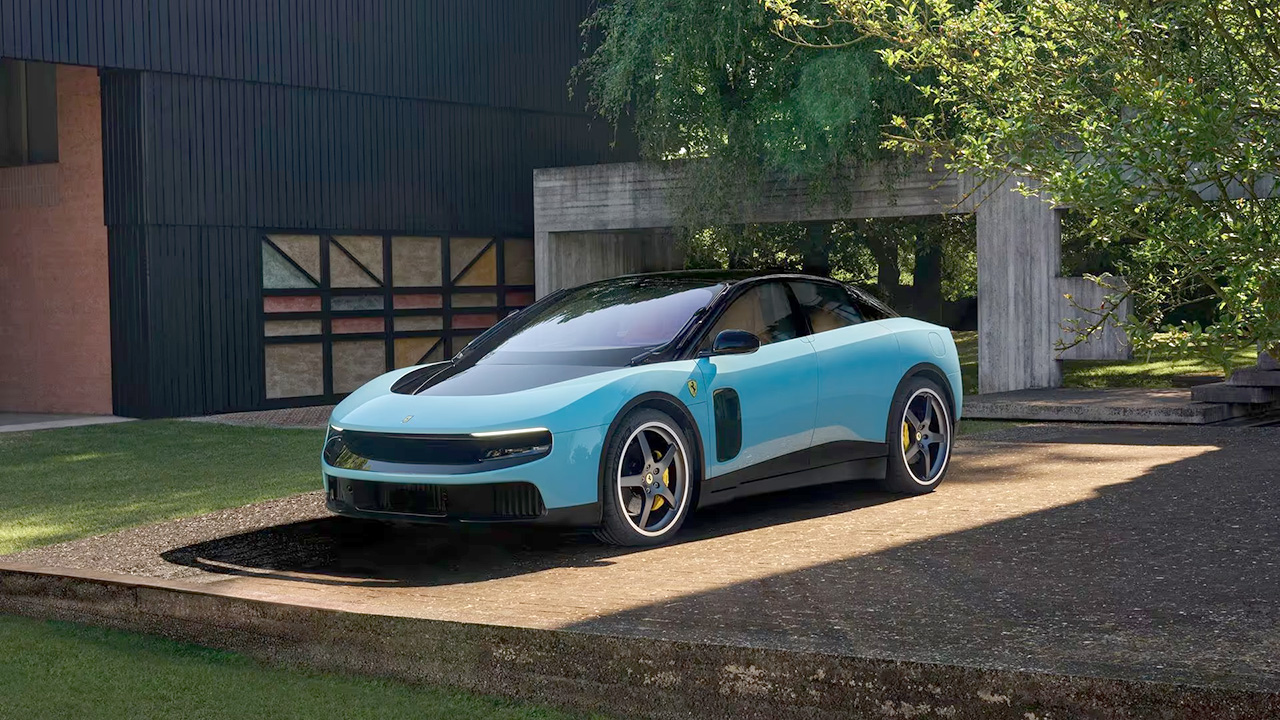
Image via Fox Business
Ferrari Goes Fully Electric — and Charges Like It’s Still Ferrari
Ferrari finally pulled the cover off its first fully electric car, the Luce, and the reported starting price is a cool $640,000. That number isn’t a mistake — it’s a statement. Ferrari isn’t entering the EV era to compete with anyone on specs-per-dollar; they’re doing it to protect the brand, control scarcity, and keep margins fat.
What matters here isn’t whether an electric Ferrari “feels” like a Ferrari (though that’s the emotional make-or-break). It’s what luxury is becoming: less about the drivetrain, more about design, performance theater, personalization, and status. EV tech is increasingly accessible; Ferrari’s job is to make it unavailable unless you’re in the club.
🥃 Cole's Take: If you’re looking at this like a car story, you’ll miss it. This is pricing power on wheels — the same lesson investors keep relearning across high-end consumer names. Ferrari’s real product isn’t propulsion; it’s controlled desire, and $640K is the admission fee.
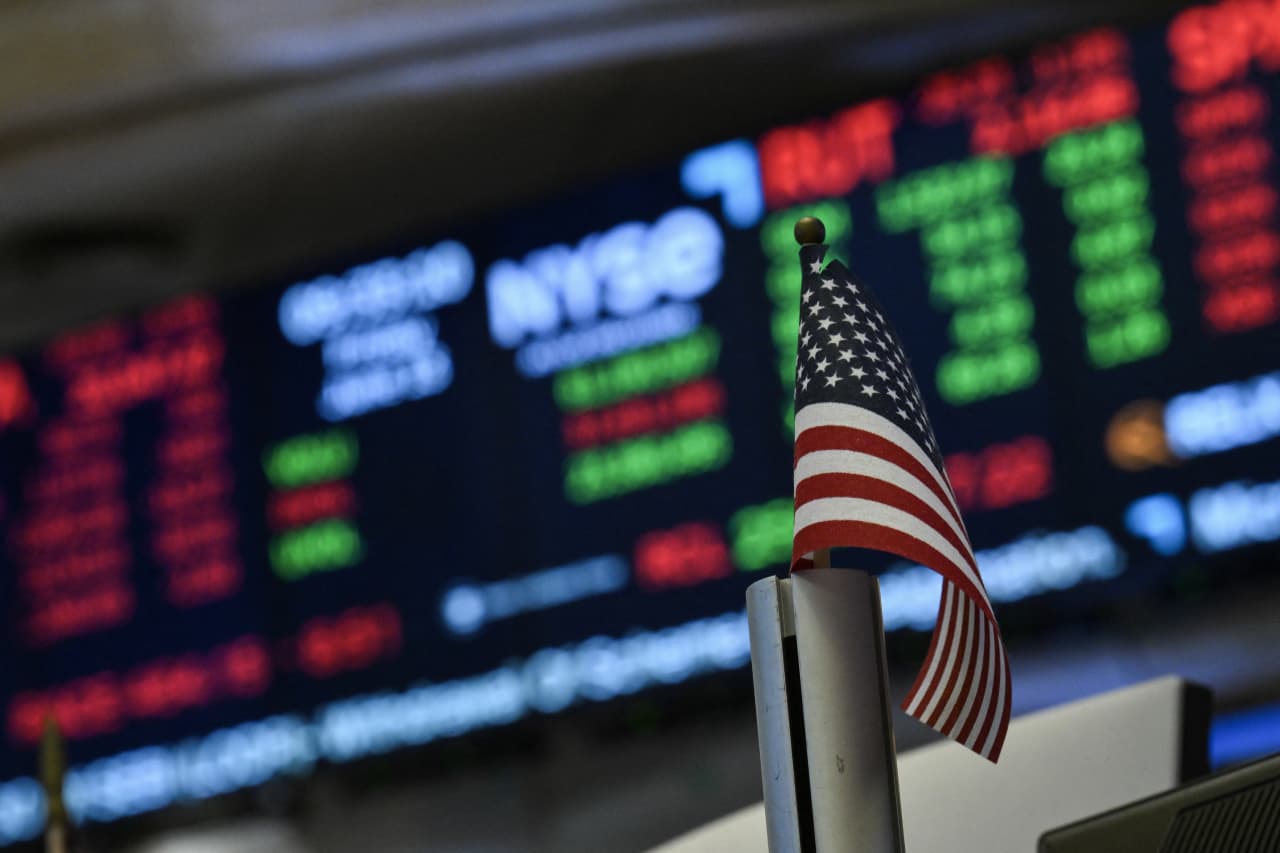
Image via MarketWatch
Inflation Is Still the Market’s Steering Wheel (Not Growth)
MarketWatch highlights a point strategists keep hammering: inflation, not growth, is what really matters for stocks—especially after the last decade’s regime changes. Strong growth can be a gift, but if it re-accelerates inflation, the market starts doing math on discount rates, margins, and policy—fast.
The past ten years have trained investors to chase revenue stories and ignore the cost of capital. That muscle memory gets punished when inflation is sticky, because it changes everything: bond yields, equity multiples, wage pressures, and how much “future earnings” are worth today. When inflation is calm, markets can daydream. When it’s not, markets get clinical.
🥃 Cole's Take: Growth is the engine, but inflation is the road conditions. You can have a powerful car and still slide off the mountain if the surface turns to ice. If you’re allocating serious money in 2026, you don’t just watch CPI headlines—you watch expectations, wage trends, and what the bond market is pricing before the Fed finishes its sentence.

Image via Robb Report
Burgundy Got Expensive? Alto Adige Pinot Noir Is the Sneaky Upgrade
Robb Report is calling out what wine buyers already feel in their bones: red Burgundy can deliver transcendence—and also sticker shock. The alternative they’re pointing to is Alto Adige, a northern Italian region quietly producing excellent Pinot Noir that scratches a similar itch: elegance, acidity, lift, and that “dinner runs long” drinkability.
Alto Adige has the geography to play this game—altitude, temperature swings, and a culture that takes precision seriously. You’re not just buying cheaper Pinot; you’re buying a region that’s getting better while the market’s attention is stuck somewhere else. That’s usually where value hides.
🥃 Cole's Take: This is the same principle I use in markets: when the flagship trade gets crowded and overpriced, you hunt the high-quality neighbor. Alto Adige Pinot is a smart cellar move right now—impresses the table, saves the wallet, and lets you drink well without paying for someone else’s nostalgia premium.
A 400-Acre San Diego Resort That Feels Like You Found It First
Travel + Leisure spotlights a 400-acre resort in San Diego that checks a rare set of boxes: four pools, horses, and a revamped spa—the kind of place that can satisfy both the “sit still and recover” crowd and the “give me something to do” crowd. Properties like this win because they’re not trying to be a scene; they’re trying to be a sanctuary.
In a world where premium travel has gotten louder and more performative, the quiet flex is space—room to breathe, ride, soak, and actually come home better than you left. The four-pool detail isn’t trivia; it signals a resort built to distribute people, reduce friction, and keep the experience feeling un-crowded even when occupancy is strong.
🥃 Cole's Take: If you’ve been running hard—markets, business, life—this is the kind of trip that pays dividends. Book the place that gives you options: movement, recovery, and privacy. The best luxury isn’t marble; it’s not being rushed and not being crowded.
AI-Designed Golf Courses? The Future Might Be Useful—and Still Soulless
Golf Digest digs into an uneasy question: could AI start designing golf courses, and what do architects think about it? On paper, AI can optimize routing, drainage, earthmoving costs, pace of play, and safety lines—things that matter to owners and municipalities. The “uncertain future” is whether optimization starts replacing artistry.
A great course isn’t just efficient. It’s emotional. It’s restraint in the right places and temptation in the wrong ones. It’s the way a green falls away when your legs are tired on 16, and how the wind turns a simple par-4 into a negotiation. AI can model shots, but can it model regret?
🥃 Cole's Take: AI will be a tool in golf architecture the same way it’s becoming a tool everywhere else: amazing for constraints and cost control, dangerous when it becomes the decision-maker. If the budget guys let the algorithm run the show, we’ll get “perfect” courses that nobody remembers. Give me a human architect with scars—and let AI do the drainage plan.
Cole Hargrove — The Balanced Brief. Live well, invest smart, no apologies.
— Cole Hargrove