Policy is already moving markets in 2026 — trade enforcement, regulatory shifts, and tax positioning are redirecting capital right now. Institutions reposition before the headlines catch up, and the window to act early is closing fast.
Our analysts identified 5 stocks showing real momentum tied directly to current administration policy themes — including the sectors benefiting most from domestic investment trends and regulatory tailwinds. Don't get left behind.
Get the Free Report Now(By following any of the links above, you're choosing to opt in to receive insightful updates from The Investment News Daily + 2 free bonus subscriptions! Your privacy is important to us. You can unsubscribe anytime. See our privacy policy for details.)

Europe wants more trade partners fast, but its supply chains still lean hard on China—plus energy valuation debates, an auto mega-turnaround, waterfall hikes, golf viewing, and the electric pickup arms race.

Image via Bloomberg
EU Goes Shopping for Friends — But Can’t Quit China Yet
EU trade ministers met in Brussels today with a familiar problem on the table: Europe wants more trade partners, faster, while its supply chains still lean hard on China. Bloomberg reports the bloc is moving ahead on a deal with Mexico, part of a broader push to diversify trade and reduce single-country exposure.
This isn’t just about goods; it’s about leverage. Europe’s been trying to thread a needle—keep export access and import affordability, while also “de-risking” strategic inputs (think batteries, solar components, rare earths, and industrial intermediates) that have become geopolitical tripwires.
🥃 Cole's Take: Europe’s diversification push is real, but it’s slow and politically messy—meaning markets will keep pricing “China risk” into European industrials longer than Brussels wants. If you own EU manufacturers, assume intermittent margin pressure from supply chain re-routing and compliance costs. The winners will be the boring companies with multi-sourcing already built in—procurement discipline is the new competitive moat.
Vermilion Energy: Still Cheap After a Double — But the Easy Money’s Gone
Seeking Alpha flags Vermilion Energy as “undervalued even after a 100% rally,” while also downgrading the rating—translation: the valuation may still look attractive on paper, but the risk/reward isn’t as clean after the run. Vermilion’s story has been a classic energy trade: cash flow improves fast when commodity pricing cooperates, and sentiment shifts even faster when balance sheets stabilize.
The problem is energy stocks don’t get to live in spreadsheets. They live in headlines—oil volatility, windfall tax chatter, FX swings, decline curves, and capex discipline (or the lack of it). After a 100% move, the market starts demanding execution, not just optionality.
🥃 Cole's Take: I like value, but I like asymmetry more—and after a big rally, you’ve usually spent your asymmetry. If you’re already in, this is where you tighten your rules: take some off, let the rest ride with a hard stop, and don’t confuse a low multiple with low risk. New money should be picky—energy is a great place to get paid, and an even better place to get humbled.

Image via Fox Business
Stellantis Throws $70B at a Comeback — 60 New Models, Plenty of Ways to Slip
Stellantis just rolled out a $70 billion turnaround strategy with plans for 60 new models, tighter focus on core brands, partnerships, and better factory utilization. On paper, it’s bold: refresh the lineup, streamline capacity, and use external partners where it speeds product cycles or lowers cost.
But 60 models is a lot of plates spinning at once—engineering bandwidth, supply chain coordination, software integration, dealer execution, and consumer demand that’s increasingly split between “give me affordable” and “give me premium tech.” Automakers aren’t just building cars anymore; they’re building rolling operating systems with warranties attached.
🥃 Cole's Take: Turnarounds in autos rarely fail because of vision—they fail because of complexity. Stellantis is basically saying, “We’re going to out-execute the world,” and that’s a high-wire act in a high-rate environment with price-sensitive buyers. If I’m investing here, I want proof on margins and quality metrics before I buy the sizzle.

Image via Backpacker
50 Waterfall Hikes — The Best Kind of “Portfolio Diversification”
Backpacker tracked down the 50 best waterfall hikes in America—one in every state. It’s the kind of list that reminds you the best trips aren’t always the ones that require airfare and a complicated spreadsheet. Sometimes it’s a two-hour drive, a packed lunch, and the sound of water doing what it’s done for a million years.
Waterfall hikes are also sneaky-good training grounds: uneven terrain, wet rock, quick weather changes, and enough elevation change to humble you if you’ve been living too long in an office chair (or behind a Bloomberg terminal). Pick the right one and it’s recovery for the mind without beating up the joints.
🥃 Cole's Take: Here’s my bias: spend money on gear that keeps you out there longer (good boots, good rain shell), not on “status” outdoors. A waterfall hike is the antidote to doomscrolling markets—same dopamine hit, better ROI. And yes, I keep a short list of these trips the way I keep a watchlist of stocks.

Image via GOLF.com
CJ Cup Byron Nelson: Friday Viewing Plans for Round 2
Golf.com laid out exactly how to watch Friday’s Round 2 of the 2026 CJ Cup Byron Nelson—TV coverage and streaming details. The Byron Nelson is one of those tournaments that can sneak up on you, then suddenly you’re three hours deep, analyzing swing tempo like it’s monetary policy.
Friday coverage is where the tournament really takes shape: guys grinding to make the cut, contenders separating on approach play, and the first real signal on whose game travels under pressure. If you’re betting, trading fantasy lineups, or just trying to enjoy the weekend, Friday tells you a lot.
🥃 Cole's Take: My rule: watch Friday like an investor, not a fan—look for repeatable traits (ball-striking, course management), not highlight-reel miracles. The guy who scrambles his way into contention on Friday usually runs out of luck by Sunday. And if your own game’s a mess, put the remote down and go hit 40 wedges—markets reward boring reps, and golf does too.
📎 GOLF.com
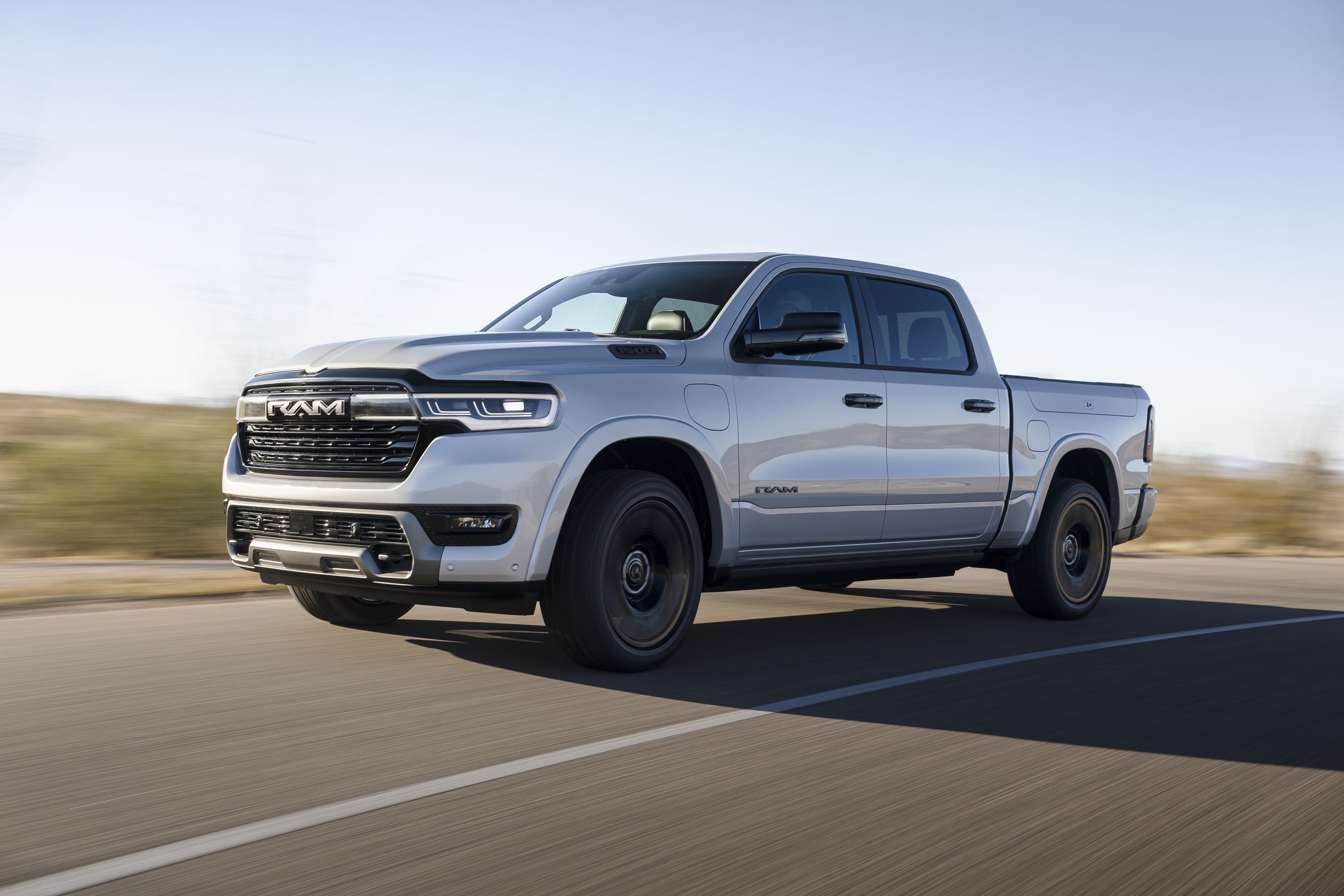
Image via Car and Driver
2027 Ram 1500 REV: The Electric Truck Arms Race Gets Real
Car and Driver’s early look at the 2027 Ram 1500 REV lays out what we know so far—another major entry in the electric pickup fight. The segment is shaping up like a capital-intensive land grab: big batteries, big promises, and buyers who still care about towing, range under load, and real-world durability more than marketing.
Electric trucks are also a supply-chain story wearing a lifestyle hat. Battery costs, charging infrastructure, thermal management, and software reliability are the real battlefields. The winners won’t just sell trucks; they’ll sell confidence—especially to people who actually use a truck like a truck.
🥃 Cole's Take: I’ll believe in electric pickups at scale when range while towing stops being a “fine print” conversation. Ram has a chance here if they nail usability and pricing, not just specs. From an investor lens, watch who controls battery supply and software updates—those are the new powertrains.
Live well. Invest smart. No apologies.
— Cole Hargrove