Three under-the-radar small-cap stocks are showing early signs of unusual market activity. Our research team has identified emerging changes in volume patterns and momentum that typically precede broader market attention.
These lightly covered companies are just starting to appear on institutional watchlists. Get our complete analysis covering where the activity is happening, what's driving participation, and our criteria for tracking these emerging setups — releasing in the next 24-48 hours.
Get the Free Research UpdateThis material is shared strictly for educational and informational purposes. We encourage readers to perform their own research and due diligence. By clicking the link you will automatically be subscribed to the Stock News Trends Newsletter. Privacy Policy

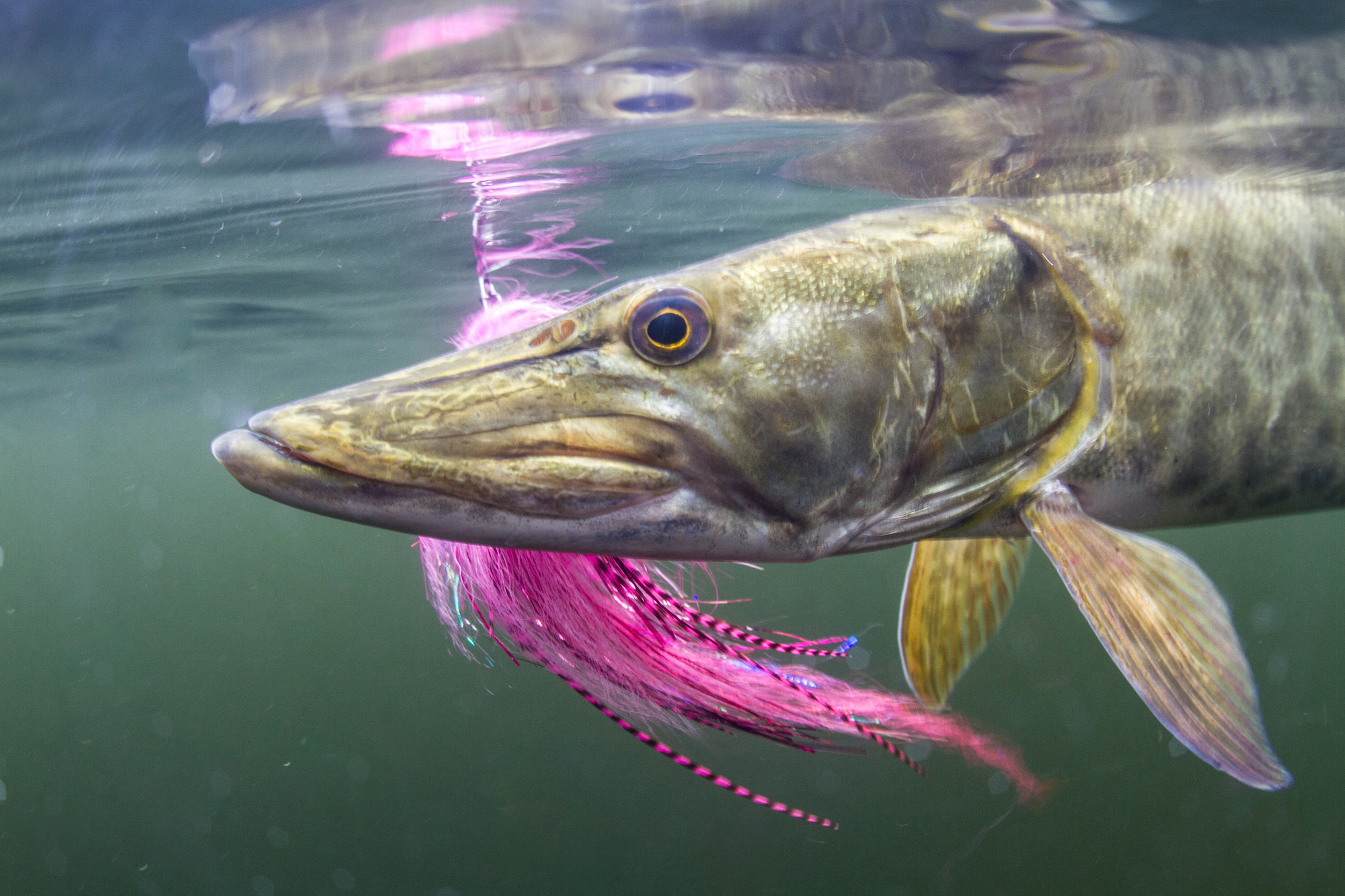
Image via Outdoor Life
Researchers Finally Explain Why Muskies Humble Even Good Anglers
Thirty-five straight days of muskie fishing in a controlled setting sounds like purgatory to some folks—and heaven to the rest of us. Researchers at the University of Illinois did exactly that, and what they found lines up with every brutal, soul-building day I’ve ever spent throwing big rubber and bucktails for “the fish of 10,000 casts.”
The short version: muskies aren’t just “rare.” They’re selective, situational, and tuned to subtle cues that most anglers can’t consistently replicate—especially once pressure mounts. In a controlled environment you can start stripping away the excuses (weather, boat traffic, “they weren’t home”) and you’re left with the uncomfortable truth: these fish often decide *not* to eat, even when they can.
✍ My Take: Muskie fishing is the golf of freshwater—your gear matters, your swing matters, but the mental game is the whole sport. The takeaway isn’t “buy more lures.” It’s “fish slower when you want to fish faster,” and commit to repeatable presentations instead of hero casts.
7 Underrated National Park Campgrounds (Because the A-List Is a Blood Sport Now)
If you’ve ever tried to book Yosemite, Zion, or Glacier in peak season, you know the modern version of camping is basically day trading with a tent. Refresh. Refresh. Gone. The Dyrt’s list of underrated national park campgrounds is a welcome reminder that you can still get a real trip without getting into a digital knife fight at 7:00 a.m.
What I like about these “underrated” picks is the implied strategy: stop chasing the brand-name view from the postcard overlook and start chasing access—good trailheads, quiet mornings, and campsites where you can hear yourself think. A lot of the best park experiences happen one notch outside the obvious.
✍ My Take: Treat campsites like flights: flexible dates beat frantic clicking. If you’re serious, build a short list of Plan B parks and shoulder-season weekends, then book early and stop letting the internet set your blood pressure. The point of getting outdoors is to *decompress*, not speed-run stress.
📎 The Dyrt

Image via Popular Mechanics
The A-12 Oxcart Crash Near Area 51 Was a Ghost Story—Until Someone Found the Body
Popular Mechanics recounts one of those desert mysteries that refuses to die: a secret CIA A-12 Oxcart crash near Area 51 that turned into legend because nobody could confirm the exact location. For 42 years, it lived in that fun zone between conspiracy and campfire story—close enough to be plausible, distant enough to be untouchable.
Then an explorer finally pinned it down. These crash sites aren’t just artifacts; they’re proof-of-life from an era when aerospace innovation moved at a pace—and under a veil—that’s hard to imagine today. The A-12 program wasn’t built for headlines. It was built for outcomes.
✍ My Take: This is a reminder that the biggest leaps often happen off-stage, funded quietly, and understood later. We obsess over public product launches, but the real edge—military, aerospace, AI—still lives behind fences and NDAs. History doesn’t always break on Twitter; sometimes it’s found by somebody with boots, maps, and patience.
Image via TheStreet
Blue Owl Plants a Flag on SpaceX Exposure—And Private Credit Investors Should Pay Attention
Blue Owl issued a bold statement on its SpaceX investment, in a moment when private credit is getting grilled from every angle—liquidity, valuation marks, redemption pressures, and whether certain non-traded structures are promising “steady” where steady isn’t guaranteed. SpaceX is the kind of name that makes investors lean forward. It’s also the kind of name that can make people forget to ask basic questions.
When large managers talk up exposure to marquee private companies, what they’re really selling is access—and a narrative of durability. But private markets don’t magically remove risk; they just change how (and how often) you see it on paper. That difference matters when the economy tightens and investors start wanting their money back at the same time.
✍ My Take: SpaceX may be a generational asset, but *structure* is still king. If you’re in private credit or interval/non-traded funds, read the liquidity terms like a divorce agreement—slowly, twice, and with coffee. “Great underlying company” doesn’t protect you from mismatched timelines.
Live well, invest smart, no apologies — Cole Hargrove, *The Balanced Brief*
— Cole Hargrove