While markets narrow their focus, AI continues attracting massive capital investment with real-world deployment and measurable results. Corporate earnings calls show AI spending expanding even as other sectors lose momentum — creating selective opportunities for investors paying attention.
Our focused research brief reveals two AI-focused companies trading under $15 that are positioned for the next phase of growth, plus key developments that could influence these stocks in the months ahead.
Get the Free AI Stocks ReportBy following the link above, you're choosing to opt in to receive insightful updates from Investing Ideas Daily + 2 free bonus subscriptions! Your privacy is important to us. You can unsubscribe anytime. See our privacy policy for details.

Live Well. Invest Smart. No Apologies.
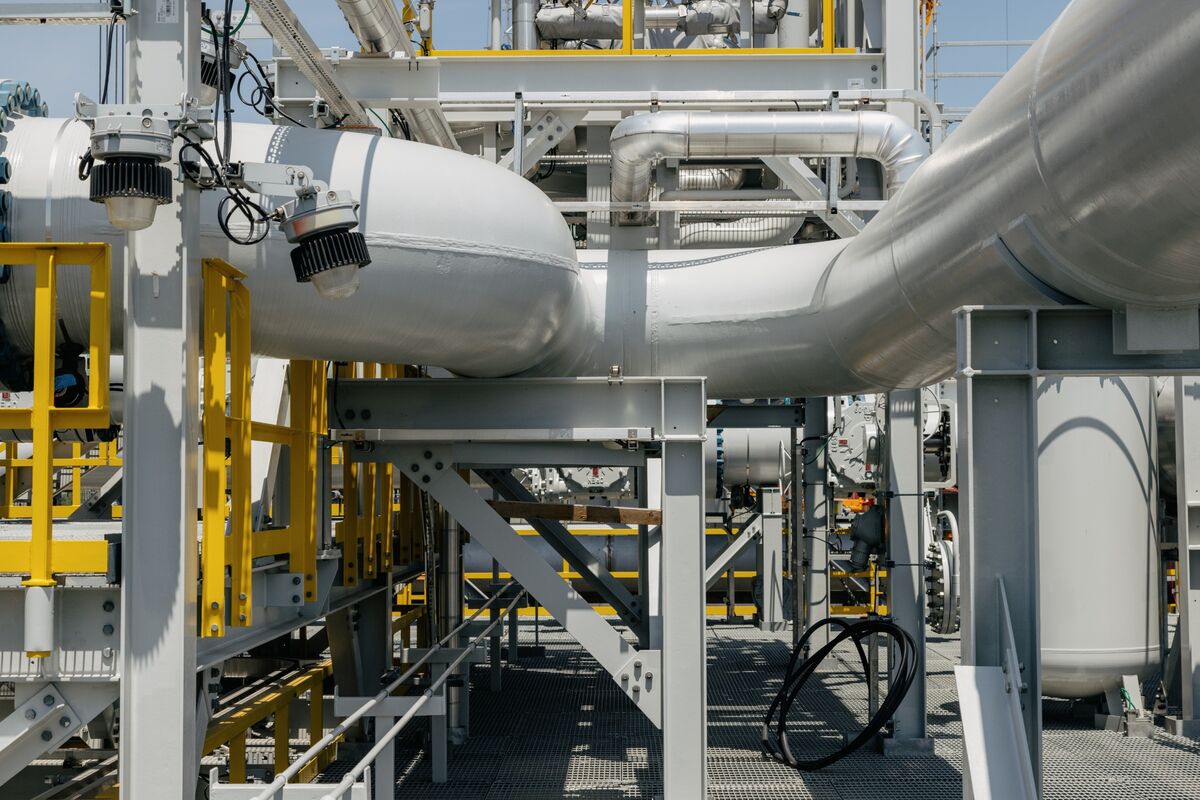
Image via Bloomberg
Abu Dhabi Cash Heads to the Gulf Coast: A $13B LNG Bet on America
Big energy money is moving again—and it’s not subtle. Kimmeridge Energy Management is pushing ahead with a $13 billion liquefied natural gas export plant on the U.S. Gulf Coast after securing backing tied to Abu Dhabi (via Mubadala, per reporting). The project, branded around the Commonwealth LNG site, is another reminder that global capital still wants U.S. molecules—especially when Europe and Asia keep paying up for reliable supply.
This is also about geopolitics as much as economics. LNG has become the grown-up version of “energy independence”: exports, long-term offtake contracts, and the ability to backstop allies when pipelines become bargaining chips. When sovereign wealth shows up, it typically means the underwriting math is good and the strategic value is higher than the headlines.
🥃 Cole's Take: If you’re still treating LNG like yesterday’s trade, you’re missing the plot. The energy transition is real, but it’s messy—and LNG is the bridge fuel the world is actually buying, not just talking about. I like businesses that sell what’s needed, not what’s fashionable.
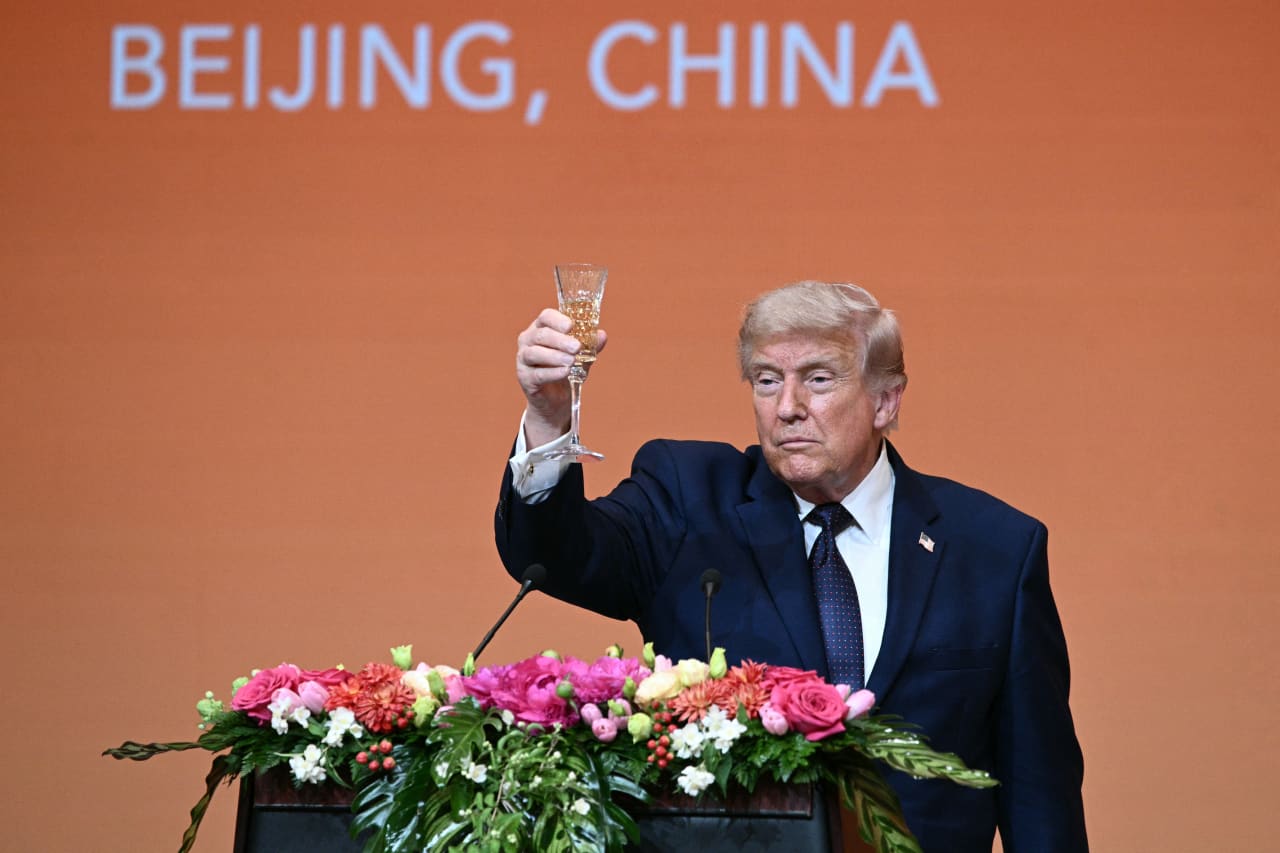
Image via MarketWatch
Trump Discloses Big Buys in Boeing and Nvidia—Right Before a China Tailwind Narrative
President Donald Trump filed a disclosure showing substantial activity across stocks and funds, including at least $1 million in purchases of shares in Boeing and Nvidia, as both companies are seen as potential beneficiaries from the ripple effects of his China trip. The market will do what it always does with political disclosures: half the crowd yells “signal,” the other half yells “noise,” and the tape decides what’s real.
Boeing is the obvious geopolitical/industrial lever—aircraft orders, supply chains, and any thawing (or re-freezing) of cross-border commercial relationships. Nvidia is the modern choke point: AI compute, export controls, and the ongoing chess match over advanced chips and the infrastructure that runs them.
🥃 Cole's Take: Don’t confuse a politician’s portfolio with your buy list—but don’t ignore the incentives, either. Boeing is still a “prove it” story operationally; Nvidia is a “price it” story valuation-wise. If you want exposure, size it like a grown-up and assume the headlines will whipsaw you.

Image via RealClearMarkets
Everyone’s Panicking About Job Growth—That’s Exactly Why Markets Can Climb
A RealClearMarkets piece argues that widespread fretting over slowing job growth can actually be bullish, framing softer employment numbers as the kind of wall-of-worry ingredient that keeps expectations (and positioning) conservative. The article points to the recent stretch of two-month employment growth and the market’s tendency to overreact to incremental changes in labor prints.
When investors get obsessed with monthly jobs data, they often forget how markets behave: they anticipate, discount, and move on. If the narrative becomes “growth is cooling,” that can ease pressure on rates—especially if inflation isn’t reigniting—and it can extend risk appetite even when the mood feels cautious.
🥃 Cole's Take: The market likes “not too hot, not too cold.” If job growth cools without cracking, that’s the sweet spot for multiples—and it keeps the Fed from feeling forced into heroics. I’m less interested in the loudest monthly number and more interested in whether credit stays calm.
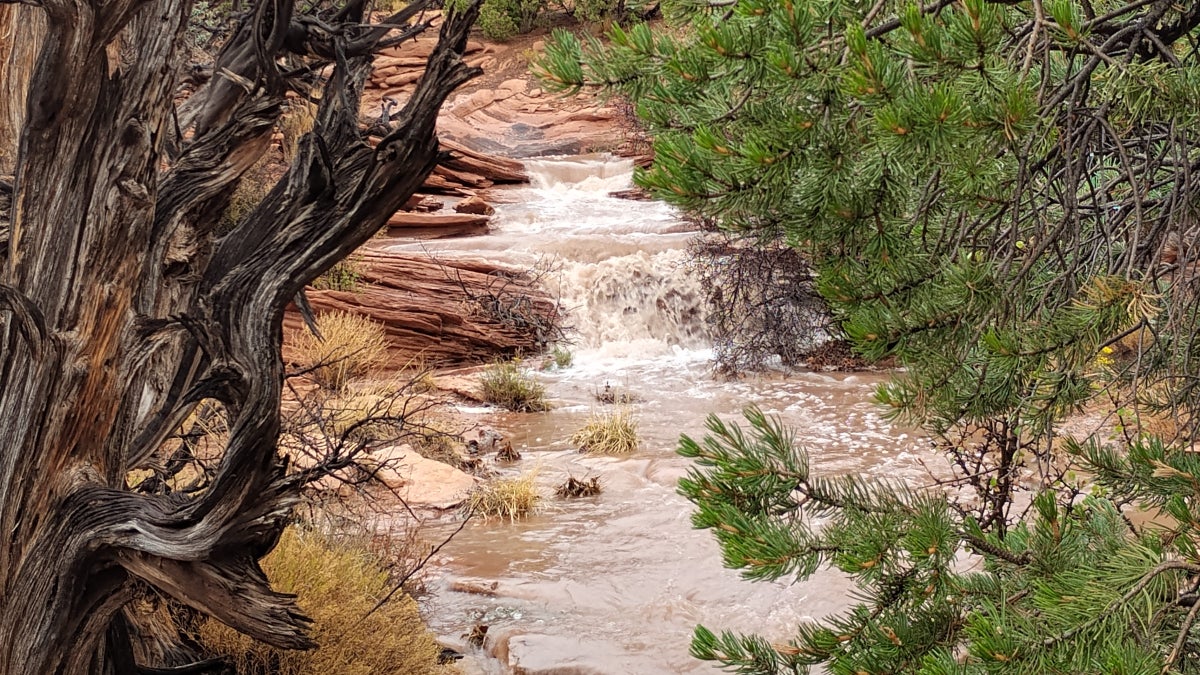
Image via Backpacker
Desert Canyons Don’t Care About Your Confidence: Flash Flood Reality Check
Backpacker runs a firsthand account of canyon flood risk—the kind you intellectually understand until you watch a dry wash turn into a moving wall of water. The piece drives home how fast conditions flip in the desert: rain miles away can load a drainage, and narrow canyon geometry does the rest.
Outdoor risk is usually a story of small decisions stacking up: “Weather looks fine here,” “We’ll be quick,” “It hasn’t rained.” But slot canyons and desert narrows are different. The hazard is often upstream and invisible, and the time between “fine” and “fatal” can be minutes.
🥃 Cole's Take: This is the outdoors equivalent of leverage—quiet until it isn’t. If you’re hiking canyons, act like your worst-case forecast is the real one: check upstream radar, know exits, and don’t marry the itinerary. Pride has no resale value in a flash flood.

Image via Popular Mechanics
A New Crystal From the First Nuclear Blast—And a Reminder That Tech Leaves Artifacts
Popular Mechanics reports scientists identified a new type of crystal formed by the world’s first nuclear explosion—another strange chapter in the ongoing study of trinitite and the extreme physics that forged it. Nearly eight decades later, the Trinity test is still producing new science, not because we’re nostalgic, but because extreme events create materials and signatures nature rarely makes on its own.
There’s also a bigger point here: history doesn’t just live in museums—it lives in matter. The ability to analyze these microscopic structures keeps improving, and that means old events can yield new insights, from forensic techniques to how materials behave under intense heat, pressure, and radiation.
🥃 Cole's Take: I’m always struck by how the biggest technological leaps leave behind permanent fingerprints—sometimes beautiful, sometimes sobering. The “new crystal” headline is cool, but the real story is our accelerating ability to read the past like a lab report. That same capability is powering everything from national security to next-gen manufacturing.

Image via GOLF.com
PGA Friday at Aronimink: Scheffler’s Repeat Bid and the Quiet Grind That Wins Majors
Golf.com is tracking Friday’s second-round action at Aronimink as Scottie Scheffler continues his push to repeat at the PGA Championship. Aronimink is the kind of venue that doesn’t reward mood swings—miss your spots, and it will take your lunch money. Major setups have a way of turning “pretty good” into “big number” fast.
Scheffler’s edge has never been mystery—elite ball-striking, calm temperament, and the patience to take what the course gives. Over four days, that’s the whole game: avoid the dumb double, accept the boring par, and wait for the run of holes where you can actually press.
🥃 Cole's Take: Majors are a lot like long-term investing: the winners aren’t the ones chasing action—they’re the ones managing damage. If Scheffler keeps his misses in the right places, he’ll be there Sunday afternoon. And if you’re playing your own weekend round, copy that part.
📎 GOLF.com
I’ll be watching the tape, checking the wind at Aronimink, and keeping one eye on the Gulf Coast—because capital always tells the truth first.
— Cole Hargrove