The AI revolution is here—and I've identified 9 powerhouse companies with real US operations, proven revenue growth, and deep AI integration that are primed to dominate. From a hidden chip maker set to power domestic AI manufacturing to a cloud provider ready for explosive growth, these aren't the tired "AI hype" stocks everyone's talking about.
The smart money is already watching, and once they move, these stocks could soar. Don't be the last to catch this wave—get the complete details on all 9 game-changing companies in my FREE report before opportunity passes you by.
Get the Free ReportBy clicking this link you agree to receive emails from StockEarnings and our affiliates. You can opt out at any time. Privacy Policy.

Live Well. Invest Smart. No Apologies.

Image via Golf.com
Spieth’s “Weird” Grand Slam Plan: Less Trying, More Winning
Jordan Spieth is walking into the 2026 PGA Championship with that rare kind of leverage: one trophy away from the career Grand Slam. And instead of chest-thumping about legacy, he’s talking about a counterintuitive approach—one that sounds “weird” until you remember how majors actually get won: patience, process, and letting the course come to you.
What jumped out is how mature this version of Spieth sounds. The guy who used to ride emotional thermals for 72 holes is leaning into restraint—managing expectations, staying inside his own rhythm, and not forcing hero shots just because the moment is big. That’s not sexy. It’s how you close.
Majors don’t reward your highlight reel. They reward your worst swings not turning into doubles. Spieth’s strategy reads like a man who’s learned that the only way to win the big one is to stop wrestling it to the ground.
✍ My Take: This is the same mentality that makes money in markets: don’t force trades, don’t chase, don’t “need” it today. Spieth’s “weird” strategy is just disciplined risk management with a putter in hand. If his head stays quiet, his hands usually follow.
📎 Golf.com

Image via Car and Driver
The Supra’s Swan Song: Toyota Dropped the Mic on the Way Out
Car and Driver drove the 2026 Toyota GR Supra Final Edition and basically confirmed what enthusiasts already suspected: Toyota waited until the end to deliver the sharpest version of this German-Japanese collaboration. More polish, more purpose, and the kind of tuning that makes you wonder why it didn’t show up sooner.
The MKV Supra has always been a lightning rod—loved, criticized, and constantly compared to its Bavarian DNA. But the Final Edition sounds like Toyota stopped trying to win internet arguments and simply built the best driver’s car they could with the parts bin they had. That’s how legends age well.
There’s also something very “late-cycle capitalism” about this: companies often perfect the product right before discontinuing it. They finally have the data, the feedback, the manufacturing rhythm—and then the regulatory and platform realities shift.
✍ My Take: This is a collector’s-market play more than a commuter decision. If you want one, buy it clean, keep it clean, and don’t kid yourself that they’ll make another like it in an electrified decade. The best “analog joy” assets—cars, watches, even certain real estate—are getting rarer, and rarity has a way of showing up in price later.

Image via GearJunkie
Hantavirus Isn’t a Headline Problem—It’s a Sleeping Bag Problem
GearJunkie’s hantavirus piece is the kind of read most people skip until it’s personal. This isn’t about cruise ships or crowded airports—it’s a backcountry risk tied to rodent droppings, poorly ventilated cabins, dusty sheds, and camps where mice think your snack bag is a buffet.
The uncomfortable truth: a lot of outdoorsmen are meticulous about bear hangs and water filtration but casual about sweeping out an old cabin or setting up camp near rodent sign. Hantavirus is rare, yes—but it’s also potentially deadly, and prevention is mostly boring common sense: ventilation, masking up when cleaning, avoiding dust clouds, and keeping food sealed.
If you’re the guy who owns a hunting cabin, stores gear in a barn, or loves shoulder-season camping when critters move indoors, this is in your lane.
✍ My Take: The older I get, the less impressed I am by “toughing it out.” Smart outdoors is the same as smart investing: reduce catastrophic downside. Take five minutes to ventilate and clean correctly—you can’t buy your way out of a preventable infection later.
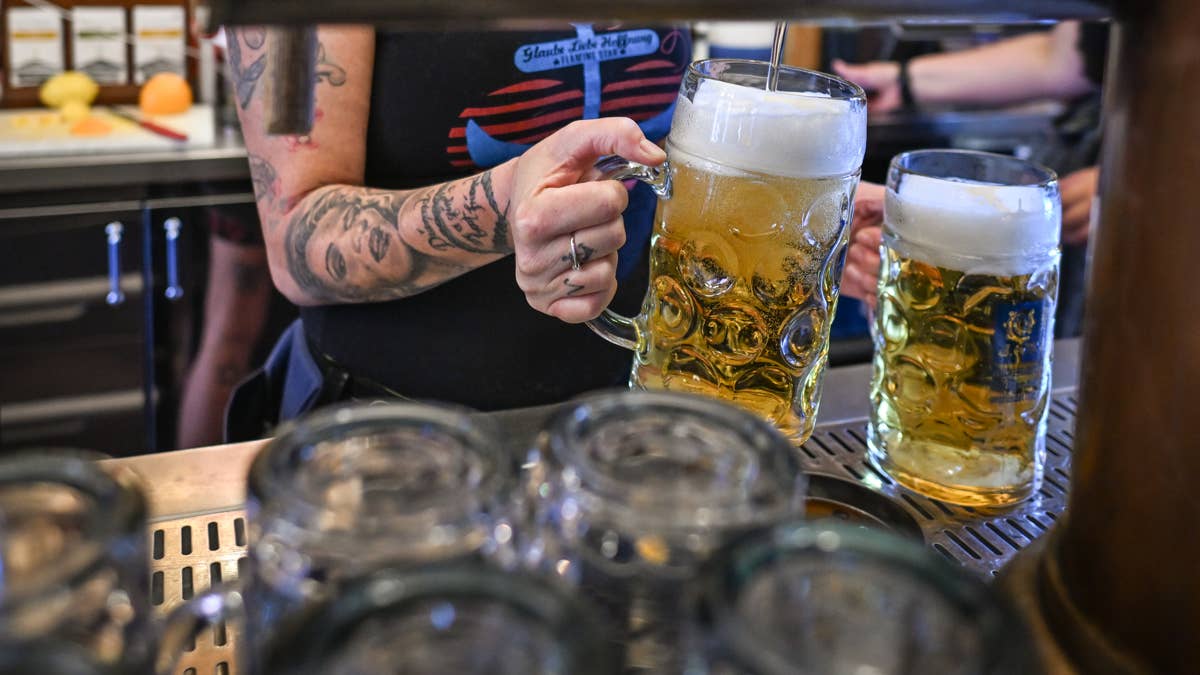
Image via TheStreet
Keystone Ice Is Back: Coors Knows Exactly Who Still Wants It
Coors is reviving Keystone Ice after a five-year hiatus, and TheStreet frames it the right way: this isn’t a craft-beer story—it’s a nostalgia-and-value story. Keystone Ice earned its cult status the old-fashioned way: cheap, strong, and attached to memories people don’t totally regret.
This move also says something about the beer market right now. Premiumization is real, but so is the consumer snapback to value when wallets tighten. When people feel squeezed—groceries, insurance, interest rates—they don’t all “trade up.” A lot of them trade back to familiar brands that deliver the core promise without the lifestyle markup.
And yes, it’s funny to talk about “brand strategy” for a beer many of us met in a plastic cooler at 19. But that’s exactly why it works.
✍ My Take: Watch the pattern, not the punchline. When mass-market “value” brands get revived, it usually means consumer spending is more brittle than the headline numbers suggest. If you’re investing in consumer names, don’t ignore the low end—it often turns before the analysts do.
Cole Hargrove — keep your risk tight, your standards high, and your Scotch honest.
— Cole Hargrove