One of our most reliable indicators just triggered on a small-cap company operating quietly under the radar. We've seen this same setup before notable announcements, strategic shifts, and surges in institutional activity.
At Alpha Wire Daily, we've built our reputation on identifying these patterns early — before the rest of the market catches on. We've just released a new briefing detailing the company name, chart setup, and why this signal stands out. Timing is everything.
Get the Free Report + Alert Access*We encourage readers to perform their own research and due diligence on any information we provide. By clicking the link you will automatically be subscribed to the Alpha Wire Newsletter.

Live Well. Invest Smart. No Apologies.

Image via Bloomberg
Socket Hits Unicorn Status by Protecting the Code Nobody Audits
Socket, a cybersecurity startup focused on securing open-source software, just raised a round that puts it at a $1 billion valuation. Their wedge is simple and overdue: modern software stacks are a messy pile of open-source dependencies, and attackers don’t need to breach your perimeter if they can poison the ingredients you ship to customers.
The timing makes sense. Supply-chain attacks have gone from “rare nightmare” to “standard playbook,” especially with nation-state actors and criminal groups targeting developer tools, package managers, and CI/CD pipelines. If Socket’s tech reduces the odds that a bad dependency turns into a board-level incident, CISOs will pay—and renew.
🥃 Cole's Take: This is one of the few security categories that’s not just “nice to have” during budget pressure—it’s existential. Unicorn valuation doesn’t mean “buy it at any price” if/when it files, but it does signal where enterprise spend is staying sticky. If you’re hunting the next wave of cybersecurity winners, supply-chain defense is where the puck’s going, not another dashboard with a new logo.
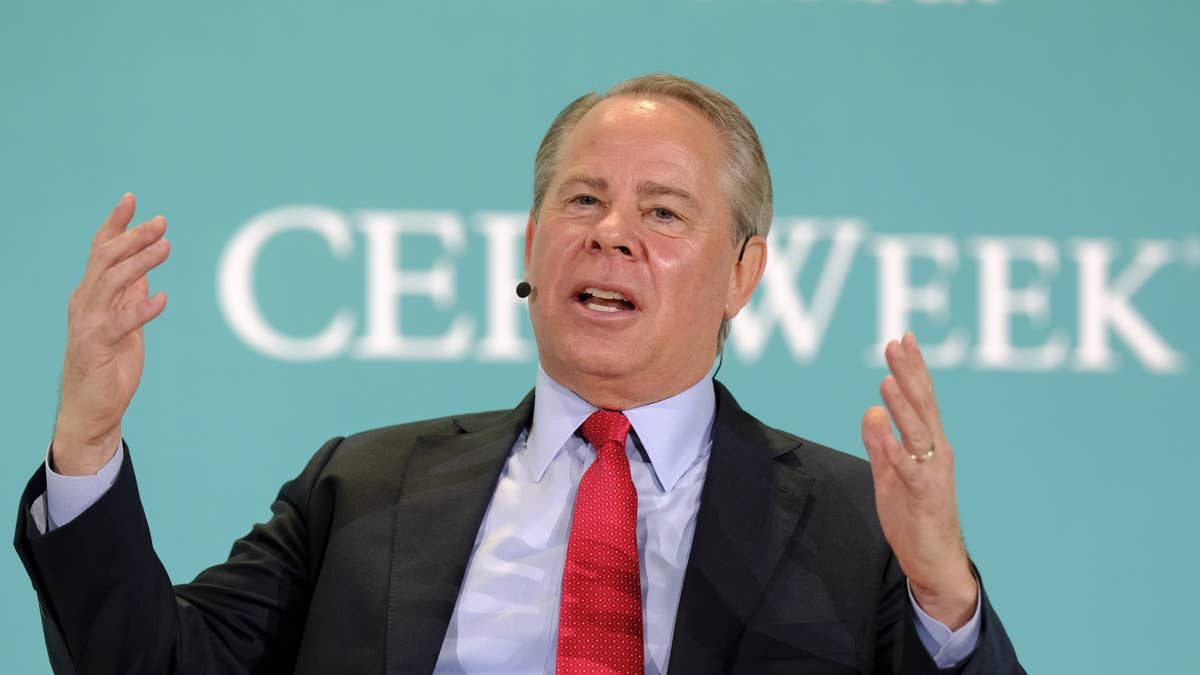
Image via TheStreet
NextEra’s Big Dominion Swing Gets a Cold Shoulder From Wall Street
NextEra Energy’s stock slid after the company agreed to a massive deal involving Dominion—one of the largest energy acquisitions in decades, according to early comparisons being thrown around. The first read from the market: investors don’t like the price, they don’t like the complexity, and they definitely don’t like uncertainty when rates still have teeth.
Utility M&A is supposed to be boring—synergies, regulated earnings, steady cash flow. But when the purchase price looks rich (or the financing plan looks fragile), “boring” turns into “dilutive.” Even if the long-term asset logic is sound, the near-term hit to sentiment can be brutal, especially for a name like NextEra that’s been treated as a premium utility/clean-energy hybrid.
🥃 Cole's Take: I’m not allergic to big utility deals—scale matters—but I am allergic to paying up when the market is already questioning your cost of capital. If management can’t tell a clean story on financing and rate-base growth, this stays dead money longer than people think. For income-focused investors: don’t confuse “utility” with “safe” when the deal math is messy.
Ensign Energy Services: Venezuela Is the One Variable You Can’t Spreadsheet Away
Ensign Energy Services is getting attention with a familiar energy-services setup: operational leverage when drilling activity firms up, but plenty of execution risk if customers pull back. The wrinkle highlighted here is Venezuela exposure—and that’s not just a commodity cycle question, it’s geopolitics, sanctions, payment risk, and rule-of-law roulette.
Service companies live and die by utilization, pricing power, and getting paid on time. Venezuela can look attractive on paper when activity rises, but “attractive” quickly becomes “uninvestable” if regulatory conditions shift or capital repatriation turns into a mirage. The market tends to discount this stuff—until it doesn’t.
🥃 Cole's Take: Venezuela exposure is like hiking with a clear sky and a bad forecast—you might finish the trail, but you’d better pack for trouble. If you own Ensign, size it like a cyclical with a political kicker, not a plain-vanilla oilfield services play. I’d want a margin of safety in valuation and a clear read on how the company manages counterparty and cash-collection risk down there.
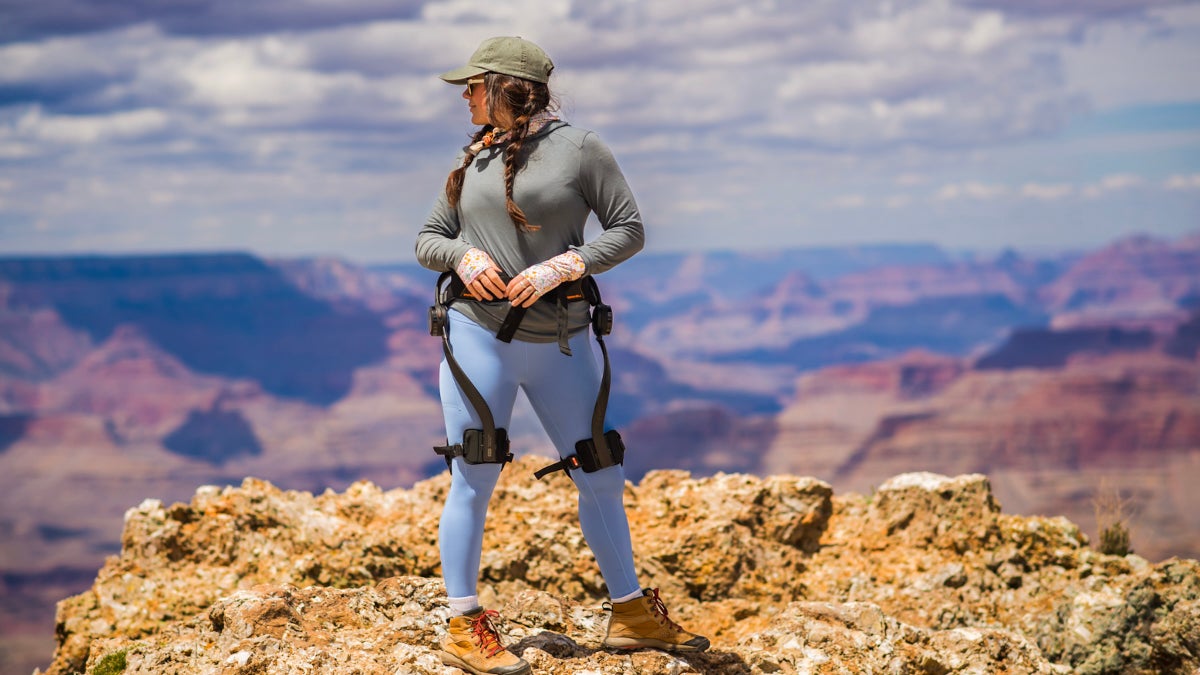
Image via Outside
I’m Watching the “Exoskeleton for Hikers” Category Like It’s an Early-Stage Wearables IPO
Outside reviewed Hypershell’s latest wearable robotic exoskeleton—the Hypershell X Ultra—after taking it into real terrain in the Grand Canyon. The promise is obvious: lightweight assistive power that takes the sting out of climbs and long descents, extending range and reducing fatigue without turning you into a sci-fi character.
What matters is whether it’s genuinely usable on rugged trail—battery life, comfort, reliability, and whether the assist feels natural instead of fighting your gait. Outdoor tech fails when it’s great in a demo and miserable after two hours of sweat, dust, and uneven footing. A Grand Canyon test is about as close as you get to “real world” without issuing a warranty claim.
🥃 Cole's Take: This category is going to explode—not just for athletes, but for aging knees, heavier packs, and guys who still want the ridge-line photo without paying for it for three days. But I’m treating it like early EVs: incredible concept, uneven execution, and the winners will be the ones who nail ergonomics, service, and battery ecosystem—not just AI marketing. If a company in this space files for an IPO, I’m reading the returns and warranty reserves before I read the hype.
📎 Outside
Utah Might Be “Too Good” at Outdoor Safety—and That’s Not a Compliment
The Dyrt digs into Utah’s outdoor safety culture with a provocative idea: when a place is exceptionally good at rescue infrastructure, messaging, and preparedness, it can create a subtle moral hazard. In plain English: people may take bigger risks because they assume the system will save them.
Utah’s terrain doesn’t care about your assumptions. Slot canyons, desert exposure, fast weather shifts, and remote trails punish casual planning. When destinations market accessibility and adventure in the same breath, the gap between “I saw it on Instagram” and “I’m ready for it” gets wider.
🥃 Cole's Take: Safety nets are good—until they turn into permission slips. If you’re traveling with family or buddies, treat Utah like you treat the market: respect volatility, pack liquidity (water), and don’t lever up on optimism. The best outdoorsmen I know don’t brag about the risks they took—they brag about the dumb ones they avoided.
📎 The Dyrt
Chrysler’s Off-Road Minivan Idea Is Either Brilliant… or a Boardroom Cry for Help
Chrysler is reportedly considering a production off-road minivan, pushing the Pacifica in a direction nobody had on their bingo card. On one hand, it’s a weird sentence: “rugged minivan.” On the other, the market has a long history of rewarding vehicles that solve real-life problems—family hauling plus dirt-road capability is not a fictional use case.
The bigger context is brand survival. Chrysler’s lineup has been thin, and the industry is crowded with crossovers doing the “soft adventure” thing. An off-road minivan could be a niche nobody owns—part family rig, part camping basecamp, part overland-lite—if it’s executed with real ground clearance, durable components, and a platform that can take abuse.
🥃 Cole's Take: I don’t hate this—because the most profitable vehicles are often the ones that make purists mad. But Chrysler can’t half-step it; consumers can smell a “trim package cosplay” from a mile away. If they build something legitimately capable, it could print money with families who want trails and tailgates without buying a three-row SUV that rides like a pickup.
Cole Hargrove — protect the downside, enjoy the upside, and don’t apologize for either.
— Cole Hargrove