Sponsored By:
When the U.S. government quietly takes ownership stakes in public companies, stocks don't just move — they explode. One tripled overnight. Another surged 200% before the market opened. A third went public days after a formal government partnership in one of the biggest tech IPOs in years. This isn't speculation — it's in the official filings.
A free report reveals all 24 companies named in the government's official partnership announcement, which ones you can trade right now, plus a bonus list of 5 companies where the government took direct ownership stakes — and exactly how each stock reacted when the deal went public. Straight from the source. Fully verified.
Get the Free Report NowClicking the link above subscribes you to future messages from Equiscreen, LLC and provides instant access to two additional bonus subscriptions from our marketing partners. Unsubscribe anytime. View Privacy Policy

Live Well. Invest Smart. No Apologies.
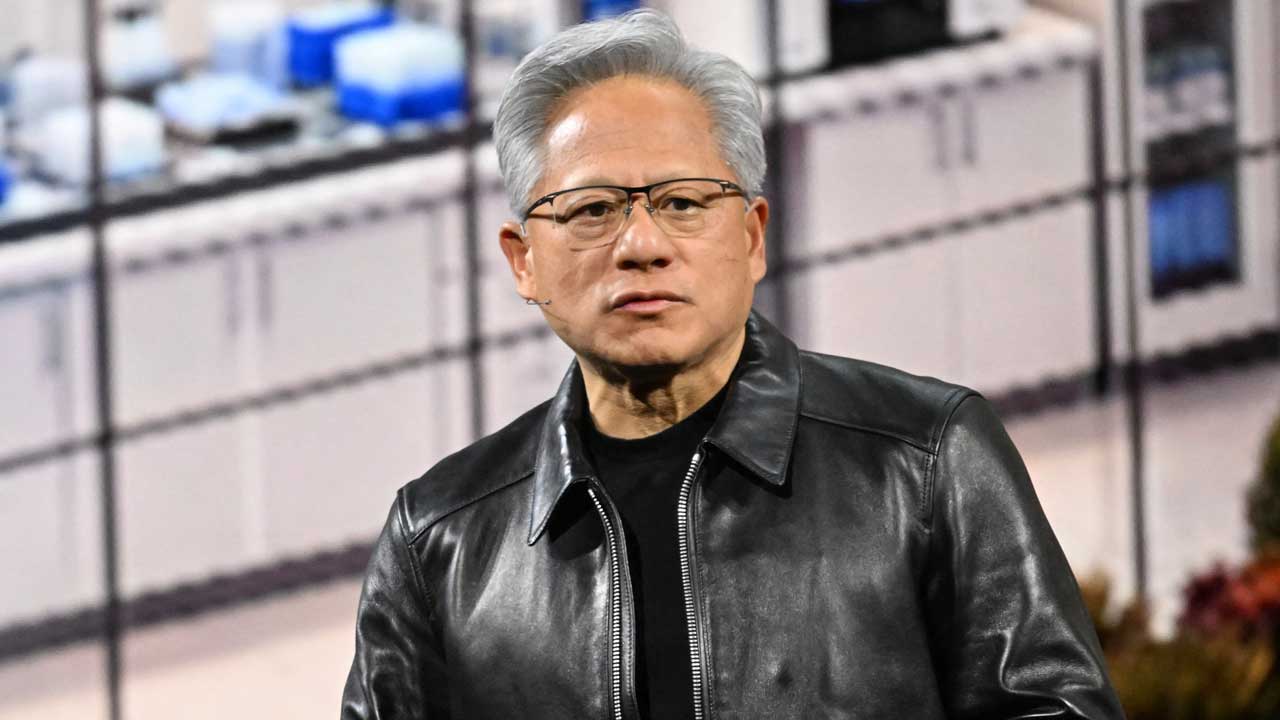
Image via Fox Business
Nvidia Reinstates Jensen Huang as CEO, Effective Immediately
Nvidia reinstated co-founder Jensen Huang as CEO effective immediately, with the company pointing to U.S. government input as part of the decision. The move lands like a thunderclap because it’s not just a leadership shuffle — it’s a reminder that Nvidia now sits in the category of companies the U.S. considers strategic infrastructure, the way oil majors and defense contractors used to be.
The company also noted an independent probe remains ongoing into a reported foreign intelligence effort. That’s the kind of phrase that sounds vague until you’ve spent time around boardrooms and compliance teams: it can mean everything from targeted data theft to relationship mapping to pressure campaigns, and it tends to bring a long tail of scrutiny.
Markets will read this in two directions at once. First, reinstating Huang is a signal of stability and continuity — you don’t call the founder back unless you want the original operator at the wheel. Second, “government input” and “foreign intelligence effort” both translate to one plain-English takeaway: Nvidia’s operating environment now includes national security guardrails, and those guardrails can shape product roadmaps, customer lists, and revenue mix faster than any competitor can.
🥃 Cole's Take: If Washington is nudging who runs Nvidia, that’s bullish for Nvidia’s strategic staying power and bearish for anyone thinking semis are a pure free-market game. Huang back in charge is the market-friendly part; the investigation is the risk premium part. I’d treat NVDA less like a typical growth stock and more like a critical asset with policy upside and policy whiplash — position size matters, and so does your stomach for headlines.

Image via MarketWatch
Medicare Advantage Gets a Harder Look, and the Stocks Flinch
UnitedHealth, Humana, and CVS slid as the U.S. signaled tougher scrutiny around Medicare Advantage ratings. Translation: the government is taking a closer look at how plans are graded and how those grades flow into dollars, which is where this gets real for investors.
This isn’t just a headline risk story. Medicare Advantage has been a profit engine across insurers and integrated healthcare models, and ratings mechanics matter because they can tilt enrollment, reimbursement, and marketing power in one shot.
Even if nothing changes overnight, the market hates uncertainty around a business model that’s been treated like dependable cash flow. When Washington starts using words like “practices” and “ratings,” multiples tend to shrink before the facts arrive.
🥃 Cole's Take: When policy risk shows up, I stop pretending these are boring defensive names. If your thesis is built on stable rules, you need a Plan B for when the rulebook gets edited mid-game. I wouldn’t rush to bottom-fish until we see whether this is optics, enforcement, or a real structural reset in how Advantage gets rewarded.

Image via TheStreet
Scott Bessent Weighs In on Nvidia, and It’s Not the Easy Sound Bite
Scott Bessent stepped into the Nvidia debate with a verdict that surprised plenty of investors who expected a clean “too hot” or “can’t lose” call. When someone with macro instincts comments on a stock that’s become a proxy for the AI economy, it tends to land harder than another analyst note.
The real message isn’t about one ticker as much as it is about positioning and expectations. Nvidia sits at the intersection of demand reality, supply chain execution, geopolitics, and valuation gravity, and the crowd swings between treating it like a utility and treating it like a meme.
Bessent’s involvement is also a reminder: this isn’t just a tech story anymore. Nvidia is effectively a macro asset at this point, reacting to rates, growth fears, capex cycles, and whatever the next regulatory headline decides to be.
🥃 Cole's Take: I treat Nvidia like a premium business that can still be a volatile stock. If you own it, own it for the long game and size it like it can drop 20% on a bad week without changing the company’s moat. The market will keep arguing the multiple; your job is to decide whether you’re investing in earnings power or gambling on sentiment.

Image via GOLF.com
Jeeno Thitikul’s Three-Peat Recipe: Precision Tools, No Drama
Jeeno Thitikul just pulled off a historic three-peat at the CME Group Tour Championship, and the “what’s in the bag” details are a master class in modern shotmaking. The story isn’t about exotic one-off gear as much as it is about a dialed setup built for repeatable numbers under pressure.
The Callaway-heavy build highlights what elite players actually chase: reliable launch windows, consistent spin, and gapping that holds up when adrenaline rises. At that level, it’s less “magic club” and more “zero surprises,” especially in the scoring clubs.
If you play any competitive golf at all, this is a useful reminder that stability beats novelty. The bag is a system, and championships usually come from eliminating the left-and-right miss before you start daydreaming about an extra five yards.
🥃 Cole's Take: Most amateurs shop like tourists and practice like they’re busy, then wonder why the scorecard looks the same. Jeeno’s setup screams discipline: build gapping you can trust and pick gear that removes variables. Spend less time chasing the newest face insert and more time owning your 120-yard number.
📎 GOLF.com

Image via Car and Driver
Audi’s 2027 Q7 and SQ7: Same Suit, Better Shoulders
Audi’s 2027 Q7 and SQ7 updates aim squarely at the “don’t mess it up” crowd: refine a proven luxury SUV without losing the comfort-and-capability balance that made it a staple. The refresh reads like Audi doing what it does best when it’s being practical, tightening the package rather than reinventing it.
The Q7 remains the default choice for families who still care how a vehicle drives, while the SQ7 is for people who want their three-row to feel less like a compromise and more like a quiet flex. The throughline is muscle with manners: more presence, more polish, and the kind of upgrades that matter on long highway days.
For anyone who lives between airport runs, weekend getaways, and the occasional backroad detour, the Q7 formula has always been about covering ground without wearing you out. This update sounds like Audi remembered that the real competition isn’t just other SUVs, it’s fatigue.
🥃 Cole's Take: A luxury SUV should do two things: disappear on a long drive and show up when you ask for power. If Audi actually improved the Q7/SQ7 without bloating the driving feel, that’s a win in a segment full of heavy, numb status boxes. My rule is simple: test it on the same rough roads you drive every day, not just the dealer’s smooth loop.

Image via Robb Report
Ferrari Unleashes Two Wilder 296 Variants, One for the Street and One for the Stopwatch
Ferrari revealed two new spins on its 296 platform in Barcelona: the street-legal 296 Challenge Stradale and the track-only 296 Challenge Evo. If the standard 296 is the tailored jacket, these are the versions with the sleeves rolled up and the collar undone.
The Stradale is built to blur the line between road car and circuit weapon, while the Evo leans fully into competition intent where comfort is irrelevant and lap time is the only language. It’s Ferrari doing what it’s always done at the top end: selling not just performance, but a narrative of access to the brand’s racing DNA.
There’s also a broader point here about luxury demand. Even in uneven economic moments, ultra-high-end performance keeps finding buyers because the customer base is less interest-rate sensitive and more experience-driven.
🥃 Cole's Take: Ferrari understands the rich man’s economy: scarcity, speed, and a story you can’t download. If you’re shopping this tier, the real question isn’t horsepower, it’s whether you’ll actually use the capability or just store it like a bottle you never open. Life’s short; if you can swing it responsibly, buy the one that makes you drive.
Cole Hargrove Editor, The Balanced Brief Live Well. Invest Smart. No Apologies.
— Cole Hargrove