The Fed held rates, inflation is still above target, and uncertainty is rising — that means the "buy anything AI" trade is over. Smart money is rotating fast toward the companies actually building AI infrastructure: chips, cloud capacity, and mission-critical data tools. Big Tech alone is projected to spend $635B–$665B on AI in 2026 — and not all of it is going where most investors are looking.
We've identified 9 AI stocks worth watching right now — including a lesser-known chip name tied to U.S. AI infrastructure, a cloud player with improving setup, and a data analytics company with government exposure. This isn't hype. It's about following where capital is actually being deployed.
Get the Free Report NowBy clicking the link above, you will receive this free report and a free subscription to the StockEarnings daily email newsletter. You are also agreeing to the terms of our Privacy Policy. Unsubscribe at any time.

Live Well. Invest Smart. No Apologies.

Image via TheStreet
Nvidia and Micron are about to remind everyone who really runs this market
Wall Street loves to talk diversification until a couple of tickers carry the whole room. Nvidia and Micron have become two of the loudest receipts in the AI era: one selling the picks and shovels for the compute boom, the other supplying the memory that makes that compute actually usable. When they talk, the "soft landing" chatter and valuation debates tend to quiet down fast.
What’s really happening is a reality check about scarcity and pricing power. In the parts of tech that matter right now, capacity is tight, demand is structural, and customers can’t simply swap to a cheaper substitute without performance pain. That’s the kind of setup that lets leaders "lord" results over the street: not because analysts missed it, but because the market still struggles to price sustained dominance when cycles used to mean quick reversion.
The risk, as always, is that everyone crowds into the same trade and calls it prudence. When leadership gets too narrow, a single supply-chain snag, export rule shift, or capex pause can shake the whole index. But the bigger message is simple: the AI buildout is still capital-heavy, and the companies that control bottlenecks get paid first and complain last.
🥃 Cole's Take: I don’t mind paying up for businesses with real pricing power, but I refuse to pay “any price” just because the story is popular. If you own these names, trim into strength and rebalance; if you don’t, stop chasing breakouts and start building positions on ugly days. The next leg higher won’t be driven by hope, it’ll be driven by execution and supply discipline.

Image via Fox Business
Gen Z is leaving California, and the money is following them
California bleeding young adults isn’t a culture story; it’s a math story. When rent, taxes, and basic living costs outpace early-career wages, people do what rational adults do: they move. The latest migration numbers show California taking a big hit in net Gen Z outflows, while states like Texas and South Carolina pull in the next generation with lower costs and faster household formation.
This is how wealth maps get redrawn over a decade. Young workers relocate, employers follow talent pools, and housing demand shifts from coastal zip codes to places where a starter home isn’t a fantasy. The “I’ll just rent forever” mindset evaporates quickly when someone realizes their monthly payment can buy land, not just a parking spot.
For investors, the downstream impacts are steady and predictable: infrastructure spend, regional bank lending, homebuilders, and local services all benefit where growth is flowing. Meanwhile, high-cost states risk a slow squeeze where the tax base ages, public costs rise, and the political fixes lag the economic reality.
🥃 Cole's Take: I wouldn’t bet against California innovation, but I absolutely bet against California affordability improving fast enough to reverse this trend. If you want to protect and grow real-world wealth, own assets where families can still form: housing, land, and businesses in growth states. This is one of those “boring” macro shifts that ends up outperforming flashy trades over time.
A declassified audit shows our Iran strategy looked like 200 programs and no quarterback
A newly declassified State Department audit paints an uncomfortable picture: more than 200 programs aimed at countering Iran-backed groups scattered across the agency with unclear leadership and weak coordination. That’s not just bureaucratic clutter, it’s operational risk. When efforts are fragmented, you get duplicated spending, mismatched priorities, and gaps that adversaries can exploit.
This matters beyond Washington because geopolitics is a pricing engine. Disorganization increases the odds of miscalculation, escalation, and surprise. Markets don’t price the slow grind of “process failure” well until it shows up as an oil spike, shipping disruption, or a sudden defense procurement sprint.
The real-world knock-on effects hit portfolios in plain sight: energy volatility, insurance costs, supply-chain rerouting, and higher government outlays. When the policy apparatus is messy, the range of outcomes widens, and wider ranges demand bigger risk premiums.
🥃 Cole's Take: I don’t need Washington to be perfect, but I do need it to be coherent when the stakes are this high. If you’re building a resilient portfolio, assume geopolitical messiness is the base case: keep some energy exposure, hold quality defense where valuations aren’t insane, and don’t let your cash cushion get too thin. The biggest losses happen when “unlikely” becomes “Tuesday.”
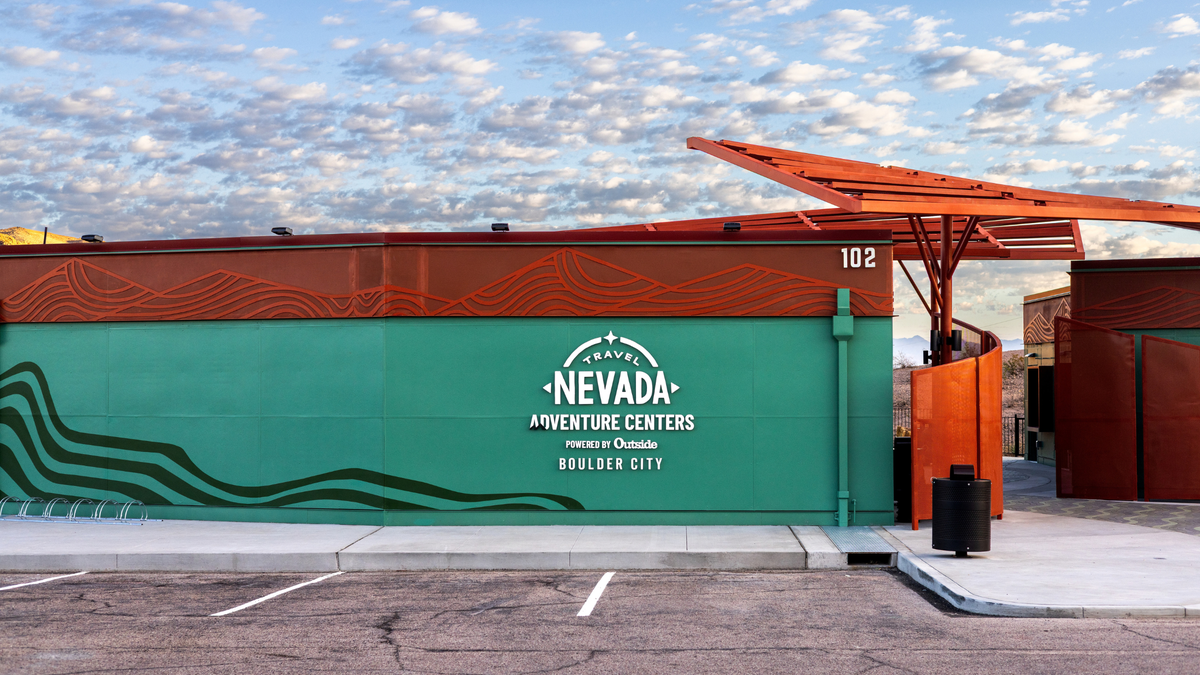
Image via Outside
Nevada’s historic desert towns are getting a new kind of main street: adventure
Outside and Travel Nevada are planting new Adventure Centers in historic desert towns, turning overlooked hubs into gateways for trail days, climbing weekends, and long-haul road trips. That’s smart tourism: spread visitors beyond the usual hotspots, extend stays, and give small towns a reason to keep storefronts lit year-round.
What I like here is the match between place and purpose. Nevada’s wide-open country isn’t a theme park; it’s the kind of landscape that resets your brain after too much screen time and too many earnings calls. A well-run hub can give travelers local knowledge, route planning, and the confidence to explore responsibly instead of wandering into trouble with a half-charged phone.
The business angle matters too. Outdoor travel is one of the cleanest “experience economy” plays because it converts directly into lodging, guides, gear, food, fuel, and repeat visits. Do it right and you get durable, distributed economic lift without trying to build a Vegas in every county.
🥃 Cole's Take: If you’ve been grinding for decades, this is exactly the kind of trip that pays you back: quiet mornings, big skies, and enough adventure to feel alive without needing a concierge. I’m bullish on destinations that build real infrastructure for the outdoors, not just marketing slogans. Put a Nevada desert loop on your calendar before it gets “discovered” and priced like everything else.
📎 Outside

Image via Robb Report
Porsche’s next supercar is coming, and the halo effect is the whole point
Porsche has confirmed its next supercar is on the way, with the Mission S concept slated for reveal on Oct. 15. Whether it lands as a limited-run monster or a technology showcase, this is a classic Porsche move: build a halo product that makes everything else in the lineup feel a little more special.
Supercars aren’t just about speed anymore; they’re rolling R and D budgets with license plates. Materials, aerodynamics, hybridization, thermal management, software integration, all of it trickles down. The brand also gets to test what high-end buyers will tolerate in terms of electrification, weight, interface, and the “feel” that separates drivers from passengers.
The luxury market remains bifurcated: aspirational buyers are rate-sensitive, but the top end is still well-funded. Porsche knows exactly where its margin lives, and it’s not in discounting. A true halo car keeps pricing power alive even when the broader auto cycle gets choppy.
🥃 Cole's Take: I’m not buying a supercar as an investment, I’m buying it because it makes my pulse jump, and Porsche understands that better than almost anyone. If Mission S signals real tech progress without turning the driving experience into a video game, it’ll do its job: protect the brand and support pricing across the range. Just remember: the best “return” on a car like this is using it.

Image via GOLF.com
A toed tee shot, a perfect result, and a $160,000 reminder that golf rewards nerve
New Zealand pro Daniel Hillier hit a toed tee shot at the Spanish Open and watched it turn into perfection, earning a $160,000 bonus. Golf has a special way of humbling you and rewarding you in the same breath: you do the wrong thing, get the right outcome, and then spend a week questioning your swing thoughts.
At the pro level, what looks like “luck” is usually a blend of speed, timing, and a miss that’s still inside a very tight window. The story lands because every golfer recognizes it. You can hit it off the screws and find a bad bounce, or you can catch it on the toe and ride the invisible wind like you planned it.
There’s also a money lesson baked in. Incentives matter. Bonuses tied to outcomes, not aesthetics, keep players aggressive when the safe play feels tempting. Golf, like markets, rarely pays you for looking good; it pays you for finishing well.
🥃 Cole's Take: I love this because it’s honest: perfection isn’t always a pure strike. In golf and investing, you can do the “right” thing and still get punished, and you can make a small mistake and still win if your process is sound and your risk isn’t fatal. Take the bonus when it shows up, then go back to fundamentals before luck starts charging interest.
📎 GOLF.com
Cole Hargrove The Balanced Brief Live Well. Invest Smart. No Apologies.
— Cole Hargrove