Sponsored By:
Some tickers don't knock — they kick down the door. Volume explodes, momentum ignites, and suddenly everyone wants in. GuyStocks hunts unusual trading activity, fresh catalysts, and emerging small-cap stories before they become the most talked-about ticker on the Street.
Get timely momentum alerts, unusual activity flags, and straight-to-the-point market insights delivered to your inbox. Because "Where did THAT come from?" hits different when it's already on your watchlist.
Join GuyStocks — Get on the Alert ListBy clicking the link above, you agree to receive emails from GuyStocks.com. You can opt out at any time. — Privacy Policy

Live Well. Invest Smart. No Apologies.
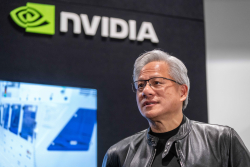
Image via RealClearMarkets
The Jensen Huang Comeback Campaign: Markets Don’t Run on Nostalgia
A vocal corner of Nvidia’s fan base is pushing for Jensen Huang’s return to the top job, arguing the company needs its old magic back. The piece lays out why that kind of reinstatement is a lot harder than internet petitions make it look: governance is real, reputational damage is sticky, and boards rarely reverse course unless the business is actively breaking.
What matters for investors is the underlying signal: when shareholders start daydreaming about a fallen star returning, they’re often expressing anxiety about execution, culture, or strategy under the current regime. In AI-era semis, confidence is currency. If the market starts believing the company’s edge is tied to one personality rather than a deep bench, valuation premiums get fragile fast.
Also worth noting: a “bring him back” narrative can distract management right when competition and regulatory scrutiny are tightening. The longer a leadership cloud hangs, the more oxygen it steals from product roadmaps, partner alignment, and the kind of boring operational excellence that keeps hyperscalers signing multi-year checks.
🥃 Cole's Take: I’ve sat in enough boardrooms to tell you this: the past is not a strategy, and comebacks at this scale are rarer than people want to admit. If you own Nvidia exposure, focus on proof of execution and margin durability, not personality theater. Great companies outgrow heroes; if they don’t, they eventually pay for it.
Trump in Asia: The Risk Isn’t Headlines, It’s Supply Chains and Capital Flows
In Bloomberg’s conversation with Richard Haass, the theme is less about campaign drama and more about how Asia recalibrates when Washington’s posture changes. The discussion touches on alliance dynamics, trade posture, and the reality that Asia’s major economies plan years ahead, not news-cycle to news-cycle.
For investors, the practical takeaway is that “Asia risk” shows up in places you can actually measure: currency volatility, reshored or friend-shored supply chains, defense spending, and tighter tech controls. When policy uncertainty rises, businesses don’t stop operating; they rewrite contracts, move inventory buffers, and diversify sourcing. That costs money in the short run, but it can create investable winners across logistics, industrial automation, and select domestic manufacturing.
The bigger point is that geopolitics has become a line item, not an occasional surprise. If your portfolio assumes frictionless trade and stable rules of the road, it’s living in a pre-2020s spreadsheet.
🥃 Cole's Take: I don’t trade politics; I price regimes. If Asia policy gets noisier, I want companies with pricing power, flexible supply chains, and management teams that have already lived through sanctions, tariffs, and export controls. The play isn’t panic—it’s position sizing and making sure your “international exposure” isn’t secretly one chokepoint away from a bad quarter.
Home Depot Picks Its Next CEO as the Consumer Stays Picky
Home Depot named Richard McPhail as its new CEO, effective next week, and the company also beat earnings expectations. Leadership transitions at this scale are rarely about one quarter; they’re about who can steer the machine through the next phase of the housing and renovation cycle.
The macro backdrop still matters: homeowners are sitting on low-rate mortgages, which keeps existing home supply tight and makes moving expensive. That tends to support remodeling over relocation, but it also changes what people buy: fewer splashy full-home renos, more targeted projects, maintenance, and efficiency upgrades. Home Depot’s job is to win the “must-do” spend and keep pros loyal when project volume gets choppy.
McPhail’s challenge will be balancing operational discipline with growth bets in digital fulfillment, supply chain, and pro services. In a slower demand tape, execution is the brand—misses show up quickly in comps, inventory turns, and margin.
🥃 Cole's Take: This is the kind of CEO pick I like: operator DNA, not a hype merchant. Home Depot is a hold-if-you-own name when the cycle is messy, but I’d rather add on real weakness than chase a pop after a beat. If rates stay higher-for-longer, the winners will be the retailers that serve pros flawlessly and manage inventory like it’s oxygen.
📎 CNBC
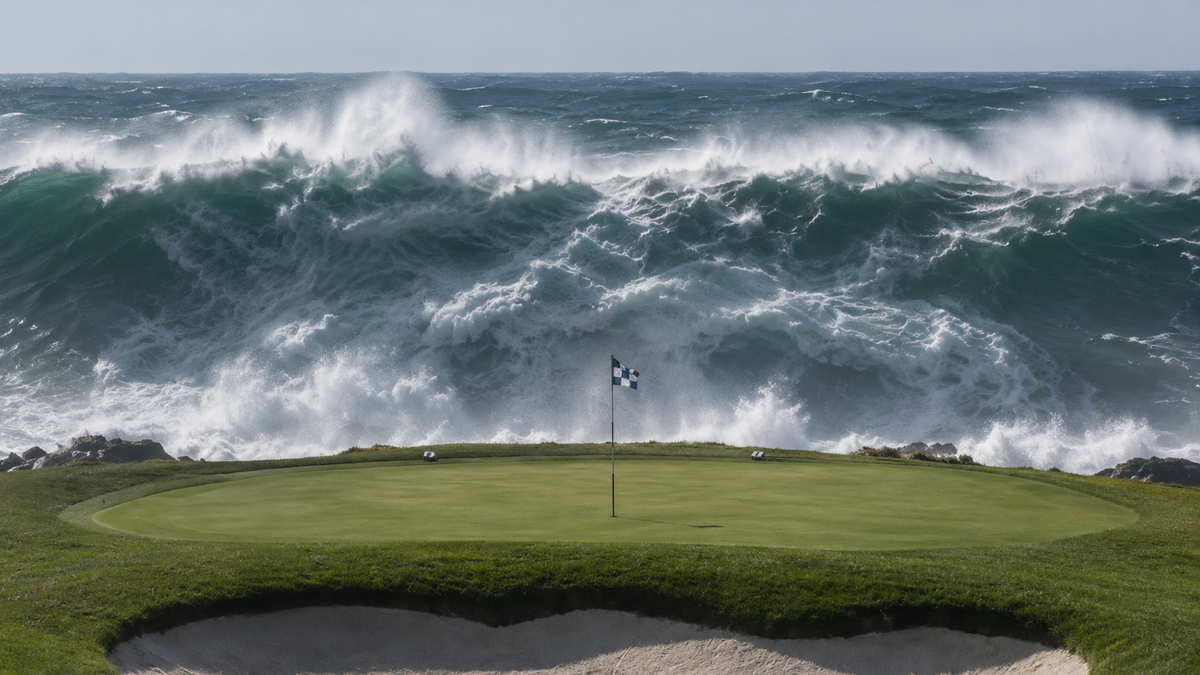
Image via Surfer
Pebble Beach’s 7th Hole Took a Hit: The Coastline Is the Real Scorecard
A massive El Niño-driven swell turned Pebble Beach’s iconic 7th hole into something closer to a shoreline hazard zone, with a freak wave hammering the tee area and surrounding coast. The video is the kind of clip you can’t unsee: postcard golf meeting raw ocean physics.
Beyond the spectacle, this is a reminder that “climate” is not an abstract debate when you’re talking about coastal real estate, insurance, and municipal budgets. California already lives in a world of shifting risk models—fire inland, flood and erosion on the edge. Events like this accelerate the timeline for seawall decisions, premium repricing, and hard conversations about what’s truly insurable.
For anyone who owns property near water—whether it’s a second home, a rental, or a trophy address—the financial question isn’t if weather will get weird. It’s whether your risk transfer still works, and what your exit plan looks like if it doesn’t.
🥃 Cole's Take: I love ocean-side golf as much as the next guy, but I don’t confuse beautiful with safe. If you own coastal property, review insurance, deductibles, and replacement-cost assumptions like you’re doing due diligence on a business—because you are. And if your plan is “it’ll probably be fine,” that’s not a plan; that’s a prayer.
📎 Surfer

Image via GOLF.com
Tiger’s Back: The Needle Mover Returns to the Tee Box
Tiger Woods announced he’ll return to competition, with his first event in two years coming in just a few weeks. The golf world doesn’t do subtle when Tiger’s involved—because the economics aren’t subtle. Tournaments, broadcasters, sponsors, and even casual fans behave differently when he’s in the field.
The obvious question is health and durability. After two years away, expectations need to be realistic: a return to competing is not the same thing as contending week after week. But even a limited schedule can reshape attention, ticket demand, and coverage priorities, especially if he strings together a few rounds that look like the old Tiger.
There’s also a broader ripple: when the sport’s biggest brand re-enters the arena, it raises the value of everything around it—from sponsor inventory to the perceived prestige of events that land him on the tee sheet.
🥃 Cole's Take: Tiger doesn’t need to win to change the business of golf—he just needs to show up and look functional. I’m rooting for the man, but I’m not betting my expectations on a fairy tale; comebacks are hard at 30, brutal at 50. If he’s even moderately competitive, the real winners will be the event organizers and media partners riding the surge in attention.
📎 GOLF.com

Image via Car and Driver
Aston Martin Goes Off-Road With Alonso: Dakar Is a Different Kind of Brutal
Aston Martin is preparing to take on the 2027 Dakar Rally with Fernando Alonso, working with Prodrive on a radical rally-raid racer dubbed Dreadnought. For a brand known for elegant road cars, Dakar is a loud statement: this isn’t about chrome and champagne; it’s about survival, engineering, and credibility under punishment.
Dakar is also marketing in its most unforgiving form. You can buy ad space anywhere; you can’t buy finishing a rally that breaks vehicles, teams, and plans. If Aston and Prodrive build something that performs, it strengthens the brand’s performance story and can spill over into halo-car demand, partnerships, and tech narrative.
The risk is equally clear: motorsport projects burn cash, timelines slip, and failure becomes part of the headline. Luxury brands have to be careful not to turn “bold” into “expensive distraction,” especially when the macro environment makes high-end discretionary demand more sensitive.
🥃 Cole's Take: I respect this move because it’s hard, not because it’s glamorous. If Aston executes, Dakar becomes proof-of-work for the brand—something you can’t fake with a press release. But if you’re an investor, remember: racing is a money furnace unless it’s tied to a disciplined commercial strategy and a clear customer payoff.
Cole Hargrove The Balanced Brief Live Well. Invest Smart. No Apologies. Now if the wind lays down tomorrow, I’m sneaking in nine holes before the market opens—and yes, the smoker’s already warming up.
— Cole Hargrove