Policy is already moving markets in 2026 — trade enforcement, regulatory shifts, and tax positioning are redirecting capital right now. Institutions reposition before the headlines catch up, and the window to act early is closing fast.
Our analysts identified 5 stocks showing real momentum tied directly to current administration policy themes — including the sectors benefiting most from domestic investment trends and regulatory tailwinds. Don't get left behind.
Get the Free Report Now(By following any of the links above, you're choosing to opt in to receive insightful updates from The Investment News Daily + 2 free bonus subscriptions! Your privacy is important to us. You can unsubscribe anytime. See our privacy policy for details.)

Live Well. Invest Smart. No Apologies.
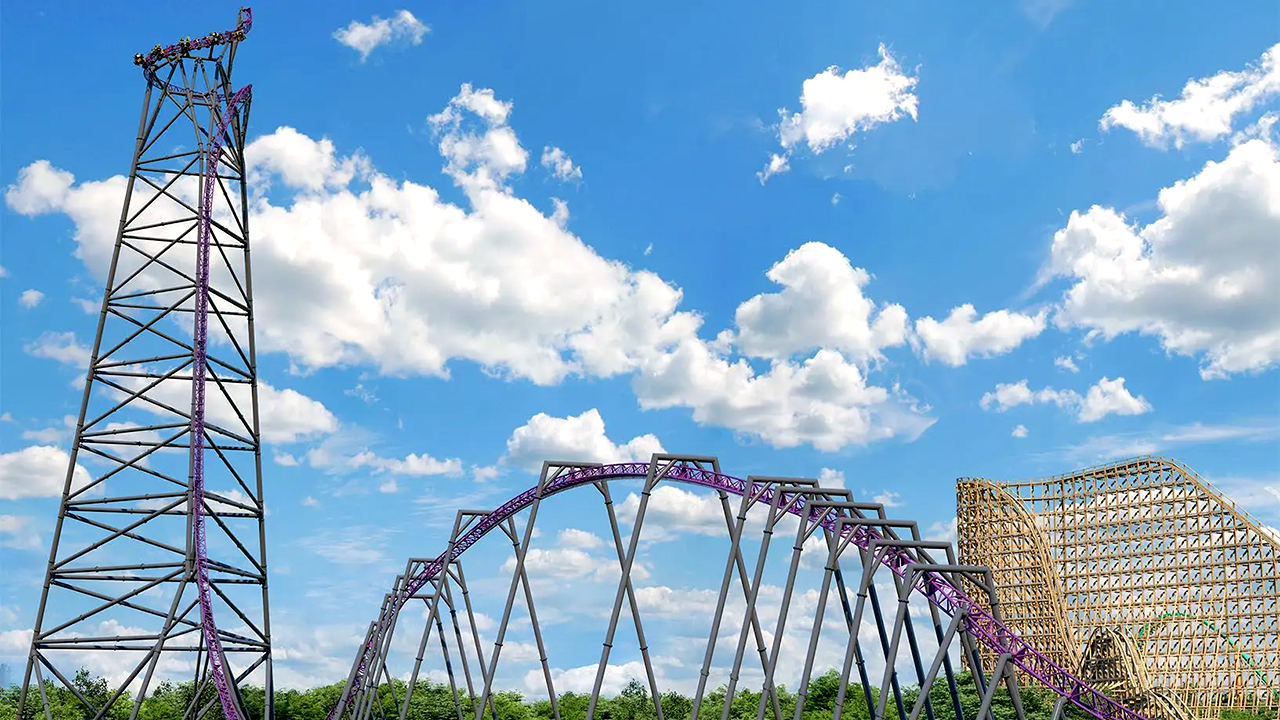
Image via Fox Business
Six Flags Is Building a Coaster That Sounds Like a Dare
Six Flags Great Adventure is rolling out Bakunawa, a 382-foot monster that’s being billed as “terrifying and amazing” and, to be fair, that’s a clean description. The spec sheet reads like an engineer and a stuntman teamed up after a long night: world’s first upside-down launch, free-spinning floorless trains, and a stack of record claims that’ll put it in rare air for sheer scale.
This isn’t just amusement-park one-upmanship, either. Big-ticket attractions are a strategy play: drive visits, lift season pass value, and sell the premium add-ons that keep margins fat when families are watching every dollar. In an economy where people hesitate on big purchases, experiences that feel “once-in-a-lifetime” still pull the wallet out—especially if the marketing gives folks a story to tell before they even arrive.
Theme parks are also quietly in a tech and ops arms race. The more complex these rides get, the more they rely on sophisticated control systems, maintenance regimes, and throughput optimization. Translation: the winners aren’t just building taller—they’re building smarter so they can run the thing all day without turning the maintenance bay into a graveyard of downtime.
🥃 Cole's Take: I love the ambition, but I only respect it if it runs reliably and moves people through. Records get you headlines; operations get you cash flow. If you’re investing around leisure and experiences, don’t fall for the tallest-story—follow the attach rates, per-cap spend, and repeat visitation. That’s where the real thrill lives.

Image via TheStreet
Akamai Gets a Fresh Target Reset—Wall Street Still Likes the Story, Just Not the Sticker Price
Morgan Stanley reset its price target on Akamai after a sell-off, while reaffirming an Overweight rating. That’s analyst-speak for: “We still believe, but we’re re-underwriting the path.” After a blockbuster deal earlier this year reshaped Akamai’s growth narrative, the stock is now being judged on execution, integration, and whether the new playbook can expand the company beyond its legacy identity.
Akamai sits at an interesting intersection: security, edge computing, and the infrastructure that makes modern digital businesses feel instant and safe. The market has been brutal to anything that hints at slowing growth or margin pressure, even if the long-term thesis is intact. When deals change the DNA of a company, you don’t just get a new revenue stream—you get a new risk profile, new cost structure, and a new timeline for proving it all works.
What’s happening here is bigger than one target note. Investors are forcing “infrastructure” names to earn their multiples again: show me durable demand, show me pricing power, show me a clean margin story. If not, welcome to multiple compression—where good companies can still be bad stocks at the wrong price.
🥃 Cole's Take: If you own Akamai, the only question that matters is whether the deal-driven growth story turns into repeatable, high-margin revenue—or turns into a permanent integration project. I’m willing to buy quality on a sell-off, but only if management is ruthless about focus and the numbers start telling the same story the slide deck does. Don’t marry the thesis; date it and demand proof every quarter.

Image via Forbes
Fed Day: A Hold Is the Base Case, but the Real Signal Is the Split
The Fed is widely expected to hold rates unchanged today, but the story is less about the decision and more about the dissent. Forbes notes the central bank appeared divided in the prior meeting, and that division matters because it changes how markets price the next six to twelve months. A unanimous hold feels like a steady hand. A hold with dissent feels like a fork in the road.
When policymakers disagree, the market stops listening to the headline and starts listening to the tone—press conference language, projections, and any hint of what would force the next move. If inflation looks sticky while growth shows cracks, you get the worst cocktail for investors: uncertainty about the cost of money and uncertainty about earnings durability. That’s when volatility stops being an event and becomes a season.
For portfolio decisions, a “hold” doesn’t mean “relax.” It means the hurdle rate stays high, cash still pays you, and any asset priced for perfection is living on borrowed time. The Fed’s split also tends to widen the gap between strong balance sheets and the companies that have been floating on cheap capital and optimism.
🥃 Cole's Take: In a divided Fed environment, I keep my playbook simple: stay liquid, own quality, and don’t chase what only works if rates fall on schedule. I’m not trying to predict a dot on a chart—I’m trying to avoid being forced to sell when the market throws a tantrum. Let the Fed argue; you protect your downside and wait for fat pitches.
📎 Forbes

Image via Backpacker
2,578 Miles, Zero Comfort: The PCT Record Is a Masterclass in Grit and Systems
Backpacker recounts Aurélien Sanchez’s latest Pacific Crest Trail record—2,578 miles of relentless forward motion, sleep deprivation, and setbacks that would break most people’s spirit. These FKTs aren’t just athletic feats; they’re logistics operations executed under stress: pacing, fueling, foot care, navigation, weather management, and problem-solving on the fly when the plan gets punched in the mouth.
What always stands out in these stories is the trade-off math. You can’t “want it” for 2,578 miles—you need a system that survives the lows. The gear choices, resupply strategy, and mental discipline aren’t accessories; they are the difference between finishing and falling apart. And the finish, as described, was nail-biting because even with preparation, the trail always gets a vote.
There’s also something refreshingly honest about endurance records: the scoreboard doesn’t care about your excuses. On the PCT, the trail doesn’t reward vibes. It rewards execution, consistency, and the willingness to keep moving when the romantic version of adventure wears off.
🥃 Cole's Take: This is the same mindset that builds real wealth: boring discipline, ruthless planning, and the humility to adjust when conditions change. The market is its own long trail—people quit when they’re tired or scared, not when they’re wrong. Take the lesson: set the system, respect recovery, and stay in the game long enough for compounding to do what it does.
Regulator 31: Fast Enough to Raise Your Pulse, Practical Enough to Earn Its Slip
Boating Magazine spotlights Regulator Marine’s fastest boat yet, the Regulator 31, powered by twin 450 Yamaha outboards. It’s built for speed, but it’s also built for purpose: fishability, versatility, and the kind of layout decisions that matter when you’re a long way from the dock and the weather isn’t interested in your schedule.
The interesting thing about modern center consoles is how they’ve become the Swiss Army knives of coastal living. They’re fishing platforms, family day boats, and weekend escape pods wrapped into one, with performance that used to require a much bigger hull and much bigger compromises. High horsepower gets the attention, but range, ride quality, storage, and usability are what turn a demo ride into an ownership decision.
This also sits inside a broader luxury and recreation trend: buyers still want the good life, but they want value in the form of capability. The folks writing checks for boats like this aren’t looking for a floating fashion statement—they’re buying a tool for time well spent.
🥃 Cole's Take: If you’re going to burn money, at least burn it on something that buys you real freedom. Fast is fun, but seaworthy and functional is what keeps you using it year after year. Just remember the hidden line items—maintenance, storage, insurance, fuel—and make sure the boat fits your calendar, not just your ego.
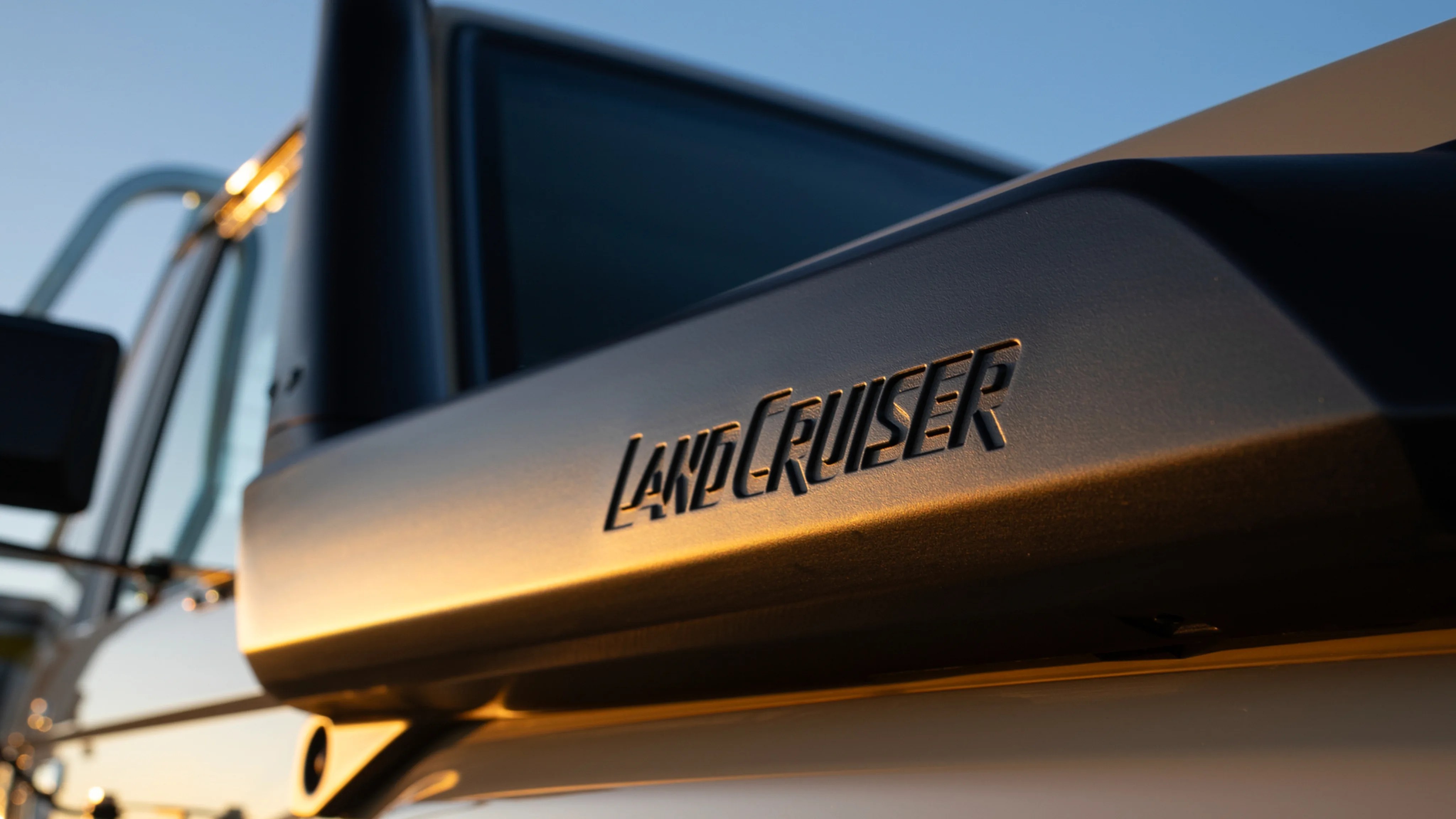
Image via Gear Patrol
Toyota’s Three-Door Series 70 Is a Reminder: Simple Still Wins
Gear Patrol highlights a unicorn most Americans forget exists: a three-door version of the Land Cruiser Series 70, still in production and, by the standards of modern trucks, surprisingly cheap. It’s compact, purpose-built, and refreshingly unbothered by the trend of turning every vehicle into a rolling touchscreen with a subscription fee.
The Series 70 is an antidote to the “eventual existence” promise of future products and concept hype. It’s real, it’s proven, and it’s designed to be used hard rather than admired in a driveway. For people who actually get outdoors—trails, campsites, gear, dogs, dust—there’s a deep appeal in a vehicle that prioritizes durability over drama.
From a market perspective, Toyota’s brand power comes from exactly this: a reputation for building machines that hold value because they keep working. In an era where depreciation can feel like a second car payment, simple and reliable becomes a financial feature, not just a lifestyle one.
🥃 Cole's Take: I’ll take proven engineering over flashy promises every time. The best “luxury” at this stage of life is confidence—knowing your truck starts, runs, and doesn’t surprise you with a four-figure repair because a sensor got moody. If you want a real asset in vehicle form, buy durability and let the resale market thank you later.
That’s the brief. Keep your powder dry for the market, keep your gear ready for the weekend, and don’t confuse excitement with value—on the trail or in your portfolio. See you Friday. Cole Hargrove Editor, The Balanced Brief
— Cole Hargrove