Sponsored By:
That "Trump Bump" Social Security raise? Already gone. Medicare premiums, gas, groceries — they've swallowed every penny before it hits your account. Meanwhile, your benefits have already lost 13.7% of their purchasing power since 2016, and the system would need to raise checks by 15.7% just to break even. You're getting $81. You needed $296.
Central banks have been quietly buying one specific asset at the fastest pace in 50 years — and JP Morgan now sees it hitting $8,000. Smart retirees aren't waiting on the next COLA. They're protecting what's left right now. Get the free guide and see the 3 steps disciplined retirees are using to outrun the inflation Washington can't stop.
Get the Free Wealth Preservation GuideThis is an advertisement from First Ballot. If you no longer wish to receive First Ballot promotionals, please let us know. Or write to: 5005 Lyndon B. Johnson Fwy. Suite 350, Dallas, TX 75244

Live Well. Invest Smart. No Apologies.
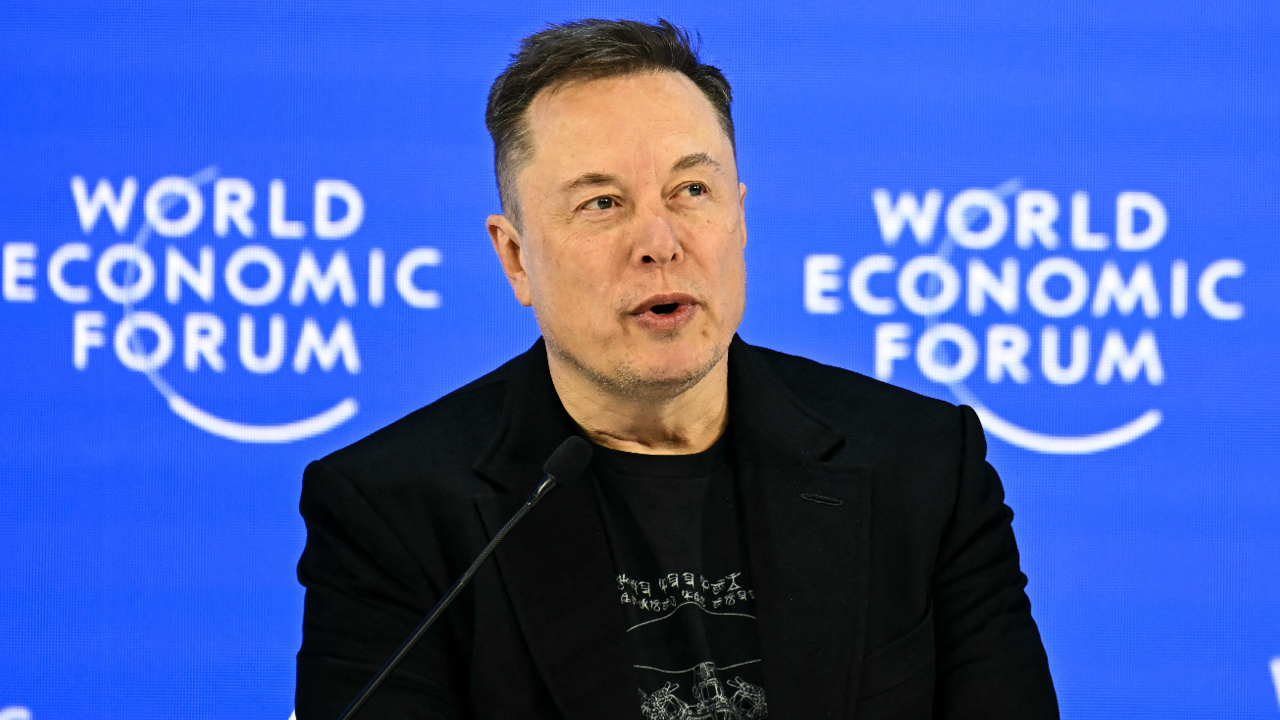
Image via Fox Business
Musk wants to gift every American child a SpaceX share next year. Big gesture, bigger questions.
Elon Musk says he plans to give every child in America a share of SpaceX next year, floating the idea in the wake of a public back-and-forth sparked by Anthropic’s talk of dedicating equity to public benefit. On its face, it’s classic Musk: theatrical, ambitious, and designed to bend the conversation toward his preferred topic—ownership and stakes, not just slogans.
What matters for readers isn’t the headline-grab; it’s the mechanics. SpaceX is private, highly valued, and structurally complex. A “share” can mean a lot of things: common vs. preferred, voting vs. non-voting, direct vs. trust-held, transferable vs. locked up. If it’s real, it’s a fascinating experiment in broad-based private-asset distribution. If it’s symbolic, it’s still a reminder that private markets have become where a lot of the compounding happens before the public ever gets a look.
This also lands at a moment when the public is increasingly sensitive to how AI and defense-adjacent tech companies shape society. The framing—equity for kids—tries to turn the usual critique of billionaire control into a populist ownership story. Whether it becomes policy-relevant, tax-relevant, or just a viral promise will depend on what, if anything, gets documented and executed.
🥃 Cole's Take: If Musk actually executes this in a clean, transferable, legally straightforward way, it’s a landmark moment for private-market access—and a headache for accountants everywhere. But until I see the structure, I treat it like most Musk declarations: a directional signal, not a deliverable. The investable takeaway is simpler: the best growth often lives in private assets first, and retail keeps arriving after the easy money’s been made.
Image via MarketWatch
Micron and the chip names bounce back. The trade is alive, but it’s not free anymore.
After a bruising selloff, Micron and other semiconductor stocks are showing signs of life, with investors bracing for a consequential week: Nvidia heading into a European conference circuit and Meta approaching earnings. When chips move, everything downstream moves with them—AI infrastructure, cloud capex, consumer devices, and the mood in the entire growth complex.
The bounce makes sense. Semis are where the market expresses both optimism and regret, often in the same session. If last month’s tape was about “too much, too fast,” this week’s action feels like “fine, but prove it.” The market is demanding confirmation: orders, margins, supply discipline, and a credible cadence for AI-driven demand that doesn’t rely on hype.
The key shift versus earlier cycles is that semis are no longer just a cyclical inventory story. They’re now part of national industrial policy, data-center arms races, and corporate survival budgets. That supports higher floors in certain names, but it also means drawdowns can be vicious when expectations get crowded.
🥃 Cole's Take: I respect the bounce, but I don’t chase it on pride. The cleanest way to play this is with position sizing that assumes volatility is the entry fee, not a surprise. If you own quality semiconductor exposure, let the winners work—but stop pretending these charts won’t punish sloppy timing.
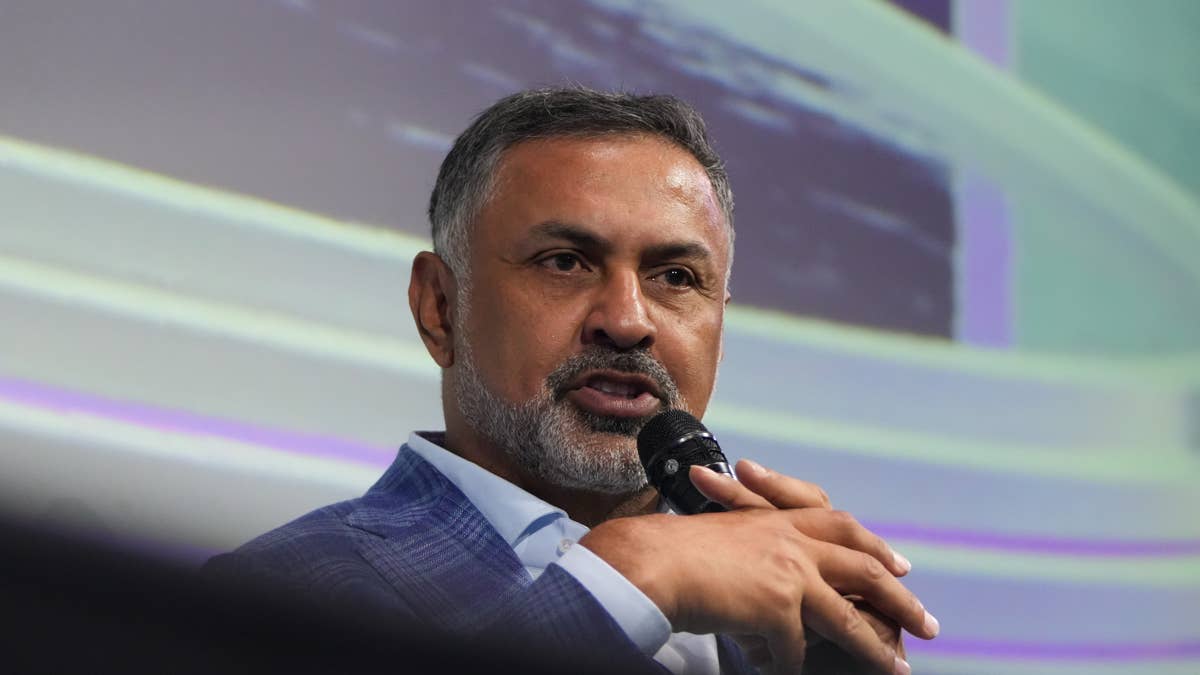
Image via TheStreet
Palo Alto’s CEO tells AI labs to stop selling fear. Cybersecurity investors should listen closely.
Palo Alto Networks CEO Nikesh Arora took a swing at AI labs, arguing they need to get out of the “fear-mongering business” after a warning circulated about rogue AI agents potentially spreading through everyday connected devices like smart TVs and kitchen appliances. The broader point: the narrative around AI risk is drifting toward Hollywood, and it’s not helping businesses secure real systems.
Arora’s practical argument is that security gets better with actionable threat models, not sci-fi hypotheticals. Companies need clarity on where AI expands attack surfaces—identity, endpoints, APIs, data permissions, and supply chain code—then need tools that reduce exposure without turning every board meeting into a panic session.
For investors, this is a tell. Cybersecurity is maturing into an outcomes business: measured reduction in incident cost, faster response, fewer privileged accounts, cleaner data governance. The vendors who can translate AI complexity into operational simplicity will win budgets, especially as CIOs try to fund AI projects and security controls out of the same pool of dollars.
🥃 Cole's Take: I’m with Arora: fear is a marketing tactic, not a strategy. The winners in cyber won’t be the loudest; they’ll be the ones that make security boring and measurable—less drama, more dashboards that actually move. If you’re investing here, favor platforms with distribution and retention, not one-trick “AI security” slogans.

Image via Off Road Xtreme
A 1959 Chevy Apache with Ford bones and Cummins muscle: the ultimate outlaw build.
Off Road Xtreme spotlighted a 1959 Chevy Apache 4x4 that’s basically a rolling argument against brand purity. Under the vintage sheetmetal sits Ford F-250 DNA, and the power comes from a Cummins turbodiesel—plus an eye-watering list of custom fabrication and modernized components.
This isn’t nostalgia for nostalgia’s sake. It’s a reminder that the best restomods aren’t restorations; they’re solutions. Modern drivability, real torque, reliable cooling, better steering geometry, stronger axles, and brakes that don’t require prayer. Done right, you get the look of a classic with the confidence of something you’d actually drive into the backcountry.
There’s also a quiet wealth story here. The high-end build market has become a parallel asset class: illiquid, taste-driven, and wildly sensitive to craftsmanship. The difference between “cool truck” and “serious value” is documentation, parts selection, and whether the build has a coherent philosophy instead of a catalog-dump approach.
🥃 Cole's Take: This is the kind of machine you buy when you’re done proving yourself and ready to enjoy the payoff. As an “investment,” it’s only smart if you’re buying quality and keeping it long enough that the smiles per mile matter more than resale. If it’s built right, it’ll hold value better than most toys—and it’ll sound a lot better doing it.
Hunt 56: a yacht walkthrough that screams craftsmanship, not excess.
Power & Motoryacht toured the Hunt 56, a new entry in the Ocean Series that signals a fresh chapter for Hunt Yachts under Chris DiMillo’s stewardship. The video makes the case that this isn’t just a new model—it’s a brand trying to modernize without losing the understated competence that made Hunt matter in the first place.
The appeal here is the same appeal that draws people to well-made gear in the outdoors: quiet confidence. Layout, finish, and function that prioritize time on the water over floating-nightclub gimmicks. For the buyer who actually runs the boat (or at least understands what it means to run the boat), this kind of design ethos is the point.
On the money side, the premium marine market continues to bifurcate: statement vessels for attention and serious boats for serious owners. Inflation in labor and materials hasn’t reversed, so replacement cost keeps climbing—one reason well-specified, well-maintained builds can surprise people on resale when the model line has staying power.
🥃 Cole's Take: If you’re going to park real capital in a luxury asset, buy the one that still makes sense when the “wow” wears off. The Hunt 56 feels like that: usable, timeless, and built for owners who value seamanship over spectacle. The best luxury is the kind you don’t have to explain.

Image via Car and Driver
2026 Cadillac Optiq RWD: proof that the simpler EV can be the better one.
Car and Driver tested the 2026 Cadillac Optiq in single-motor, rear-wheel-drive form and found it essentially matches the performance of last year’s dual-motor version. That’s a meaningful data point in a market that’s finally sobering up about what people actually use day to day.
The EV world spent a few years in an arms race: more motors, more power, more screens, more everything. Now we’re entering the phase where efficiency, weight, range realism, and price discipline start to win. If a single-motor setup delivers comparable real-world performance, that’s fewer components, potentially lower cost, and fewer things to go wrong outside warranty.
Cadillac’s broader challenge remains identity: translating luxury into an EV era without defaulting to gadgetry. Vehicles like the Optiq work when the basics feel premium—ride quality, cabin quiet, software that doesn’t act like a beta test, and a charging experience that doesn’t require a second career in troubleshooting.
🥃 Cole's Take: I’ve got no patience for paying extra just to say “dual motor” when the single-motor version does the job. If Cadillac can pair this setup with honest pricing and a clean ownership experience, it’s a smart buy for guys who want comfort and confidence, not a spec-sheet trophy. The best tech is the kind that disappears into the drive.
Cole Hargrove Editor, The Balanced Brief Live Well. Invest Smart. No Apologies.
— Cole Hargrove