Sponsored By:
🎃 The market has its own tricks — and October is full of them. Sudden momentum, unusual activity, and stocks making big moves before anyone else notices. Don't get caught off guard.
GuyStocks delivers real-time momentum alerts 🕷️, flags unusual stock activity 👻, and gives you clear, actionable insights ⚡🔎 — so you're ahead of the move, not chasing it. And it's 100% free to join 🆓.
Join GuyStocks Free TodayBy clicking the button above, you agree to receive emails from GuyStocks.com. You can opt out at any time. — Privacy Policy

Live Well. Invest Smart. No Apologies.

Image via Fox Business
An $8B Diesel Backstop for Farmers: Relief Now, Distortions Later
President Trump rolled out an $8 billion Harvest Fuel Relief program at a Kansas rally, aimed at offsetting a surge in diesel costs during harvest season. The pitch is simple: keep combines running and food moving while global supply disruptions and attacks on supply lines ripple through energy markets.
Diesel is the farmer’s oxygen, and harvest timing is non-negotiable. When fuel spikes, it doesn’t just dent margins; it forces ugly decisions on when to run equipment, how far to haul, and whether to store or sell. That cost ultimately shows up at the grocery store, which is why Washington keeps finding reasons to step in.
But subsidies are rarely “just for a season.” They set expectations, and they paper over the bigger problem: brittle energy logistics and a market that prices risk fast. The program may stabilize farm cash flow, but it also shifts the pain to taxpayers and delays the harder conversations about domestic refining capacity, transport constraints, and strategic fuel resilience.
🥃 Cole's Take: I get the politics and I get the math: harvest doesn’t wait for diesel futures to calm down. But the market signal matters, and bailouts can turn into a standing line item if energy insecurity stays baked in. If you’re investing, treat this as a reminder that volatility in real-world inputs (fuel, freight, fertilizer) is still the driver of food inflation, not your neighbor’s hot take on social media.

Image via MarketWatch
Meta’s Next Earnings Tell: AI Isn’t Just a Feature, It’s a Spending Regime
Meta heads into earnings season with momentum and something bigger than product updates on the table: guidance. MarketWatch flags the company as an early read on whether Big Tech is about to surprise investors with higher-than-expected AI costs next year.
The market has been willing to pay for AI narratives, but it’s getting less charitable about AI invoices. Training runs, inference at scale, custom silicon, data-center buildouts, and the power bill behind it all don’t behave like a normal software cost curve. When a company as scale-native as Meta starts talking about spend stepping up, every CFO in Big Tech hears the same thunder.
This is also the next phase of the AI trade: not “who has the best demo,” but “who can fund the infrastructure without wrecking returns.” Investors will parse capex, depreciation timelines, and any hint of margin pressure. And if Meta says costs are heading higher, suppliers of picks-and-shovels may get another leg up even as the platforms themselves face tougher scrutiny.
🥃 Cole's Take: If Meta opens the door to bigger AI spend, don’t act surprised when the rest of the street walks through it. The winners won’t just be the loudest model; they’ll be the companies that can turn compute into cash flow without permanently bloating capex. I’m still constructive on the ecosystem, but I’m more selective now: show me durable demand, pricing power, and an energy plan that doesn’t depend on wishful thinking.

Image via TheStreet
Quantum Gets a Price Tag Up Front, and That’s a Bigger Deal Than It Sounds
Postquant Labs is taking a swing at a practical problem in quantum computing: cost uncertainty. According to TheStreet, the startup wants users to see the price of a quantum computing job before they run it, challenging how incumbents like IBM and Amazon package quantum access.
That sounds like a billing tweak, but it’s really about adoption. Enterprises don’t mind experimentation; they hate open-ended meters. When you can’t estimate what a run will cost, quantum stays stuck in “innovation theater” budgets instead of operational planning.
If Postquant (or anyone) makes quantum pricing predictable, you’ll see more serious use cases move from dabbling to deployment planning. It also pressures the big platforms to standardize pricing and performance disclosure, which is what every market needs before it grows up.
🥃 Cole's Take: Transparent pricing is how niche tech becomes a real market. If quantum is going to matter outside research headlines, it needs the boring stuff: quotes, budgets, predictability, and procurement-friendly terms. As an investor, I’m not chasing quantum hype on timelines I can’t underwrite, but I am watching who builds the tollbooths and billing rails.

Image via Backpacker
Mt. Shasta: One Missed Turn Is All It Takes
Backpacker reports on a Mt. Shasta dayhike that turned into a 36-hour survival situation after a missed turnaround and an off-trail rescue. The story is a clean reminder that mountains don’t care what your plan was, only what your decisions are in real time.
A “quick dayhike” mentality is where trouble starts: light packs, thin margins, and a belief that fitness substitutes for navigation and weather judgment. Add fatigue, fading light, and a wrong drainage or ridge line, and you’re suddenly spending the night negotiating terrain instead of enjoying a post-hike burger.
Search and rescue is heroic, but it’s also a limited community resource. The best rescue is the one that never gets triggered: hard turnarounds, extra layers, a headlamp with fresh batteries, and the humility to say, “Not today.”
🥃 Cole's Take: This is the outdoors version of leverage: it works until it doesn’t, and then it fails fast. Build buffer into every hike the way you build buffer into a portfolio, because both are about surviving the bad stretch. If you’re going light, go smarter: navigation, communication, and a hard stop time are non-negotiable.
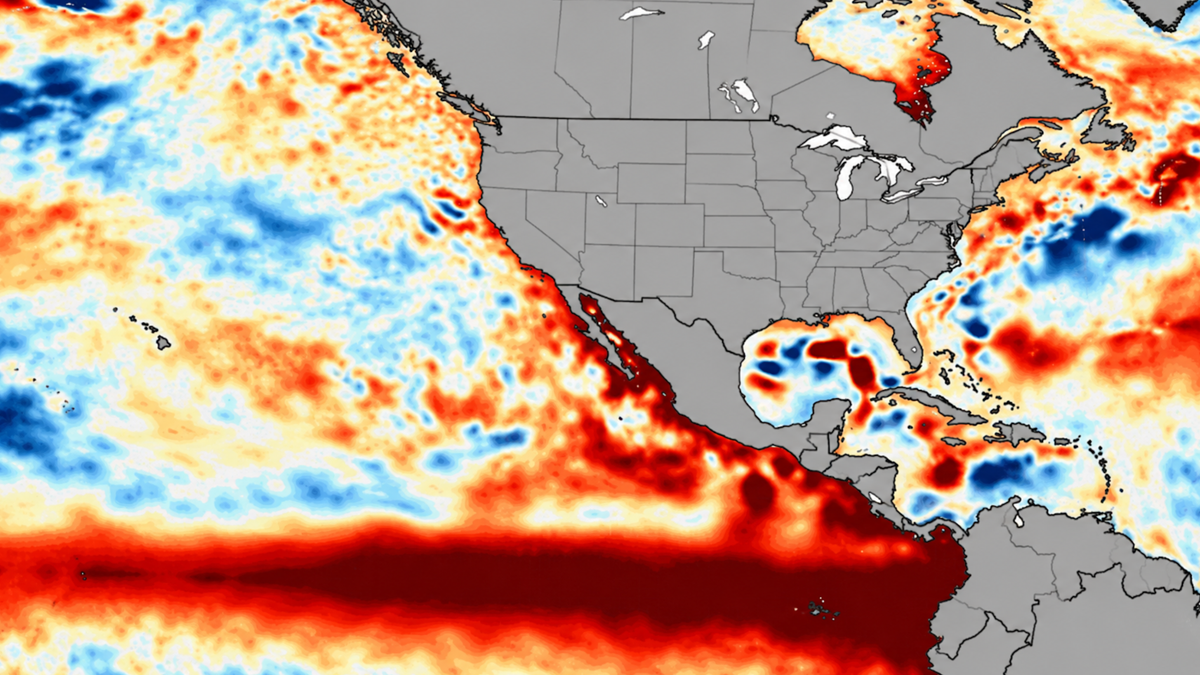
Image via Surfer
Kelvin Waves and Super El Niño: California’s Coast Is Getting Another Reminder Who’s in Charge
Surfer warns that “multi-headed monster” Kelvin waves are expected to keep pummeling California’s coast during a Super El Niño winter, with elevated sea levels and more waves likely ahead. In plain terms: the ocean is stacking the deck for stronger surge, higher water, and more damage potential.
When sea level sits higher, everything changes. Waves reach farther, storms bite harder, and infrastructure that was “fine” in an average season becomes fragile. For coastal communities, this isn’t just a surfer’s forecast; it’s a municipal budget and insurance issue.
For travelers and homeowners, timing and location matter. High tides plus storm swell turns scenic walkways into hazard zones and turns bluff erosion from a slow problem into a sudden one. And the financial aftershocks tend to show up later in premiums, rebuilding costs, and strained local services.
🥃 Cole's Take: If you own property near the water, stop thinking in terms of “once-a-decade storms” and start thinking in compounding risk. These climate-amplified patterns are quietly rewriting the cost of coastal living through insurance and maintenance, even before a major event hits. Beautiful views are great, but I’d rather pay for elevation than pay forever in repairs and premiums.
📎 Surfer

Image via GOLF.com
Five Tricky Lies in Golf, and Why They’re Basically a Risk-Management Seminar
GOLF.com shared instruction from Top 100 Teacher Kellie Stenzel on five tricky lies every golfer should know how to handle. It’s the stuff that wrecks a scorecard: uneven stances, the ball above or below your feet, bare or tight lies, and gnarly terrain that makes a normal swing a fantasy.
Good players don’t pretend the lie is fair; they adjust. That means accepting what the ground will do to the clubface, planning for how the ball will launch, and picking a target that respects the miss. Sometimes the best “shot” is choosing a boring swing that keeps big numbers off the card.
There’s also a mindset angle: you can’t negotiate with physics. The lie is information, not an insult. Read it, choose the highest-percentage play, and move on.
🥃 Cole's Take: Most amateurs lose strokes because they insist on hitting the hero shot off a lie that’s begging for humility. The smart play is boring: take your medicine, pick a conservative target, and keep momentum. Same rule in markets, same rule on the back nine: protect your downside and let consistency do the work.
📎 GOLF.com
Cole Hargrove The Balanced Brief Live Well. Invest Smart. No Apologies.
— Cole Hargrove