One CEO just put $19 million of his own money into his company's stock — on the open market, reported to the SEC, fully verifiable. He's not alone. While most investors watched headlines, a handful of CEOs were quietly making seven-figure bets on their own companies. We dug through SEC Form 4 filings and verified the largest CEO stock purchases of 2026 — real names, real dollar amounts, real dates, every one linked to the actual filing so you can check it yourself.
The free report includes six confirmed purchases, the CEO who bought his own stock five separate times this year, and the small-cap insider buying aggressively while his stock was getting crushed. No rumors. No vague teasers. Just the paper trail insiders are legally required to leave behind — and what it could mean for your next trade.
Get the Free Report Now →Clicking the link above subscribes you to future messages from Equiscreen, LLC and provides instant access to two additional bonus subscriptions from our marketing partners. Unsubscribe anytime. View Privacy Policy.

Live Well. Invest Smart. No Apologies.

Image via MarketWatch
Oil Jumps on Saudi Refinery Hit Reports — The Reminder No One Ordered
Crude prices pushed up toward seven-week highs after reports tied to a Saudi Aramco refinery being struck by Houthi rebels. Even when the physical damage is limited, the market trades the message: supply risk in the Gulf isn’t theoretical, and shipping lanes don’t need to close to get repriced.
WTI and Brent both reacted quickly, then edged off the highs — a familiar pattern when traders try to separate real disruption from headline momentum. But the direction matters: risk premium is back in the tape, and it tends to stick around longer than people expect when the situation sits anywhere near Hormuz.
🥃 Cole's Take: If you’re still treating energy as a boring sector you can ignore, you’re donating volatility to someone else. I don’t chase oil spikes, but I do keep energy exposure as an insurance policy when geopolitics heats up. The real play is discipline: size it like protection, not like a lottery ticket.
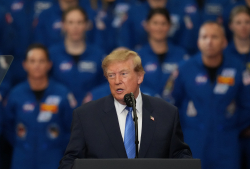
Image via RealClearMarkets
The Venezuela Angle: Cheap Barrels, Expensive Tradeoffs
A RealClearMarkets piece argues that a Trump-led deal to gain greater control over Venezuela’s vast oil reserves would improve reliability, cost, and security — the three pillars any serious energy policy should be judged on. The logic is straightforward: more friendly supply reduces vulnerability to chokepoints and hostile producers, and it can lower input costs across the economy.
But Venezuela isn’t a clean spreadsheet story. The country’s production capacity, infrastructure condition, and political risk are the whole ballgame, not footnotes. Any “control” narrative also runs into the realities of sanctions, contracts, and the time it takes to turn reserves into stable, investable output.
🥃 Cole's Take: I like energy security as a goal, and I like more non-OPEC supply as a concept, but I don’t like pretending Venezuela is a quick fix. If this turns into real barrels flowing under stable rules, it’s disinflationary and market-positive. Until then, treat it as political theater with optionality — not a base-case forecast.

Image via Yahoo Finance
Scott Galloway Takes a Knife to SpaceX Valuations — Here’s the Part That Matters
Scott Galloway offered a grim take on SpaceX’s stock price prospects, shining a light on a problem private-market fans like to ignore: price discovery doesn’t happen when you don’t have to face public buyers every day. SpaceX is a category-defining company, but even iconic businesses aren’t immune to the math of liquidity, sentiment, and what investors are willing to pay when the bid isn’t curated.
The broader story isn’t about one company — it’s about the private premium era colliding with higher-for-longer capital costs and more selective late-stage funding. When investors get cautious, the gap between “last round” valuation and “what it would clear at today” can get ugly fast.
🥃 Cole's Take: SpaceX can be extraordinary and still be overpriced at the margin — those are not competing truths. If you get access to private shares, respect liquidity risk like it’s a line item, because it is. I’d rather own great businesses at fair prices than great stories at prices that require perfection.

Image via GOLF.com
Walker Cup Drama and a Solheim Setup Worth Watching
GOLF’s Tour Confidential crew broke down an epic Walker Cup comeback by Great Britain & Ireland and turned the page to a Solheim Cup preview with the event headed to the Netherlands. Team formats always expose something that stroke play can hide: momentum is real, pressure is contagious, and one hot player can tilt an entire week.
The Walker Cup swing is also a reminder of why match play is golf’s best reality show — you don’t need perfect, you need timely. With Solheim next, the storyline isn’t just talent; it’s pairings, nerve, and who can turn a tight back nine into points without getting cute.
🥃 Cole's Take: Match play rewards emotional control more than swing mechanics, and that’s why I never miss these weeks. If you want a betting or viewing edge, stop overthinking rankings and start watching who thrives when a hole feels like it’s worth a paycheck. The best teams don’t avoid pressure — they weaponize it.
📎 GOLF.com

Image via Robb Report
Five-Star Holiday Stays Now Come With a Two-Week Catch
Robb Report notes a growing trend: luxury hotels increasing minimum-stay requirements around the holidays, in some cases pushing guests toward two-week commitments. The hotels are doing what airlines and cruise lines have done for years — using peak demand to lock in occupancy, simplify operations, and maximize revenue per available room.
For travelers, it’s a shift in leverage. The old playbook of snagging a few premium nights during Christmas or New Year’s is getting harder, especially at marquee properties where demand is global and high-net-worth calendars aren’t flexible — they’re booked.
🥃 Cole's Take: This is price power, plain and simple, and it’s not going away while luxury travel demand stays hot. If you want those properties, either commit early, use a travel advisor who can negotiate edges, or get comfortable choosing shoulder dates. Personally, I’d rather take five great nights off-peak than overpay for the privilege of being herded into a two-week requirement.
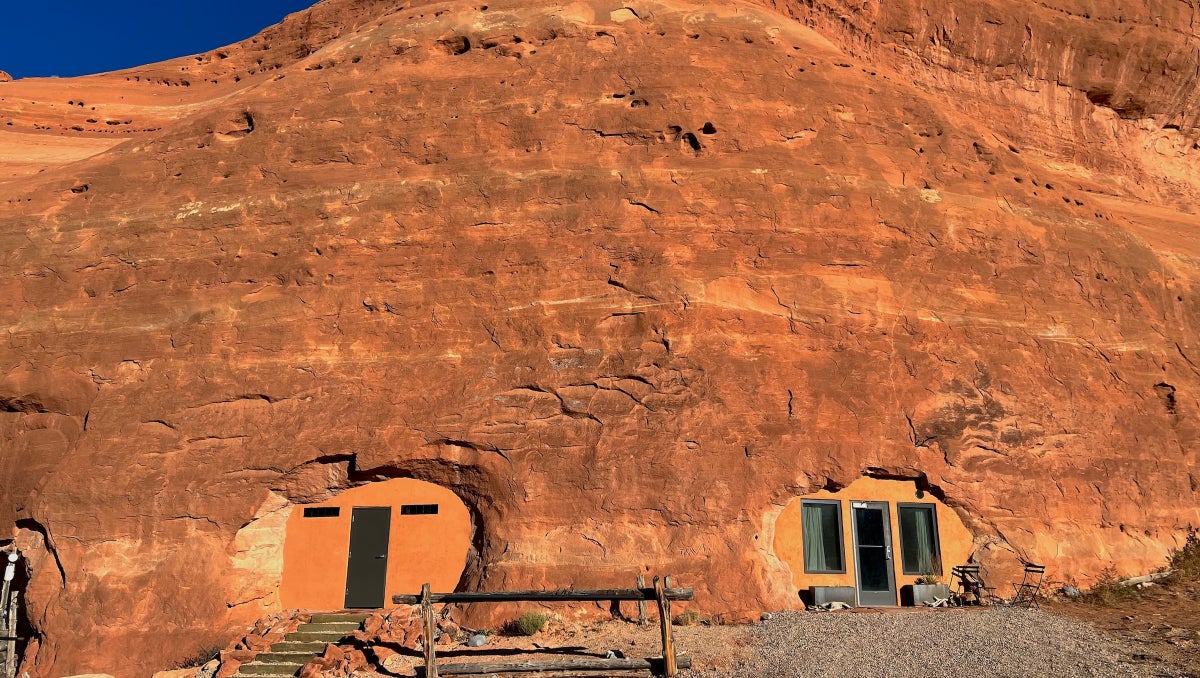
Image via Outside
Moab Lodging, From Dirtbag-Free to Desert-Polished
Outside lays out a practical, boots-on-the-ground guide to where to stay in Moab across the full spectrum — free and cheap camping, hostels, campgrounds, and up through river lodges and desert luxury. It’s written with the kind of credibility you only get after decades of repeat trips, where you’ve actually slept in the dust, not just photographed the red rock.
Moab is still one of the best places in America to earn your tired legs: early starts, big hikes, long rides, and sunsets that make you forget your inbox exists. But it’s also a place where planning matters more every year, because popularity has consequences — availability, crowding, and the growing difference between a restful basecamp and a noisy compromise.
🥃 Cole's Take: Moab is worth doing right, and “right” depends on what you’re there to chase. If you’re going hard outdoors, spend less on the room and more on time and access — sunrise starts beat thread count. If you’re taking a spouse or making it a reset trip, pay for comfort so the adventure doesn’t feel like punishment.
📎 Outside
Cole Hargrove The Balanced Brief — Live Well. Invest Smart. No Apologies.
— Cole Hargrove