Policy is already moving markets in 2026 — trade enforcement, regulatory shifts, and tax positioning are redirecting capital right now. Institutions reposition before the headlines catch up, and the window to act early is closing fast.
Our analysts identified 5 stocks showing real momentum tied directly to current administration policy themes — including the sectors benefiting most from domestic investment trends and regulatory tailwinds. Don't get left behind.
Get the Free Report Now(By following any of the links above, you're choosing to opt in to receive insightful updates from The Investment News Daily + 2 free bonus subscriptions! Your privacy is important to us. You can unsubscribe anytime. See our privacy policy for details.)

Live Well. Invest Smart. No Apologies.

Image via RealClearMarkets
What 50 Years of Dow Stories Really Teach You (And What They Don’t)
America’s 250th birthday has folks reminiscing about 1976, and Randall Forsyth uses that milestone as a clean lens for a messy truth: the Dow is less a scoreboard and more a diary. Over the last half-century you can trace oil shocks, Volcker’s war on inflation, the go-go 80s and 90s, dot-com, 2008, and the post-COVID everything-bubble in one long, uneven climb.
The point isn’t that the market goes up in a straight line. It doesn’t. The point is that the market absorbs national mood swings, policy mistakes, genuine innovation, and outright speculation, then eventually prices the winners and buries the tourists. The Dow’s story also exposes a quieter lesson: leadership rotates. What you thought was “forever” leadership in one decade can turn into dead money in the next.
If you lived through a few cycles, you know the real advantage isn’t a secret indicator. It’s staying invested with a plan, rebalancing when it feels uncomfortable, and keeping dry powder for moments when the headlines get dramatic and the spreads get wide.
🥃 Cole's Take: The Dow’s best lesson is humility: you can be right on the fundamentals and still get your face ripped off on timing. Build a portfolio that can survive policy whiplash and valuation hangovers, then let time do the heavy lifting. The only “hack” is staying solvent and patient long enough to be there when the next leadership regime shows up.
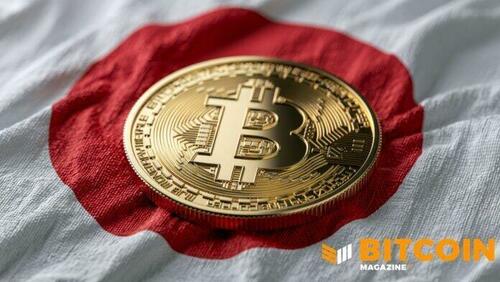
Image via ZeroHedge
Japan Just Gave Crypto a Grown-Up Label: Financial Asset
Japan’s parliament moved to reclassify bitcoin and other crypto as financial assets, a significant shift in how the country frames ownership, oversight, and market conduct. In plain English: this nudges crypto out of the “weird internet thing” bucket and closer to the same table where other investable assets sit.
That doesn’t automatically mean friendlier taxes or looser rules, but it does tend to mean clearer rules, more standardized disclosures, and fewer gray zones for institutions that want exposure without reputational roulette. Japan has a long memory of exchange blowups and retail pain, so when it formalizes a category like this, it’s usually aiming for tighter rails, not a free-for-all.
For investors watching global adoption, this matters because regulatory clarity is oxygen. The U.S. still fights over definitions; Japan just acted like a country that wants capital markets to function and innovators to know the boundaries.
🥃 Cole's Take: I like this move because markets run better when the rules are written down instead of argued on social media. If you want crypto exposure, clarity is bullish long-term but it also invites heavier compliance and less “wild west” upside. Own it like a volatile asset with a thesis and position sizing, not like a lottery ticket you pray over.
The PPI Head Fake: Energy Falls, Everything Else Keeps Getting Pricier
Headline producer price inflation cooled thanks to falling energy, but the underlying picture is the part that matters for real-world wealth. “Core” PPI accelerated to 4.7%, and services PPI is running around 4.6% too. That’s not a victory lap; that’s inflation migrating into places that don’t unwind quickly.
When services inflation stays hot, it tends to stick because it’s tied to wages, contracts, and the slow-moving machinery of how businesses price labor-heavy work. Goods can discount; services usually renegotiate. For markets, this is the kind of inflation profile that keeps central banks cautious and keeps real rates relevant.
For households, it’s also a reminder that “inflation is down” can be technically true while your actual cost of living keeps climbing. Energy volatility is loud; sticky services inflation is the quiet tax that shows up every month.
🥃 Cole's Take: If core and services PPI are pushing higher, don’t count on an easy glide path to cheap money. I’d rather own quality cash-flow businesses and keep some short-duration income in the mix than chase long-duration dreams on the assumption rates must fall soon. Inflation that hides in services has a nasty habit of overstaying its welcome.

Image via Outside
Grand Canyon, Grand Lesson: Adventure Is Optional, Preparation Isn’t
A 16-day Grand Canyon rafting trip is the kind of once-in-a-lifetime reset that reminds you there’s a world beyond screens and earnings calls. In this account, the trip ended with an ugly twist: severe pain, an ER visit, and a “mystery illness” that turned a dream run down the Colorado into a medical and logistical maze.
Outdoor travel has real risk, and not just the dramatic stuff like rapids or cliffs. Water exposure, sanitation, shared camps, heat stress, and bad luck can stack up fast, especially when you’re days from a road and your “urgent care” is whoever has the best first-aid kit in the group. The story is a sharp look at how quickly things can go from unforgettable to unmanageable.
The takeaway isn’t to stay home. It’s to treat backcountry logistics like you treat your finances: assume something breaks, plan redundancies, and respect the difference between inconvenience and emergency when you’re far from help.
🥃 Cole's Take: I love big trips, but I plan them like risk management, not romance. If you’re going remote, bring a real medical kit, a comms plan, and insurance that actually covers extraction, then hope you never use any of it. The older we get, the more “toughing it out” becomes an expensive hobby.
📎 Outside

Image via Robb Report
Miraval’s Mindfulness Pitch: Luxury That’s Less About Stuff, More About Reset
Miraval’s positioning is clear: high-end hospitality built around mindfulness, connection, and intentional living, with the Texas Hill Country adding a distinct western flavor. This isn’t just a spa menu; it’s a curated environment designed to slow you down, pull you off autopilot, and get you participating instead of consuming.
There’s a broader trend here: affluent travelers are shifting from acquisition to alignment. They’ll still pay for top-tier service, but the brag isn’t the thread count anymore, it’s the way they slept, moved, ate, and thought for a few days without the usual noise. That’s partly wellness, partly status, and partly a genuine response to modern burnout.
For anyone still grinding in markets or running a business, these places are effectively structured decompression. You’re buying time, boundaries, and a nudge toward habits you say you’ll do “when things slow down.”
🥃 Cole's Take: Wellness resorts can be overpriced theater, or they can be a smart investment in the asset you actually live in. If you’re stressed, sleeping poorly, or running hot all year, a reset like this beats another week of “vacation” spent scrolling and drinking. Just go in with an intention, not a shopping list.
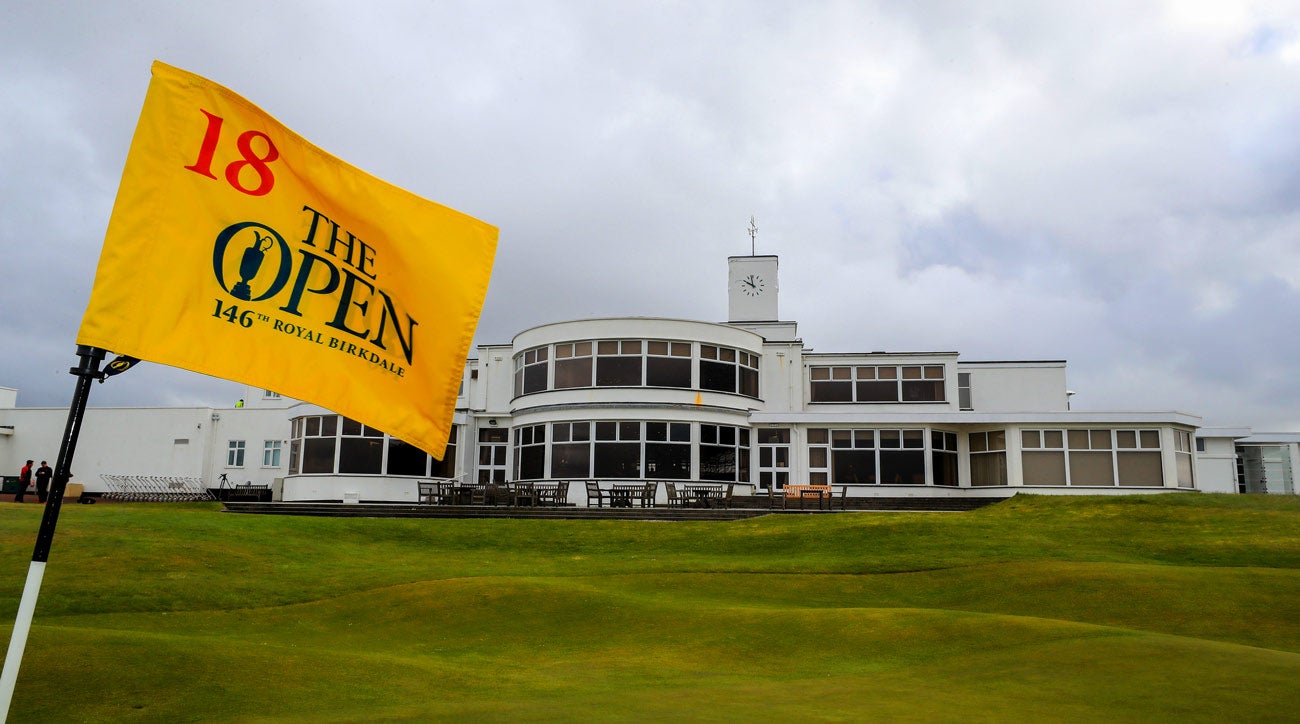
Image via GOLF.com
Royal Birkdale Isn’t Expensive. It’s Exclusive. Big Difference.
Royal Birkdale’s membership costs, on paper, aren’t the jaw-dropper people expect when The Open comes to town. The numbers can look almost reasonable relative to other prestigious clubs, which is exactly why the real barrier isn’t the fee schedule.
The real barrier is access: waiting lists, nomination culture, local ties, and the old truth that certain doors don’t open because you can pay, they open because you belong. Golf has always had that split personality. It’s a sport you can play with a public tee time, and a world you can’t buy your way into without relationships.
For the modern golfer, it’s a useful reminder: the best “value” in golf isn’t always the cheapest dues, and the best experiences aren’t always locked behind the fanciest gate. But the history, the championship pedigree, and the setting are why clubs like Birkdale stay on the bucket list.
🥃 Cole's Take: Don’t confuse affordability with availability. The best golf doors open with time, relationships, and reputation, and that’s not a bad thing if you respect the culture and play the long game. If you want great golf now, spend less energy chasing a crest and more energy building a travel rota of world-class public and resort tracks.
📎 GOLF.com
Cole Hargrove Editor, The Balanced Brief Live Well. Invest Smart. No Apologies.
— Cole Hargrove