In partnership with

Frontier models perform better in Attio’s agent harness.

We gave GPT-6 Astra the same job twice: analyze 100 sales calls and draft the follow-ups, once in Ask Attio and once in ChatGPT.
Ask Attio finished in 4 minutes 49 seconds. ChatGPT took 26 minutes 11 seconds, about 5.4 times as long.
The most ambitious GTM work requires more than frontier intelligence. It requires architecture that can put that intelligence to work at scale.

Live Well. Invest Smart. No Apologies.
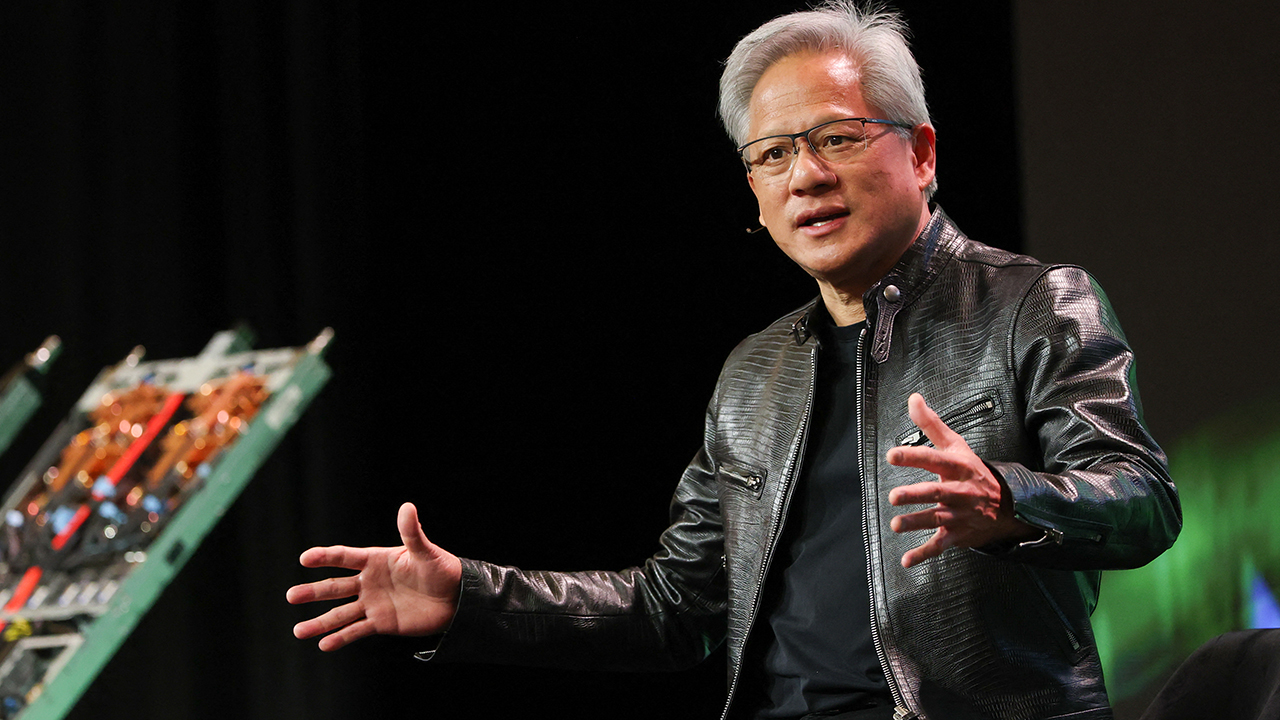
Image via Fox Business
Nvidia Loses Jensen Huang, and the AI Trade Just Got a New Risk Premium
Nvidia CEO Jensen Huang resigned after an internal investigation tied to his relationship with an alleged Chinese spy. However this resolves, the headline alone is gasoline on a market already wired to treat AI like critical infrastructure. When the face of the AI boom exits under a cloud, investors don’t wait around for footnotes.
The bigger point isn’t celebrity CEO drama. It’s governance and supply-chain geopolitics colliding with a company that sits at the center of global compute. Expect near-term volatility, tighter counterparty scrutiny across the ecosystem, and a louder Washington presence in anything that smells like advanced semiconductors, export controls, or China-adjacent relationships.
If you own the AI complex through Nvidia, hyperscalers, or the second-tier hardware names, understand what just happened: the narrative risk premium went up. In markets, perception can move faster than facts, and by the time facts arrive, the multiple has already changed.
🥃 Cole's Take: When a company becomes strategic, leadership becomes a security issue whether you like it or not. I’d treat this like a regime-change event: reduce position size if it’s become a lifestyle-sized holding, and don’t confuse “best product” with “bulletproof equity.” If you want AI exposure without single-name blowups, this is your reminder to diversify the rails: power, cooling, networking, and select software with real pricing power.

Image via ZeroHedge
Restaurant Bankruptcies Keep Spreading, and It’s Not Just Bad Menus
Two more major restaurant operators have reportedly gone bankrupt as the industry’s shakeout rolls on. The pain isn’t evenly distributed: the middle of the market is getting squeezed between higher labor costs, stubbornly expensive ingredients, and consumers who are still spending, just spending smarter. People will pay for either a true bargain or a memorable experience; the “fine enough” chain concept is the one getting chewed up.
Franchise-heavy structures also turn into trouble fast when traffic softens. Debt that looked manageable during easy-money years becomes a straightjacket when rates stay higher and refinancing gets real. Landlords aren’t as flexible, lenders get jumpy, and suddenly a few weak quarters turn into court filings.
This matters beyond eating out. Restaurants are a live read on discretionary spending, wage pressure, and household stress. When bankruptcies tick up, it’s a sign the consumer is still functioning, but the margins of the system are cracking.
🥃 Cole's Take: I don’t short a meal, but I also don’t romanticize the restaurant business as an investment. If you’re looking at consumer exposure, favor brands with pricing power, tight operations, and a balance sheet that doesn’t need perfect weather. For everyone else: this is a reminder to keep some dry powder and avoid financing your lifestyle like a private equity deal.

Image via Forbes
Starshield Limits Return, and Ukraine’s Drone War Meets a Private Gatekeeper
Ukraine’s president says restrictions on SpaceX’s Starshield service have returned, disrupting drone defenses and allowing Russian strikes to slip through. Starshield is the military-adjacent cousin to Starlink, and in a conflict where drones and real-time connectivity are oxygen, interruptions aren’t an inconvenience. They’re operational.
The uncomfortable reality is that modern warfare is leaning on commercial platforms faster than governments can build sovereign alternatives. That creates leverage, ambiguity, and risk: whose policy governs a battlefield network, what triggers limitations, and how quickly can a country route around it? Even when intentions are reasonable, the dependency itself becomes a strategic vulnerability.
For markets, this is another flashing sign that defense and communications are converging. Satellites, terminals, encryption, and resilient networks are no longer niche. They’re frontline assets, and the demand for redundancy is going to be a steady budget item for years.
🥃 Cole's Take: If a war effort can be throttled by a service update, the future is going to belong to redundancy. I’d expect allies to accelerate alternatives, multi-vendor architectures, and sovereign capacity, which is a long runway for secure comms, LEO competitors, and hardened drone systems. As an investor, I like the picks-and-shovels here, but I don’t like single points of failure—especially ones with a CEO and a boardroom attached.
📎 Forbes

Image via Robb Report
A Superyacht Eclipse in Egypt: When the Trip Becomes the Trophy
A 10-day superyacht journey through Egypt is being pitched as a prime seat for the August 2027 solar eclipse. It’s the kind of itinerary that blends history, warm water, and the one thing money can’t manufacture: celestial timing. You’re not just buying luxury; you’re buying a calendar moment.
This sits right at the intersection of what’s working in high-end travel: curated access, rarity, and comfort that doesn’t feel generic. The top of the market is still spending, but it’s spending on experiences that feel unrepeatable, not just expensive.
And yes, it’s a reminder that while parts of the consumer economy are under stress, premium experiences continue to command a premium. The bifurcation is real: value shoppers down low, trophy travelers up high, and less oxygen in the middle.
🥃 Cole's Take: If you’ve earned it and you’ll actually remember it, I’m not here to scold anyone for spending on a once-in-a-lifetime view of the universe. Just don’t confuse lifestyle flex with financial strategy: pay cash, keep your core portfolio boring, and treat luxury travel like a dividend you pay yourself, not a liability you drag around. The best trips feel even better when your balance sheet stays quiet.

Image via Car and Driver
The V-12 Maybach S680 Is Excess, and Excess Is Still a Product Category
Car and Driver tested the Mercedes-Maybach S680, calling it “too much,” and meaning it as a compliment. A V-12 flagship in 2027 is basically a rolling statement that comfort, isolation, and old-school status still sell, even in an era obsessed with screens and range estimates.
What’s interesting isn’t just the car; it’s what it signals about demand. At the high end, buyers still want craftsmanship and presence, and they’ll pay for the kind of engineering that feels unnecessary on paper but undeniable on a long drive. Luxury isn’t dead; it’s simply polarizing—strong at the top, pressured in the middle.
From a markets lens, this is another example of the “premium durability” theme: brands that can defend margin through identity and service hold up better across cycles. The volume may not be massive, but the profitability and customer stickiness can be.
🥃 Cole's Take: I love a good engine note, but I love compounding more. If you’re buying something like this, make sure it’s because you want it, not because you think it’s an “investment.” The real investment is owning the kind of cash-flowing portfolio that makes a Maybach a rounding error, not a monthly debate.

Image via GOLF.com
Ben Crenshaw on Distance: The Game’s Arms Race Is Forcing Designers to Choose Sides
Ben Crenshaw, a two-time Masters winner and respected course designer, weighed in on how the distance boom is shaping design decisions. Golf has always evolved, but the last couple decades have turned raw distance into a structural force: it changes angles, shortens hazards, and pushes courses toward more land, more length, and more cost.
Designers face a trade-off. You can chase modern distance with longer tees and stretched routing, or you can protect strategy with firm conditions, tighter landing zones, and architectural decisions that reward placement and imagination. The question isn’t just how far players hit it; it’s what kind of golf we want to watch and play.
For the everyday golfer, distance debates can feel abstract until your local club starts moving tees back, narrowing fairways, or raising dues to fund renovations. This is culture, but it’s also economics.
🥃 Cole's Take: I’m with Crenshaw’s generation on this one: the best golf isn’t a long-drive contest, it’s choices under pressure. If the sport wants to keep great courses relevant without turning every property into an airport runway, conditions and smarter design have to do more of the work. And for those of us paying memberships and greens fees, I’d rather fund good agronomy and thoughtful design than endless yardage inflation.
📎 GOLF.com
I’ll be out back tonight tending that overbuilt smoker and letting the market noise burn off. Keep your positions sized, your balance sheet clean, and your calendar stocked with things worth remembering. See you next issue. Cole Hargrove The Balanced Brief
— Cole Hargrove