Successful investing starts with better research. RushTheStreet cuts through the noise to spotlight companies in AI, small-cap equities, gold & silver exploration, biotech, and high-momentum markets — sectors where timing and insight matter most.
Join a community of informed investors getting free, in-depth research on the opportunities that could matter next. Don't wait for the headlines — get ahead of them.
Get Free Investment ResearchBy clicking the link above, you agree to receive emails from rushthestreet.com. You can opt out at any time. — Privacy Policy

Live Well. Invest Smart. No Apologies.

Image via Yahoo Finance
Futures Slide as Iran Risk Premium Returns and Yields Keep Climbing
Overnight futures pointed lower again with traders repricing headline risk tied to U.S.-Iran tensions. When geopolitics heats up, the first thing you see isn’t always oil on the screen—it’s a broader risk-off tone that hits tech multiples and anything priced for perfection.
At the same time, Treasury yields creeping higher keeps pressure on equities the old-fashioned way: discount rates. In plain English, when the “safe” rate rises, you need a better reason to pay top dollar for long-duration growth stories, and you get less forgiving about earnings quality and guidance.
This is the kind of tape that punishes complacency: small downdrafts can become air pockets when liquidity thins and everyone has the same hedge on. If you’re long, you want to know what you own, why you own it, and what you’ll do if the next 2% turns into 6%.
🥃 Cole's Take: Geopolitical risk is usually a tax on valuation, and higher yields are the receipt. I’m not rushing to sell quality, but I am trimming anything that only works when rates fall and headlines stay quiet. Keep some dry powder, tighten position sizes, and let the market prove it’s stable before you start swinging again.
ABC Sues the FCC: Disney Turns a Regulatory Fight Into a First Amendment Battle
Disney-owned ABC filed a lawsuit against the FCC, arguing the agency’s investigation and the posture around broadcast license renewals amount to retaliation tied to its programming. That’s a big escalation: it reframes a regulatory dispute as a constitutional issue and signals Disney is willing to fight this in court, not just in Washington hallways.
From a business perspective, broadcast licenses are the kind of “invisible asset” people forget about until it’s threatened. If the renewal process becomes politicized—or even perceived to be—capital markets start discounting stability, and management teams burn time and money playing defense instead of building.
This also lands in a broader moment when media companies are trying to stabilize linear TV cash flows while investing in streaming and sports rights. Regulatory uncertainty is the last thing you want while you’re already managing cord-cutting, ad cycle volatility, and cost discipline.
🥃 Cole's Take: If you’re going to run a public media company, you can’t have your license renewal feel like a loyalty test. Disney’s doing the right thing by forcing clarity, because ambiguity is a tax on every future strategic decision. As an investor, I don’t love regulatory knife fights—but I really don’t love a precedent where speech and licensing get braided together.
📎 CNBC

Image via Fox Business
OpenAI Builds a Teen ChatGPT Mode: Guardrails, Study Tools, and Parent Controls
OpenAI is building a dedicated ChatGPT experience for teens, with features aimed at safety and school use: stronger content guardrails for minors, parental controls, and study-focused tools like homework help. There are also concepts like quiet hours—an acknowledgment that “always on” is not automatically “always good,” especially for younger users.
This is a product move, but it’s also a reputation and regulatory move. Teen usage is where the scrutiny gets loud fast: bias, harmful content, overreliance, and privacy concerns. A separate teen experience is OpenAI saying, “We understand the stakes, and we’re designing for it,” instead of pretending one-size-fits-all.
If they get this right, it becomes a template for how consumer AI products mature: identity-aware, age-aware, and context-aware. If they get it wrong, it becomes Exhibit A in the next wave of rules that hit the whole sector.
🥃 Cole's Take: This is smart and overdue. The winners in consumer AI won’t just be the ones with the best model—they’ll be the ones with the best trust architecture. If you’ve got kids or grandkids, the “parent controls” aren’t a nice-to-have; they’re the price of admission.

Image via Gear Patrol
Monterey Car Week: Where Luxury Meets Loud Money and Real Product Signals
Monterey Car Week delivered its usual mix of debut glamour, collector theater, and the kind of rare-metal eye candy that makes you forget interest rates exist. The highlights weren’t just the headline unveilings; it was the ecosystem: boutique builders, restomod outfits, and high-end OEMs all competing for attention in the same zip code.
Underneath the champagne and carbon fiber, Monterey is a useful read on the luxury consumer. When the top end is confident, you see it in bespoke options, limited runs, and “because we can” engineering. When it’s not, you see safer launches, more heritage talk, and fewer price-flex moments.
It’s also a reminder that the car world is now part hardware, part software, part brand mythology. The winners aren’t just selling horsepower—they’re selling a story that survives resale values and algorithm-driven demand cycles.
🥃 Cole's Take: I watch Monterey the way I watch high-end real estate: it’s not the whole economy, but it’s an honest signal about wealthy appetite. When the top of the market is still commissioning toys, it tells you risk tolerance hasn’t broken—yet. If you’re investing in luxury names, focus on pricing power and backlog quality, not social buzz.

Image via Popular Mechanics
Great Lakes Lake Sturgeon: A 400-Year Reminder That Nature Plays the Long Game
New attention on lake sturgeon—anchored by decades of tagging data—suggests these freshwater giants may live well past 400 years. That’s not a typo. It’s the kind of lifespan that forces you to rethink what “recovery” and “conservation” mean when an animal’s timeline spans multiple human centuries.
The Great Lakes ecosystem has taken hits from overfishing, habitat loss, and industrial impacts, and sturgeon have been a symbol of both the damage and the potential comeback. Long-lived species tend to be slower to rebound because breeding cycles and population dynamics don’t respond to quick fixes.
For anyone who spends time on the water—fishing, boating, or just escaping city noise—this is a reminder that stewardship isn’t abstract. The lake you enjoy today is a balance sheet with liabilities that compound quietly.
🥃 Cole's Take: A 400-year animal makes your quarterly mindset look ridiculous, and that’s the point. Whether it’s environmental policy or portfolio construction, durability beats flash when you extend the time horizon. Protect the habitats you use, and invest like you want your future self to still recognize the world you’re building.
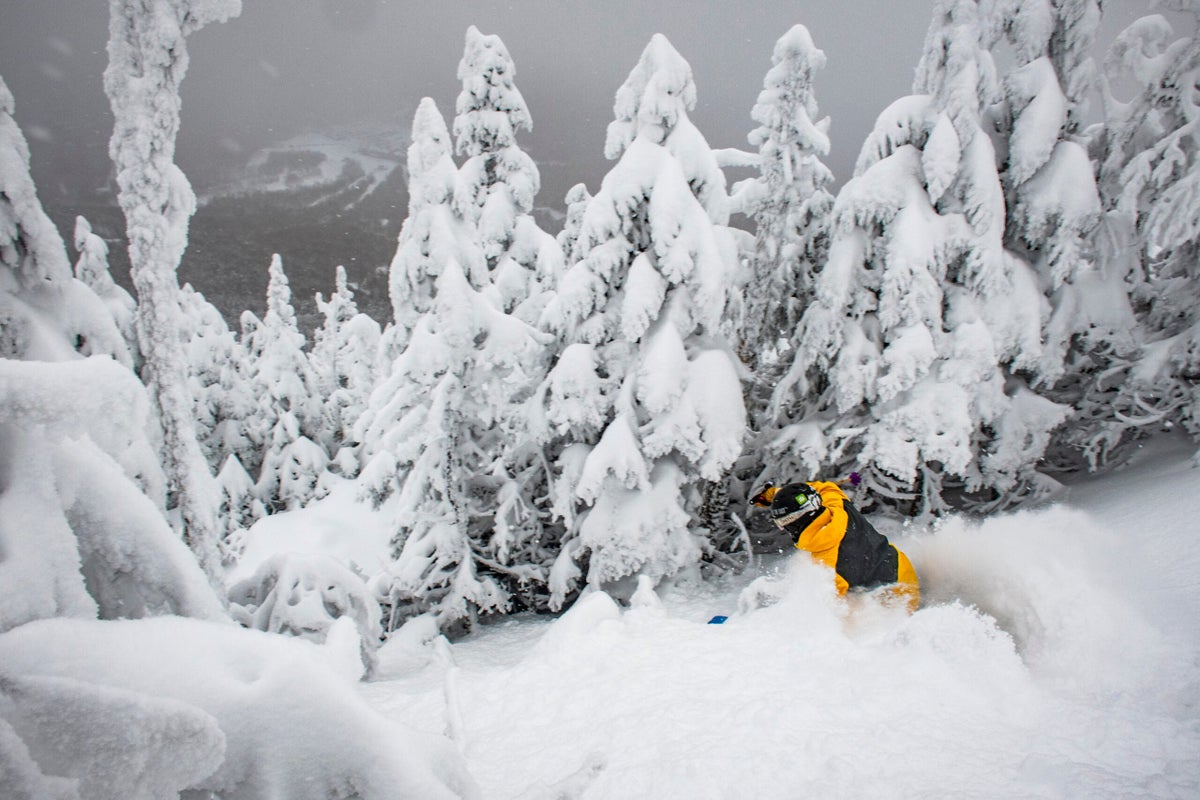
Image via Outside Online
Farmers’ Almanac Calls for a Rowdy Winter: Good News for Snow, Risky for Travel Plans
The Farmers’ Almanac long-range outlook for winter 2026–27 points to an active southern storm track, frequent cold snaps, and plenty of precipitation. For skiers, that’s the kind of headline that lights up group chats—because the right storm track can turn a mediocre season into a banner year.
The catch is timing and temperature. A stormy pattern doesn’t automatically mean great snowpack everywhere; it can mean rain events, freeze-thaw cycles, and travel disruptions if the cold air doesn’t line up with the moisture. If you’ve ever booked a “can’t miss” week that turned into slush and wind holds, you already know.
For mountain towns and operators, volatility is the real story: staffing, road access, and demand spikes all get harder to manage when conditions swing. For travelers, flexibility is a financial strategy as much as a lifestyle one.
🥃 Cole's Take: If you want the best snow, build a plan that can move. I’d rather book cancellable lodging, watch the 10-day window, and pounce on a storm than lock a perfect calendar week six months out. A “wild ride” winter rewards flexibility and punishes fixed schedules—same as markets.
That’s the brief. Keep your risk tight, your powder dry, and your next trip flexible enough to chase the best conditions—on the mountain and in the market.
— Cole Hargrove