While other sectors stall, AI investment is accelerating — showing up in earnings calls, corporate budgets, and real-world deployment. Capital is quietly concentrating around companies with clear demand and long-term relevance, and selective opportunities are forming right now.
A new research brief identifies 2 AI stocks trading under $15 that may be positioned for the next phase of growth — including key developments that could move these names in the months ahead.
Get the Free AI Stocks ReportBy following the link above, you're choosing to opt in to receive insightful updates from Investing Ideas Daily + 2 free bonus subscriptions! Your privacy is important to us. You can unsubscribe anytime. See our privacy policy for details.

Live Well. Invest Smart. No Apologies.
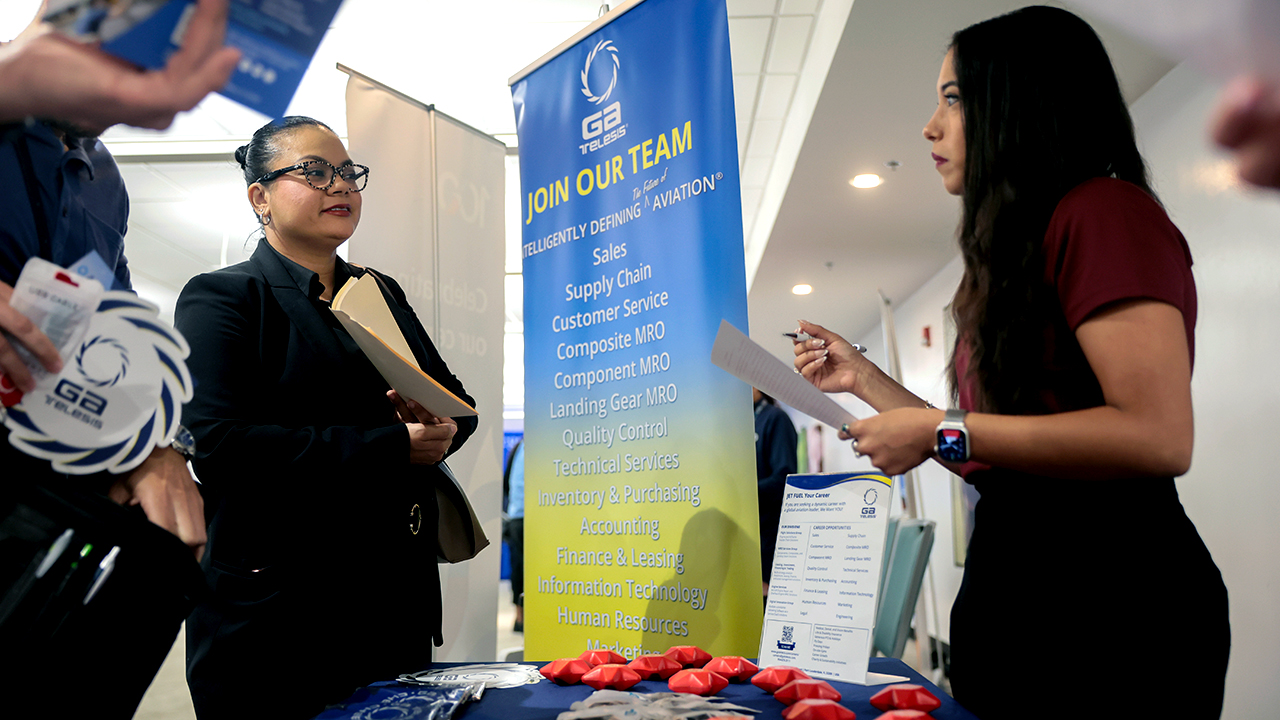
Image via Fox Business
ADP’s July jobs print says the labor market is cooling, not collapsing
Private payrolls added 44,000 jobs in July, according to ADP, well under expectations for 70,000. Just as important, June was revised down to 95,000, which reinforces the direction of travel: slower hiring momentum, less froth.
This isn’t a “fell off a cliff” number, but it is the kind of deceleration that changes behavior. Companies don’t have to start firing for the economy to feel different; they just have to stop adding bodies, stretch budgets, and get more selective. The market will immediately translate this into rate expectations, but Main Street will translate it into fewer opportunities and slower wage leverage.
Keep your eyes on the follow-through: hours worked, wage growth, and revisions. In turning points, the first print grabs headlines and the revisions quietly confirm the trend.
🥃 Cole's Take: If you’ve been waiting for the labor market to stop acting like it’s 2021, this is what it looks like: not panic, just less appetite. I wouldn’t bet the farm on one ADP release, but I am treating it as permission to keep quality high and leverage low in my portfolio. In plain English: cash isn’t cowardice when hiring is rolling over.
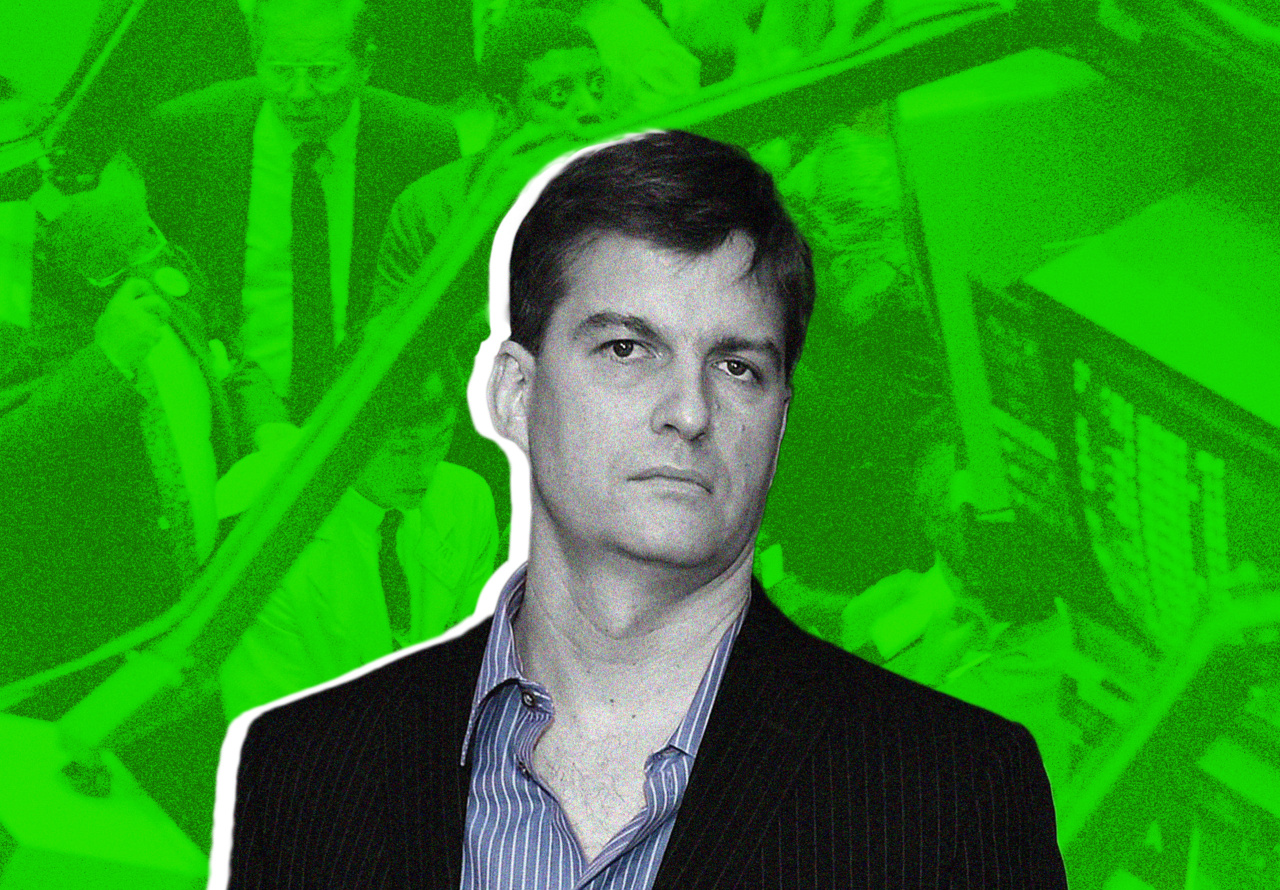
Image via MarketWatch
S&P hits a fresh high and Burry’s waving the 1987 flag—worth listening, not obeying
The S&P 500 pushed to a new high, and Michael Burry is out warning about a 1987-style fall, pointing to the kind of setup where a strong run can turn into a fast, air-pocket drop. He’s also sticking with bearish views on parts of tech, which tells you he’s not buying the “AI fixes everything” narrative at today’s prices.
1987 wasn’t about a recession first; it was about positioning, structure, and speed. Today you’ve got index concentration, crowded winners, and a market that can reprice in hours when volatility wakes up. Add the modern accelerants—options flows, systematic strategies, and ETFs—and the “how” of a sudden downdraft is easier than most people want to admit.
That said, a warning isn’t a forecast. New highs can be a sign of strength, and the market can stay expensive longer than the average investor can stay patient—especially if earnings and liquidity cooperate.
🥃 Cole's Take: I don’t trade my life off doomsday analogies, but I do respect them as stress tests. If you can’t stomach a 10 to 15 percent drop without making bad decisions, you’re overexposed, period. Trim what you wouldn’t buy today, hedge what you can’t sell, and keep dry powder for the day the market offers quality at a discount.

Image via Forbes
The media’s AI honeymoon is ending, and that’s healthy for investors
Forbes notes a shift in British broadcast media coverage of AI, moving from enthusiastic framing to more skeptical scrutiny of costs, risks, and real-world outcomes. That’s a natural phase change: early stories celebrate possibility; later stories interrogate consequences.
This matters because sentiment drives policy, and policy drives budgets, adoption timelines, and liability. The questions now getting airtime—bias, labor displacement, copyright, safety, energy use, and who pays when systems fail—aren’t anti-innovation. They’re the grown-up topics that arrive right when AI starts touching regulated industries and mission-critical decisions.
For markets, the transition from hype to evaluation is where leadership changes. The winners aren’t always the loudest model demos; they’re the companies that can deploy AI profitably, defend their data, and survive compliance without crushing margins.
🥃 Cole's Take: Skepticism is a feature, not a bug—especially when everyone and their cousin is slapping “AI” on a deck to raise money. I’m still bullish on the picks-and-shovels layer (infrastructure, security, data plumbing), and I’m cautious on “AI as magic” business models that can’t explain unit economics. When the media tone hardens, it usually means the easy money phase is over.
📎 Forbes

Image via GOLF.com
Cameron Smith says he’d head back to the PGA Tour if LIV folds—this is the endgame talking
Cameron Smith acknowledged that if LIV Golf doesn’t survive the year, he would pursue a return to the PGA Tour, describing it as where everyone would want to be. It’s a remarkably candid statement in a world where most of these conversations happen through agents, lawyers, and carefully timed leaks.
The subtext is simple: tours are platforms, and platforms need stability—sponsors, media rights, player pathways, and fans who know what they’re watching. If LIV’s long-term structure can’t hold, players will naturally gravitate back to the ecosystem with the deepest competitive history, the biggest week-to-week relevance, and the clearest route to legacy.
For fans, this isn’t just gossip. It affects fields, majors preparation, and whether the sport feels like one coherent season or three competing product lines fighting for attention.
🥃 Cole's Take: I get why guys took the money—anyone honest does—but history still matters in golf, and so does a real schedule that means something. If LIV is wobbling, the Tour has leverage again, and players will quietly choose relevance over novelty. My bet is we end up with a reunification that looks a lot more like the PGA Tour’s world than anyone admitted two years ago.
📎 GOLF.com

Image via Car and Driver
Ferrari’s Amalfi Spider is selling presence, not transportation
Car and Driver took the 2027 Ferrari Amalfi Spider for a drive and came away with the same conclusion Ferrari keeps packaging better than anyone: the point is to live in the moment. This is positioned as an entry-level GT convertible, but “entry-level” in Maranello language still means serious performance, sharp tuning, and a cabin engineered to make you forget your inbox exists.
The appeal isn’t just speed; it’s the way a great drop-top changes time. Top down, engine talking, road noise calibrated just enough to feel alive—suddenly you’re not optimizing anything. You’re experiencing it. That’s a luxury people with real responsibilities understand on a cellular level.
In a world sliding toward automation—self-driving promises, AI assistants, predictive everything—cars like this are a counterstatement. They’re about choosing to be the driver, not the passenger.
🥃 Cole's Take: This isn’t a “needs” purchase; it’s a “this is what I worked for” purchase, and those are allowed if your balance sheet can take the hit. If you’re considering something like this, pay cash or be honest about the financing cost—high rates turn toys into anchors. And if you do buy it, use it; garage-queen ownership is the quickest way to turn joy into a spreadsheet.

Image via Outside
Michigan’s Upper Peninsula is the kind of reset you can’t buy on a trading screen
Outside spotlights Michigan’s Upper Peninsula as a world-class nature escape, with colorful shorelines and waterfalls that feel almost staged. The U.P. has that rare combination: big water views, deep forest quiet, and enough rugged texture to make you feel like you actually went somewhere.
It’s also a reminder that great trips don’t have to be complicated. You can build a week around hikes, shoreline drives, cold swims, and campfire meals, then punctuate it with a decent local bar and a good night’s sleep. No velvet rope, no dress code—just space.
If you’re the kind of guy who measures life in quarters and performance, this is the antidote. The landscape doesn’t care about your P&L, and that’s exactly why you should go.
🥃 Cole's Take: I like trips that lower the noise floor, and the U.P. does that fast. Put it on the calendar like it’s a board meeting, because “someday” is where good years go to die. Bring solid boots, a simple plan, and enough time to sit still—your best ideas tend to show up when you stop chasing them.
📎 Outside
That’s the brief. Protect the downside, enjoy the upside, and don’t outsource your life to a market tape. I’ll be watching the next jobs prints, volatility signals, and the IPO calendar—then I’m taking the long way home past the back nine and the smoker.
— Cole Hargrove