Policy is already moving markets in 2026 — trade enforcement, regulatory shifts, and tax positioning are redirecting capital right now. Institutions reposition before the headlines catch up, and the window to act early is closing fast.
Our analysts identified 5 stocks showing real momentum tied directly to current administration policy themes — including the sectors benefiting most from domestic investment trends and regulatory tailwinds. Don't get left behind.
Get the Free Report Now(By following any of the links above, you're choosing to opt in to receive insightful updates from The Investment News Daily + 2 free bonus subscriptions! Your privacy is important to us. You can unsubscribe anytime. See our privacy policy for details.)

Live Well. Invest Smart. No Apologies.
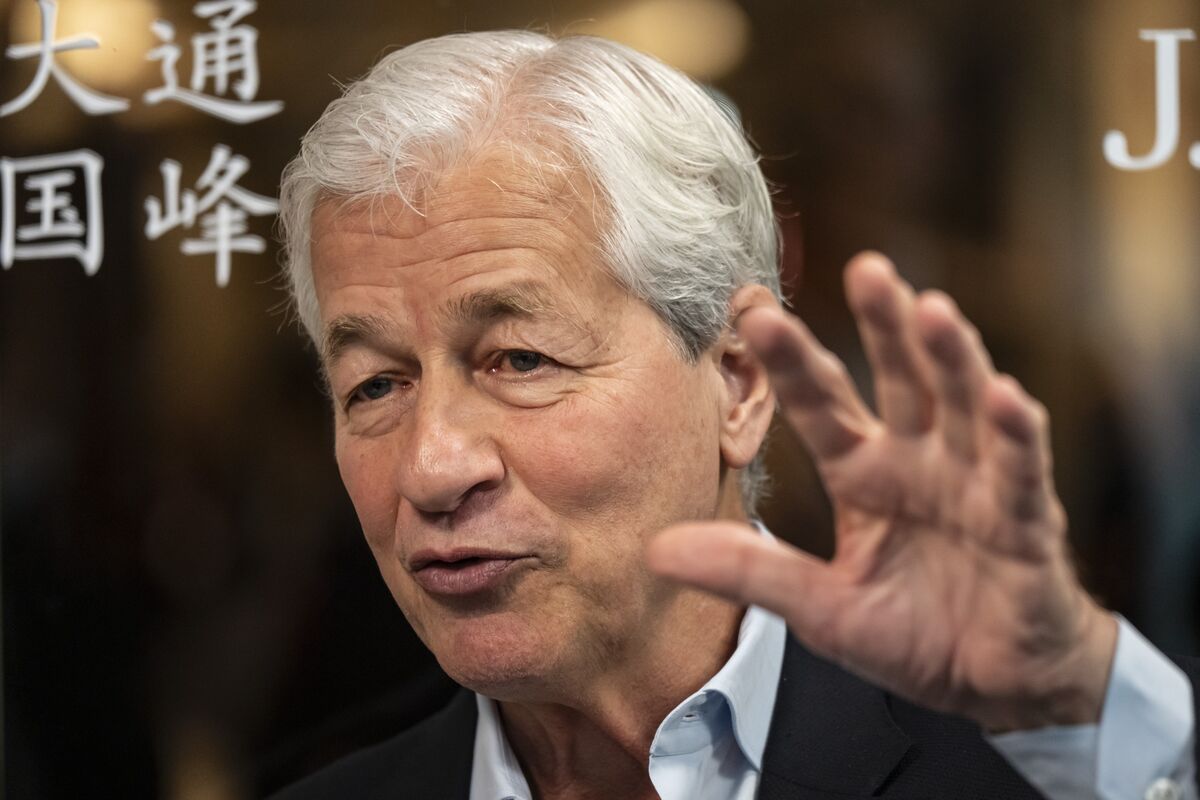
Image via Bloomberg
Banks Ace Stress Tests They'd Rather Not Take
The big banks sailed through the Federal Reserve's annual stress tests Wednesday, proving once again they can withstand hypothetical disasters while simultaneously lobbying to kill the whole exercise. JPMorgan, Bank of America, Goldman Sachs, and the rest of the usual suspects all cleared the bar with capital ratios that suggest they could weather a severe recession without breaking a sweat.
Goldman's equities traders, meanwhile, are on pace to hit $5 billion in revenue — a number that tells you everything about where the money is flowing in 2026. When the trading desks are printing cash like this, it's not because markets are boring. It's because volatility creates opportunity, and the house always has the edge when they're playing with other people's money and a balance sheet this solid.
The banks will complain about regulatory burden right up until the next crisis, at which point everyone will pretend these tests were the only thing standing between us and another 2008. The truth is somewhere in the middle, but for now, financials look stable enough to weather whatever's coming — and they're distributing capital back to shareholders because of it.
🥃 Cole's Take: If you're holding the big banks, this is permission to stay put. The stress tests are theater, but they're theater with real capital requirements behind them. Goldman printing $5 billion in equities trading tells me smart money is still rotating aggressively — and that means opportunity if you know where to look.

Image via MarketWatch
Twenty S&P Stocks Analysts Think Will Bounce Double Digits
Analysts have compiled a list of 20 S&P 500 names they believe are poised for double-digit gains over the next twelve months, and here's the kicker: only one of them has actually risen this year. That one? Nvidia. The rest are laggards, beaten down, or simply ignored while the market chased the obvious momentum plays.
This is the kind of list that separates real analysis from noise. When 19 out of 20 "high conviction" stocks are underperforming, you're either looking at a contrarian shopping list or a graveyard of bad calls. The difference comes down to whether the thesis behind each name still holds water. Nvidia's inclusion isn't surprising — it's the only chip play that's still delivering on the AI infrastructure buildout that everyone talks about but few companies actually monetize.
The danger with these lists is always the same: analyst ratings lag reality. By the time consensus builds around a comeback story, the easy money is often gone. But if you're willing to do the work — read the actual earnings calls, understand the sector rotation, and separate real operational improvement from hope — there's usually one or two names worth a closer look.
🥃 Cole's Take: I want to see the full list before I get excited, but the pattern is clear: analysts are betting on mean reversion in a market that's been anything but mean-reverting. If you're hunting value, focus on the names where the business model actually changed for the better, not just the ones that got cheap.
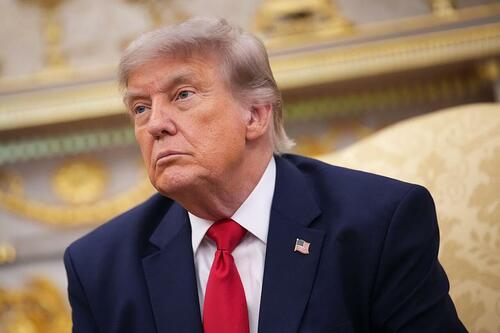
Image via ZeroHedge
Trump Wants $88 Billion for Iran, Farms, and Ebola
President Trump dropped an $88 billion supplemental funding request on Congress Wednesday, and the breakdown tells you exactly where the administration's priorities sit in mid-2026. The bulk goes to Iran-related military operations, with substantial allocations for farm aid and an Ebola response package that suggests someone in the intelligence community is more worried about West Africa than they're saying publicly.
This is the kind of headline that moves defense contractors, ag equipment makers, and biotech firms in the containment and vaccine space. It's also a reminder that geopolitical risk isn't theoretical anymore — when the White House asks for $88 billion in supplemental funding, markets start pricing in scenarios that were background noise six months ago.
The farm aid component is interesting. It's either a genuine response to agricultural stress — drought, commodity price swings, or trade disruption — or it's a political play in an election cycle. Either way, if you're holding ADM, Deere, or any of the major ag plays, this is a tailwind. The Iran funding is harder to parse, but it's a safe bet that Lockheed, Raytheon, and Northrop Grumman will find a way to participate.
🥃 Cole's Take: Follow the money. Defense and ag stocks just got a signal, and the Ebola line item is the one nobody's talking about but should be. If there's an emerging health threat serious enough for this kind of ask, the biotech containment plays are worth a look before the headlines catch up.
Kawasaki Built a Jet Ski for Serious Fishermen
Kawasaki's Angler Jet Ski just got put through its paces in Florida waters — both offshore and inshore — and the verdict is in: this isn't a toy with a rod holder. It's a legitimate fishing platform that happens to get you to the spots bigger boats can't reach. Built-in tackle storage, a cooler system that actually works, and enough stability to stand and cast without feeling like you're about to swim.
The real-world test covered everything from flats fishing to running out past the reef, and the machine handled both. For anyone who's spent time in a $70,000 flats boat or fighting for a ramp spot on a Saturday morning, the appeal is obvious. You're looking at a fraction of the cost, no trailer hassle, and access to skinny water that most anglers only dream about. The jet drive means you're not destroying habitat or worrying about prop strikes in turtle grass.
This is part of a broader shift in how people are thinking about outdoor recreation. Lighter, more versatile, less about the statement and more about the experience. If you're near the coast and you fish more than twice a month, this setup pays for itself in aggravation saved alone.
🥃 Cole's Take: I've been watching the personal watercraft market evolve, and this is the kind of product that creates a new category. Kawasaki isn't trying to replace your center console — they're giving you a tool for a different job. If you fish and you hate crowds, this is worth a demo.

Image via Car and Driver
Finally, a Beach Buggy That's Not Another Damn Golf Cart
A Portuguese company called Amble just launched the One, an electric beach buggy that looks like someone actually thought about design instead of just slapping seats on a chassis and calling it transportation. It's a deliberate counter to the anonymous hotel shuttle golf cart that's become the default for beach towns, gated communities, and anyone who wants to move around without firing up a full-size vehicle.
The One is electric, which makes sense for the use case — short range, frequent stops, minimal maintenance. But what sets it apart is the attention to detail: real seats, actual suspension, storage that's useful, and a build quality that suggests it might last longer than the average golf cart's three-year fade into rattle and rust. Amble is positioning it as lifestyle transportation, which is marketing speak for "something you don't mind being seen in."
The market for this is more real than it looks. Between coastal property owners, resort operators, and the growing number of people living in car-optional communities, there's demand for something better than a glorified lawn cart. If Amble can get distribution right and keep the price reasonable, they've got a shot at carving out a niche before one of the big players copies them.
🥃 Cole's Take: This is the kind of product that either finds its audience fast or gets crushed by Club Car with a knockoff in 18 months. I like the thinking, and if you're in the market for beach property or already own it, keep an eye on where these show up. Design matters, even in a golf cart.
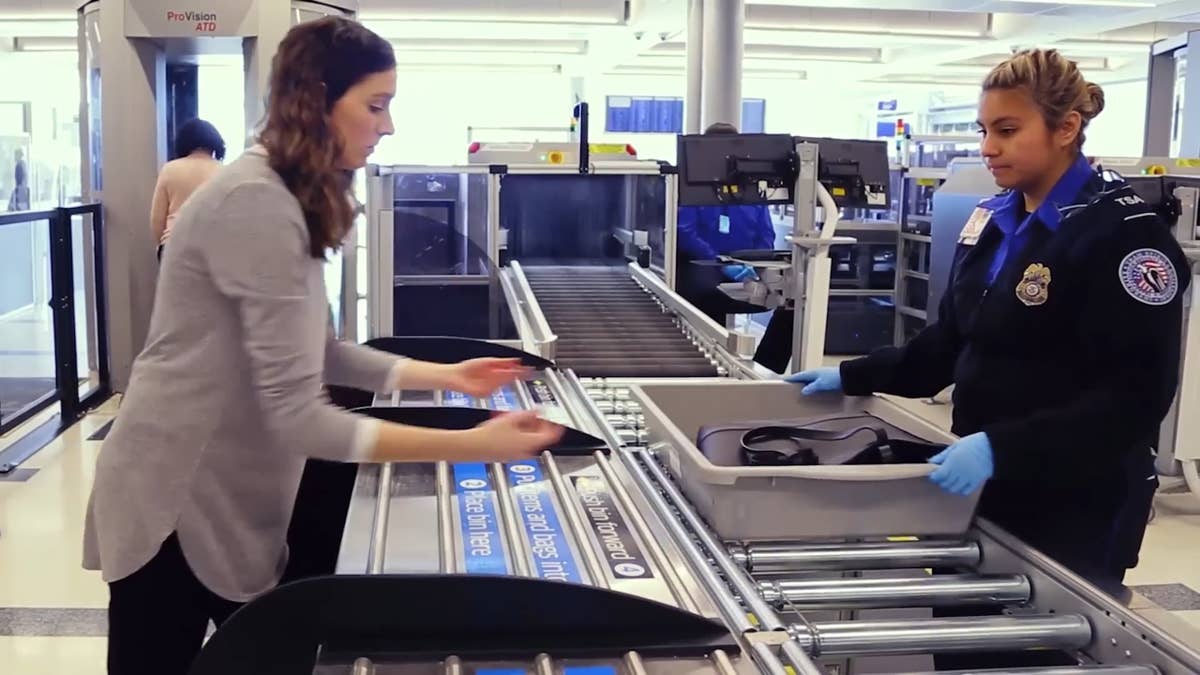
Image via Men's Journal
Google Wallet Now Gets You Through TSA PreCheck Faster
Google Wallet just added a feature that lets TSA PreCheck travelers store their PreCheck credentials and move through security without digging for a boarding pass or a phone screenshot. You tap your phone, the system confirms you're cleared, and you're through. It's a small thing that makes a big difference if you travel more than a few times a year.
Airport security in America has never been the glamorous part of flying, and every incremental improvement counts. This isn't revolutionary technology — it's just smart integration of systems that should have talked to each other years ago. Apple Wallet has had similar functionality, and now Google's caught up. The real win is for anyone who's ever stood in line watching someone fumble through email trying to find their KTN.
The adoption curve on this will be fast. TSA PreCheck membership has been climbing steadily, and anything that shaves two minutes off the security process gets evangelized by business travelers immediately. If you're not using PreCheck already, fix that. If you are, this is one less thing to think about when you're trying to make a connection.
🥃 Cole's Take: I've been PreCheck since the program started, and this is the kind of friction-removal that actually matters. Travel is about minimizing the parts that waste your time so you can enjoy the parts that don't. This is a small but real upgrade to the experience.
Stay sharp, stay liquid, and don't chase what everyone else already owns. — Cole
— Cole Hargrove