While other sectors stall, AI investment is accelerating — showing up in earnings calls, corporate budgets, and real-world deployment. Capital is quietly concentrating around companies with clear demand and long-term relevance, and selective opportunities are forming right now.
A new research brief identifies 2 AI stocks trading under $15 that may be positioned for the next phase of growth — including key developments that could move these names in the months ahead.
Get the Free AI Stocks ReportBy following the link above, you're choosing to opt in to receive insightful updates from Investing Ideas Daily + 2 free bonus subscriptions! Your privacy is important to us. You can unsubscribe anytime. See our privacy policy for details.

Live Well. Invest Smart. No Apologies.
Have a Happy Fourth of July everyone! Stay safe and have fun.

Image via Fox Business
Ford parks a century of horsepower at Union Station—and it’s smarter than it looks
Ford’s “Driving America Forward” exhibit is rolling into Washington, D.C., right as Fourth of July crowds flood the capital—an on-the-nose, perfectly timed salute to America’s 250th. Union Station is about as high-traffic and high-symbolism as it gets, and Ford is using it like a living museum: heritage models, American manufacturing pride, and a reminder that cars weren’t just transportation—they were the country’s mobility engine.
What’s interesting isn’t nostalgia for nostalgia’s sake. Ford is making a brand argument at a moment when the auto business is being re-litigated in real time: EV margins, union pressure, tariffs, supply chains, and software-defined everything. When the future feels noisy, companies with real history bring receipts—and Ford’s got a warehouse full of them.
🥃 Cole's Take: Ford’s doing what old-line giants should do in choppy eras: anchor the story in identity, then sell the future off that foundation. If you’re invested (or thinking about it), remember this: strong brands don’t just market products—they market continuity. And continuity is a competitive advantage when consumers are tired and wallets get picky.
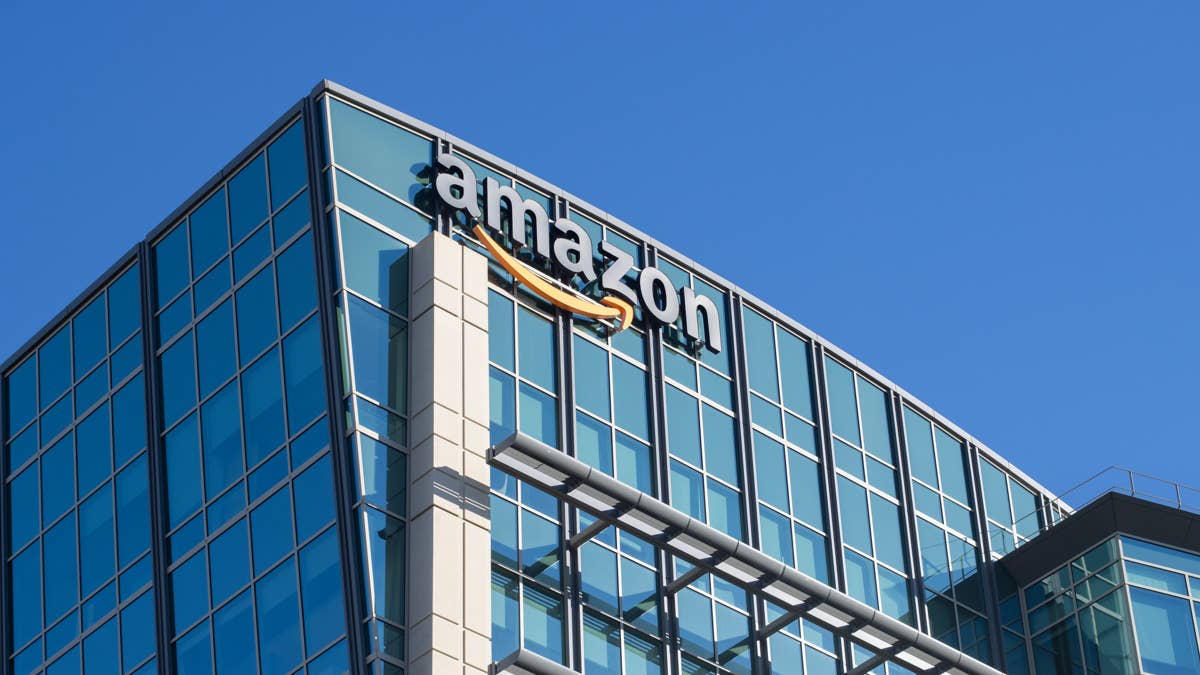
Image via TheStreet
Amazon finally goes at Starlink: the satellite internet war just got real
Amazon is pushing harder into satellite internet, effectively taking the fight to Starlink’s early dominance. The pitch is obvious: global coverage, faster deployment than terrestrial buildouts, and a real option for rural and underserved customers who’ve been overpromised for two decades.
Markets love to call something a “monopoly” right up until capital shows up with patience and scale. Starlink’s head start is real—hardware, launches, brand awareness—but Amazon has two weapons that matter: logistics discipline and an ecosystem that already sits in millions of homes. If Amazon can bundle connectivity the way it bundled shipping, media, and devices, it doesn’t need to “beat” Starlink everywhere to win meaningful share.
🥃 Cole's Take: Competition is good for consumers—and brutal for valuations built on permanence. I’m watching this less as a space story and more as a pricing-power story: satellite internet margins won’t stay fat if Amazon decides to treat bandwidth like a customer-acquisition tool. If you’re investing in the theme, diversify across the stack (launch, chips, ground gear), not just the headline brand.

Image via MarketWatch
Korea’s market did the rodeo—then Anthropic-Samsung chatter lit the fuse again
Korean stocks wrapped a volatile week with fresh excitement after reports pointed to a potential Anthropic-Samsung deal. That kind of headline hits the market’s favorite nerve right now: AI capability plus industrial-scale hardware plus a global consumer footprint. It’s the “full stack” dream—models, devices, distribution.
The backdrop matters: Korea’s market has been a monster in 2026, with eye-popping gains, but even the best runs get tired. When positioning is crowded, it doesn’t take much—one rumor, one regulatory hint, one earnings wobble—to trigger sharp moves. And in a market that’s already delivered big returns, investors are quicker to hit the sell button and slower to forgive surprises.
🥃 Cole's Take: Treat this as a reminder, not a lottery ticket. AI partnerships can be real catalysts, but they’re also perfect volatility fuel—especially when they’re “reports” instead of signed, priced, and filed. If you’ve got Korea exposure after a 2026 run-up, consider trimming into strength and keeping dry powder for the next real dislocation.

Image via Outdoor Life
Handmade gear is back—because people are done with disposable everything
Outdoor Life spotlighted a resurgence in handmade gear: knives, bows, leatherwork—the kind of equipment that looks better after a decade of use, not worse. The makers tell a consistent story: customers want craftsmanship, provenance, and products that aren’t designed for a one-season relationship.
This isn’t just romance. It’s a consumer reaction to a world of cheap materials, algorithmic sameness, and “good enough” quality control. After a few years of supply-chain weirdness and inflation sticker shock, people are realizing that paying more once can beat paying less three times—especially when the item is personal and performance matters.
🥃 Cole's Take: I like this trend because it’s rational masquerading as nostalgia. Quality is an inflation hedge in real life: fewer replacements, better performance, higher resale, and more satisfaction per dollar. If you want a small luxury that actually earns its keep, buy one handmade piece you’ll still be using when the fads change.
MasterCraft and RealTruck turn America’s 250th into a rolling fundraiser—and it’s good business
MasterCraft and RealTruck are partnering on a boat restoration and custom truck project tied to America’s 250th, with the tour benefiting Building Homes for Heroes—supporting veterans and first responders. It’s part celebration, part showcase, part charitable engine, and it’s designed to travel: meet people where they already gather.
From a brand perspective, this is the right kind of flag-waving: tangible, community-facing, and connected to a cause that resonates with the boating-and-truck crowd without feeling forced. The smartest marketing in 2026 doesn’t lecture—it invites. And a touring build project invites plenty of eyeballs while giving people a reason to care beyond horsepower and polish.
🥃 Cole's Take: Cause marketing usually stinks when it’s thin. This one works because the product and the audience match the mission—service, durability, and showing up for people who show up first. If you’re going to spend discretionary dollars this summer, I’m a fan of directing some of it toward brands that put real money behind real outcomes.

Image via GOLF.com
Arccos data is quietly redesigning your next set of sticks
GOLF.com dug into how club makers use Arccos data—real shot tracking from real golfers—to inform design decisions. Instead of relying purely on tour feedback or limited testing pools, manufacturers can see where amateurs actually miss: strike patterns, distance gaps, dispersion tendencies, and the ugly truths we all pretend aren’t there.
This is the broader story of 2026 in miniature: sensors turn instinct into evidence, and evidence turns into product. It’s not just about making a “better” club—it’s about segmenting golfers more precisely and optimizing performance for the way most people really play, not the way we tell our buddies we play.
🥃 Cole's Take: I love anything that reduces self-deception—on the course and in portfolios. Data-driven design will keep improving equipment, but it’ll also make marketing sharper, which means you still need to buy with intent. Get fit, know your miss, and spend money where it saves strokes—not where it buys ego.
📎 GOLF.com
That’s the Brief. Enjoy the Fourth—good whiskey, safe roads, and a little time outside where the noise can’t reach you. We’ll be back next week with what actually matters (and what’s just shouting). — Cole
— Cole Hargrove