Sponsored By:
Trump declared "I'm a gold person" — and set off a chain of events most Americans are completely unprepared for. Gold just overtook U.S. Treasuries as the world's #1 reserve asset for the first time in 30 years. Central banks are buying at double the pace of the previous decade. And with the Treasury now expanding long-dated bond purchases, one top fund manager says bluntly: "That sounds like QE to me — and gold likes that too."
What does this mean for your retirement account? The rules of the next economy are being written right now — and if you don't know what's coming, you could be left behind. Get the full details before this window closes.
Get the Free ReportIf you would like to unsubscribe from receiving offers for Anchor Point Research, please click here. Or write to: 351 Paseo Nuevo, Floor 2, Santa Barbara, CA, US 93101.

Live Well. Invest Smart. No Apologies.

Image via Fox Business
DoorDash Buys Instacart for $17B: The Grocery Land Grab Gets Real
DoorDash is cutting a $17B deal for Instacart, and the message is simple: restaurant delivery is mature, grocery is the next battleground. The U.S. consumer still eats at home more than they eat out, and the weekly grocery basket is the recurring spend that can anchor a platform when discretionary demand cools.
What DoorDash is really buying isn’t just shoppers and a well-known app. It’s retailer integrations, last-mile grocery know-how, and a seat at the table with the big chains that control inventory and margins. Grocery is a tougher business than burgers because substitutions, shrink, cold-chain logistics, and customer expectations punish mistakes fast.
The risk is that grocery delivery economics can be brutal if you don’t control enough of the value stack. The upside is equally clear: if DoorDash can own “the household order” across food, staples, pharmacy, and convenience, they become harder to displace and more defensible when the next cycle turns ugly.
🥃 Cole's Take: I like the strategic direction, but I don’t like paying growth multiples for low-margin categories unless the company has a real plan to improve unit economics. DoorDash has the scale to squeeze efficiency, but grocery will expose any softness in execution fast. If you own it, this is a hold-your-nose-and-watch-the-metrics deal: order density, retention, and retailer terms are what matter, not press-release synergy.
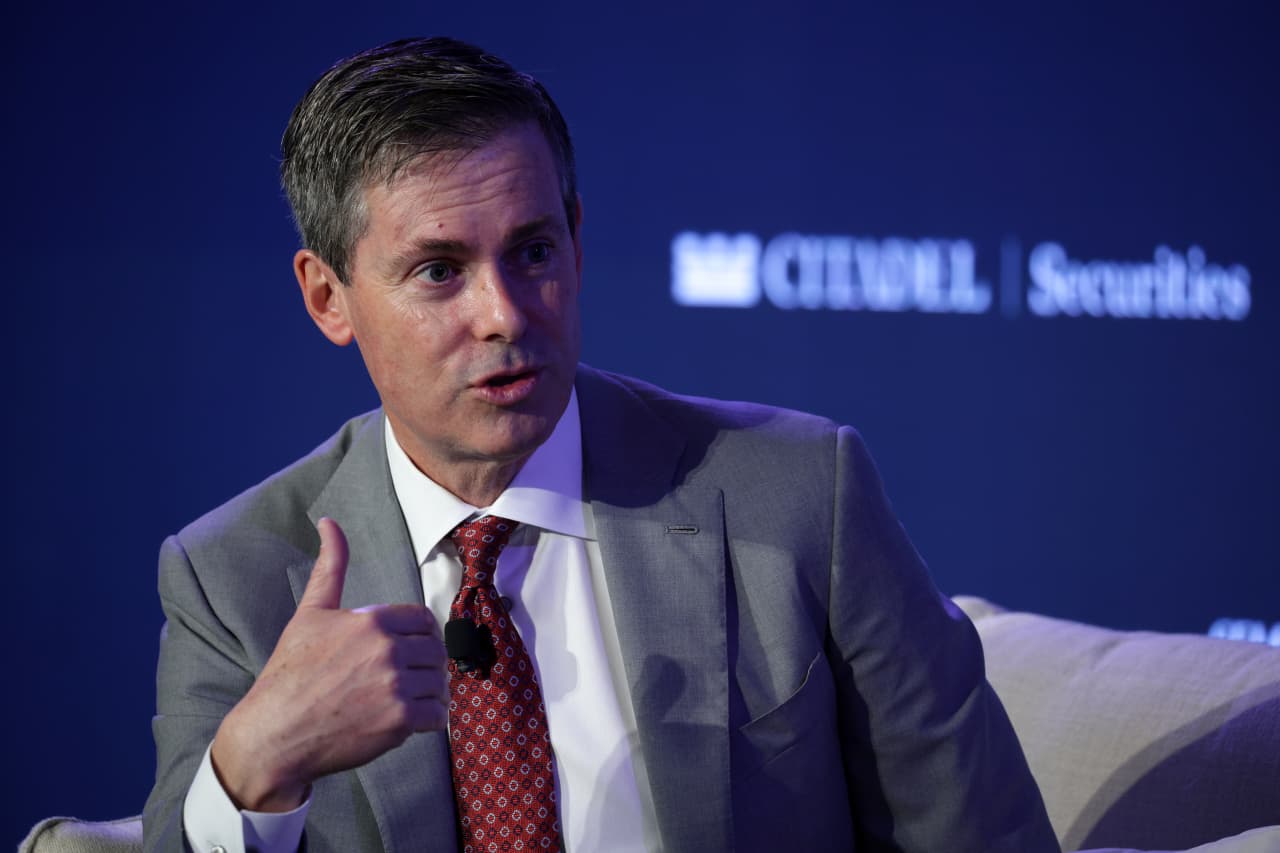
Image via MarketWatch
Lilly Raises Guidance Again: Zepbound Is Becoming a Franchise, Not a Fad
Eli Lilly raised sales guidance for the third time this year as Zepbound demand continues to surge, and the stock is responding the way markets respond to one thing above all else: visibility. In a world where most companies are fighting for predictable growth, Lilly is throwing off the kind of demand signal CFOs dream about.
The weight-loss drug market has moved from “hot trend” to “structural category” with real staying power. What’s changing now is less about whether the drugs work and more about manufacturing capacity, payer coverage, adherence over time, and how quickly these therapies move from cash-pay early adopters into mainstream treatment.
Lilly’s advantage is execution: clinical data, supply ramp, and a commercial machine that can handle scale. The next chapter is about durability and competition, but right now the company is acting like the adult in the room while everyone else is still writing the pitch deck.
🥃 Cole's Take: This is one of the few mega-caps where “expensive” can stay expensive, because the earnings power is still being revised higher in real time. I wouldn’t chase a vertical move on a frothy day, but I also wouldn’t bet against a company that keeps raising guidance while peers talk about “headwinds.” If you want healthcare exposure with momentum and fundamentals, this is the cleanest shirt in the drawer.

Image via TheStreet
Verizon’s Upgrade Slowdown: The Quiet Warning Signal in Wireless
Verizon is seeing a concerning trend: customers are slowing down on phone upgrades. That might sound like a minor consumer preference shift, but upgrades are the heartbeat of carrier economics, feeding device financing, service plan stickiness, and the whole ecosystem of add-ons that lift average revenue per user.
When people hold phones longer, it usually means one of three things: the new models aren’t compelling, wallets are tighter, or the perceived difference between “good enough” and “new” has shrunk. Any of those is a problem if you’re leaning on premium plans and hardware-driven churn management.
The market also has to contend with the broader reality that wireless is mature. Growth isn’t about adding millions of new subscribers; it’s about extracting more value per customer without pushing them to shop around. If upgrade cycles extend meaningfully, you can see margin pressure show up where investors least want it.
🥃 Cole's Take: Carriers are supposed to be the boring, cash-flow part of the portfolio, but boring only works when trends are stable. An upgrade slowdown is a yellow light because it can ripple into both revenue quality and customer behavior. If you own Verizon for income, keep it on a tight leash and watch churn and ARPU like a hawk.

Image via The Whiskey Wash
Glendronach Reality Check: When the $100 Bottle Beats the Trophy Dram
A new ranking of four Glendronach whiskies asks the question every grown man with a bar shelf eventually faces: is the expensive bottle actually better, or just louder? The comparison spans everything from a relatively accessible Glendronach Revival around the $100 range to the kind of rarefied, four-figure Grandeur that looks more like an asset than a drink.
The lesson from blind-ish, side-by-side thinking is that sherried Scotch can deliver most of its magic well below “collector” pricing. You’re paying for scarcity, age statements, and aura as much as flavor, and in a market where secondary prices can get divorced from experience, the palate can be the most honest referee.
For anyone who drinks their whisky instead of photographing it, value matters. The best buy isn’t always the oldest or the rarest; it’s the one that makes you pour a second dram without feeling like you just drank next month’s golf dues.
🥃 Cole's Take: I’m all for a special-occasion bottle, but I refuse to confuse price with pleasure. If a $100 Revival can hang in the same conversation as a $1,500 Grandeur, that tells you everything about where the real value lives. My rule: buy one trophy if it truly sings, but build your “house lineup” on bottles you’ll actually open on a Tuesday.

Image via Robb Report
A Brian Jones Letter to Charlie Watts Heads to Auction: Rock History, Now With a Price Tag
A recruitment letter Brian Jones sent to Charlie Watts in 1962 is going up for auction, a small piece of paper with a big piece of cultural gravity. “We are looking for a good drummer,” Jones wrote, and it’s hard not to smile at the understatement knowing what the Rolling Stones became.
This is the collectibles market in its purest form: provenance, narrative, and a tangible link to a moment before the myth fully formed. Unlike a mass-produced poster or a later signed reprint, a working document from the genesis of an era has the kind of authenticity serious collectors chase.
The interesting angle isn’t just fandom; it’s the continued financialization of cultural artifacts. High-end collectibles have matured into an alternative-asset lane for people who already own the stocks, the real estate, and the usual “diversifiers,” and want something with story value that doesn’t track the S&P day to day.
🥃 Cole's Take: If you’re buying this as an investment, you’d better love the artifact first and the potential return second. Liquidity is thin, pricing is mood-driven, and storage and authenticity matter more than most people realize. But if you have the means and the passion, this is the kind of piece that makes a home office feel like a private museum.
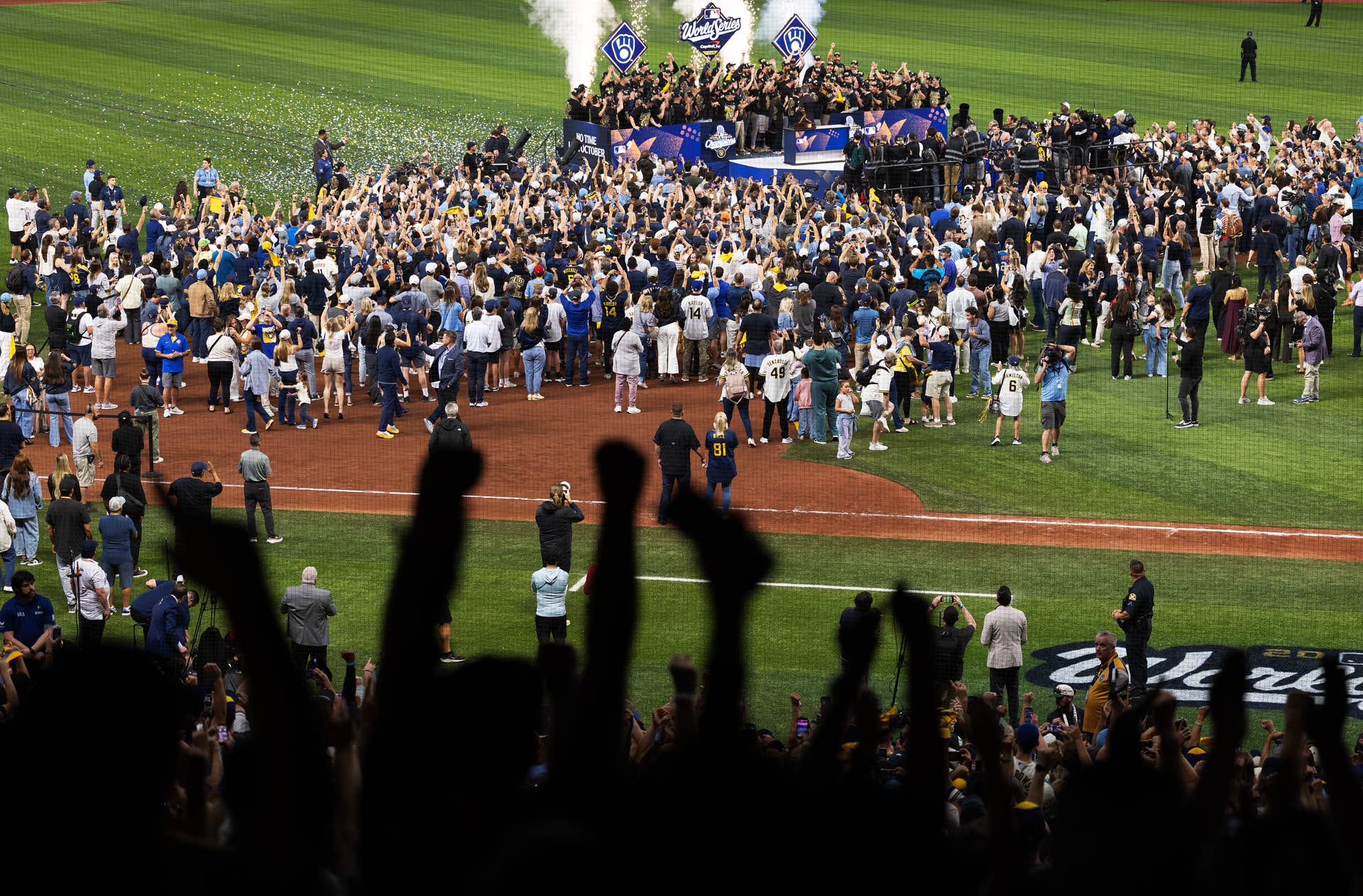
Image via Men's Journal
Milwaukee’s Moment: Brewers World Series Parade Details for a First-Ever Title
The Milwaukee Brewers won the first World Series championship in franchise history, and the city isn’t going to act like it’s happened before. A downtown parade and a free rally at Maier Festival Park are set for Friday, and you can already feel that rare mix of civic pride and pure release that only a long-awaited title brings.
Championship parades are a reminder that the best “returns” aren’t always financial. They’re social. They’re intergenerational. They’re the stories you tell years later, the day you skipped work, the afternoon you took your kid downtown, the handshake from a stranger who felt like a friend.
If you’re anywhere near Milwaukee, it’s one of those moments worth leaning into. Markets open and close every day. A first championship parade is a one-time print.
🥃 Cole's Take: Go, even if you’re not a diehard. This is what the good life looks like in public: a city exhaling after decades of waiting. Take the photos, then put the phone away and soak it in like a great back nine or a perfect campsite sunrise.
That’s the brief. Protect the downside, hunt the upside, and don’t forget to enjoy what you’ve already earned. See you next issue. Cole Hargrove The Balanced Brief
— Cole Hargrove