Sponsored By:
The midterms are behind us — but market uncertainty isn't. Options premiums can look attractive right now, yet the obligations behind them demand equal attention. Assignment risk, capped upside, and capital requirements don't disappear just because the premium looks good.
Our free Income Strategies with Options guide breaks down the mechanics clearly — obligations beside potential income, downside mapped before any trade. The premium is visible immediately; the obligation may arrive later. Read the guide before a tempting quote becomes a costly position.
Send Me the Free ReportBy clicking this link you agree to receive emails from StockEarnings and our affiliates. You can opt out at any time. Privacy Policy.

Live Well. Invest Smart. No Apologies, and a huge thank you to our Veterans today.
Image via RealClearMarkets
Wall Street is quietly turning into the world’s stock market
Global capital keeps voting with its feet, and it’s walking toward U.S. listings. The argument is simple: if you want liquidity, strong disclosure norms, deep analyst coverage, and a buyer base that will pay up for growth, you end up in New York more often than not. The knock-on effect is that “U.S. equities” increasingly means “the global economy, priced in dollars.”
That has real portfolio consequences. When foreign champions list stateside or route their investor story through U.S. markets, your S&P-heavy allocation becomes more internationally exposed than you think—currency, geopolitics, supply chains, and foreign regulation included. The upside is breadth and opportunity; the risk is that concentration in U.S. indices can mask how much of your wealth is tethered to a single market’s policy choices and risk appetite.
🥃 Cole's Take: I’m not allergic to this trend—I’m pragmatic about it. If the cleanest price discovery happens on Wall Street, I want my money where it can move fast and get treated fairly. But don’t kid yourself: an “America-only” portfolio isn’t America-only anymore, so hedge the obvious exposures (dollar strength, energy shocks, geopolitics) and keep some dry powder for the moments when global fear finally shows up in U.S. multiples.

Image via ZeroHedge
Iran draws a hard red line on enriched uranium—and markets should take it seriously
Iran’s refusal to transfer any enriched uranium off its territory undercuts the kind of compromise that usually gives diplomats room to declare progress. Whether this is negotiating posture or a durable policy stance, it raises the probability of prolonged tension, more sanctions friction, and an elevated risk of miscalculation in a region where shipping lanes and energy infrastructure don’t get second chances.
For investors, the immediate transmission mechanism is energy—oil volatility, insurance costs, shipping disruptions—and then second-order impacts like inflation expectations and central bank posture. Even if crude doesn’t spike tomorrow, the risk premium has a way of creeping into everything: airlines, industrial margins, emerging markets, and the “soft landing” narratives that rely on calm input costs.
🥃 Cole's Take: This is the kind of headline that looks geopolitical until it shows up in your grocery bill and your bond yields. I’m not trading my whole book on it, but I am respecting it: keep energy exposure intentional (not accidental), don’t be underinsured on inflation hedges, and remember that the cheapest protection is bought before the first tanker incident, not after.

Image via Forbes
Bill Gates is adjusting the climate playbook—and the capital markets will follow
Gates isn’t backing away from climate concerns; he’s refining what works, what scales, and what delivers measurable impact. That matters because the climate trade has matured from idealism into industrial reality: grid constraints, permitting delays, mineral supply chains, and the hard math of reliability. The conversation is moving from slogans to engineering, and from “anything green wins” to “show me the unit economics.”
Expect capital to keep rotating within the theme. Projects that reduce emissions while improving resilience—power transmission, nuclear baseload, next-gen geothermal, storage that actually pencils out, and efficiency tech—are more likely to get funded than feel-good ventures with fragile subsidies. This is also a reminder that philanthropic and venture narratives often lead the public story, but the public markets eventually demand cash flows.
🥃 Cole's Take: I like this shift because it rewards competence. If your climate investment case depends on perfect politics and permanent incentives, it’s not an investment—it’s a hope. Stick with picks-and-shovels businesses that will be needed in any administration: grid upgrades, industrial efficiency, and scalable baseload solutions, and be ruthless about valuation when the narrative gets ahead of the balance sheet.
📎 Forbes
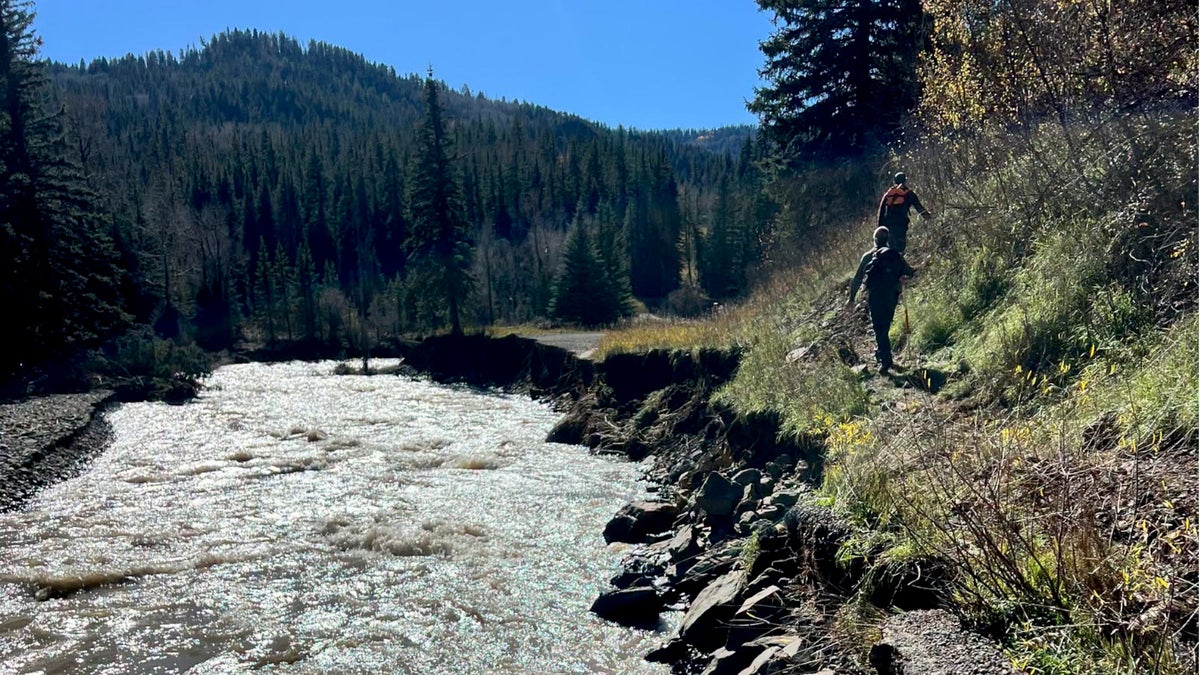
Image via Backpacker
Colorado’s signature trails took a beating—this is what “climate risk” looks like on the ground
Severe flooding in Southwest Colorado has extensively damaged sections of the Colorado Trail and the Continental Divide Trail, and early reports suggest impacts ranging from washed-out tread to compromised bridges and rerouted segments. Anyone who’s logged miles out there knows these aren’t just lines on a map—they’re economic engines for small towns, outfitters, shuttles, and seasonal workers.
Beyond the immediate closures and safety notices, there’s a longer story about infrastructure maintenance in wild places. Trails, access roads, and backcountry bridges don’t rebuild themselves, and volunteer groups can only do so much when damage is widespread. If you’re planning late-season trips, expect changes, detours, and a heavier emphasis on preparedness—navigation, water crossings, and conservative decision-making.
🥃 Cole's Take: This is exactly why I call outdoor access a real asset. If you love these places, support the local orgs and trail groups, and plan like an adult—backup routes, updated maps, and humility when conditions change. And yes, as an investor, I file this under “physical climate risk”: it’s not theoretical when it knocks out tourism revenue and public land infrastructure in one storm cycle.
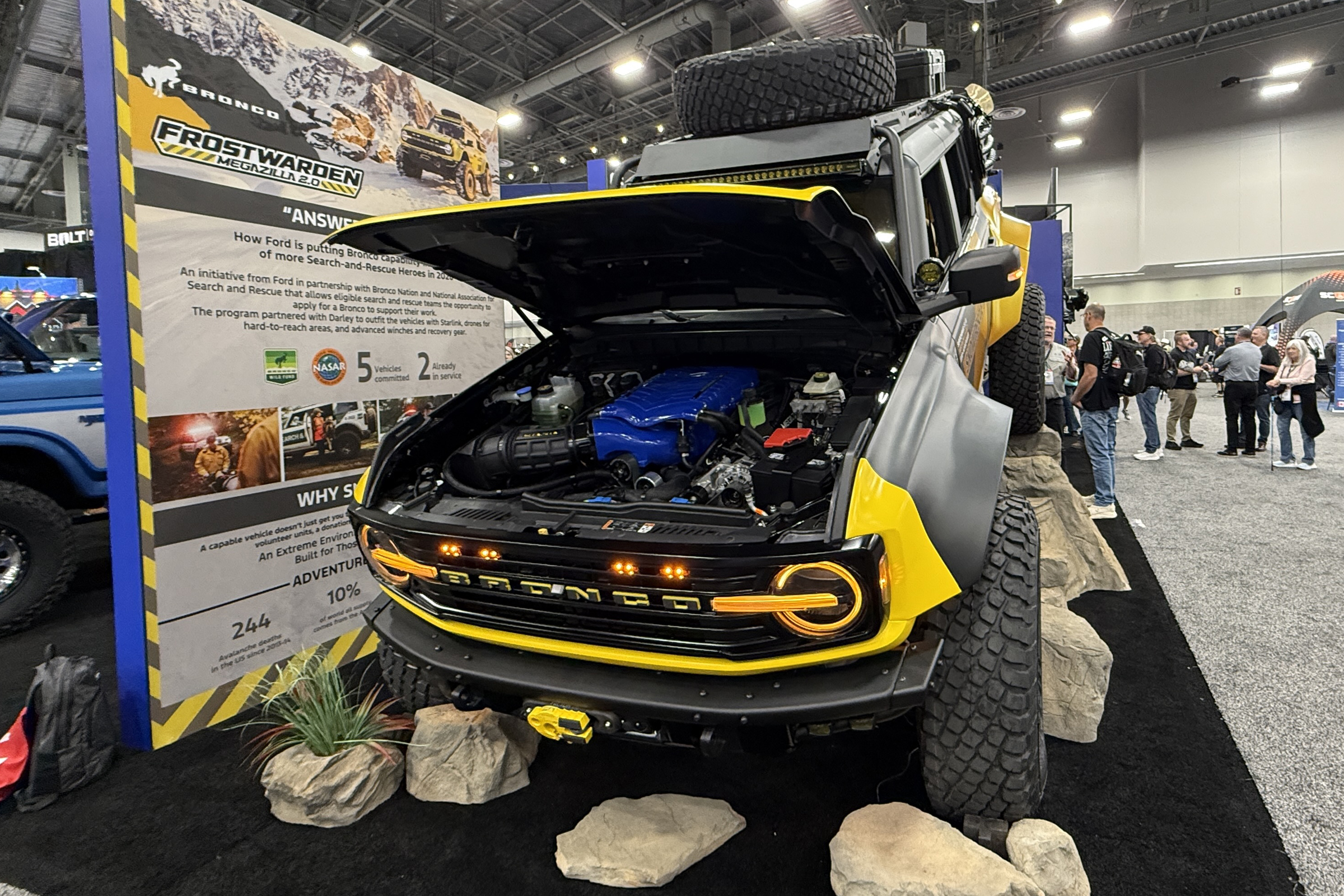
Image via Off Road Xtreme
Ford’s 1,200-hp Arctic Bronco is ridiculous—in the best way—and it signals where off-road is headed
Ford’s one-off Frostwarden Bronco concept is an Arctic rescue rig fantasy: portal axles, 42-inch tires, and a supercharged Megazilla 2.0 setup pushing an eye-watering 1,200 horsepower. It’s not a showroom product, but that’s not the point. Concepts like this are rolling R&D billboards, testing what enthusiasts respond to and what engineering packages might trickle into special editions, crate engines, and aftermarket ecosystems.
The bigger trend is that the off-road market is splitting into two lanes: high-tech capability (software, traction management, electrification, advanced drivetrains) and brute-force mechanical theater (big displacement, extreme suspension, hardcore hardware). Ford is telling you it plans to play in both, and the accessory economy around these vehicles remains a quiet cash machine.
🥃 Cole's Take: Most of us don’t need 1,200 horsepower to get to a trailhead, but I respect what this represents: demand for premium toys isn’t dying—it’s getting more specialized. If you’re investing around autos, pay attention to the profitable edges: performance parts, accessories, software-enabled features, and brands that can charge for identity. If you’re buying the toy, buy the one you’ll actually use—horsepower you don’t use is just an expensive story.

Image via GOLF.com
PING signing Notre Dame’s Jacob Modleski is the new blueprint: talent plus a résumé that travels
College golf is getting professionalized fast, and equipment companies are acting earlier—especially when a player brings more than a pretty swing. Jacob Modleski’s NIL signing with PING highlights the new reality: brands want athletes who can perform, communicate, and represent a product across media, sponsor events, and long-term partnership arcs.
For the business side of golf, this is healthy. It creates a clearer pathway for athletes, more competition among brands, and more reason for companies to invest in fitting, development, and storytelling at younger ages. For fans, it also means you’ll recognize names sooner—before they show up on a Sunday leaderboard.
🥃 Cole's Take: This is smart scouting, and it mirrors what I learned in finance: you bet on the full package, not just the headline metric. In golf terms, I want the player who travels well—pressure, interviews, sponsor obligations, and a tournament schedule that never stops. If you’re a recreational golfer, take the hint from the pros: get fitted, pick one system, and stop gear-hopping like it’s going to fix a swing that needs reps.
📎 GOLF.com
Cole Hargrove Editor, The Balanced Brief Live Well. Invest Smart. No Apologies. And on this Veterans Day: thank you to our veterans and their families. Your service bought the rest of us the freedom to build, invest, and live big.
— Cole Hargrove