One CEO just put $19 million of his own money into his company's stock — on the open market, reported to the SEC, fully verifiable. He's not alone. While most investors watched headlines, a handful of CEOs were quietly making seven-figure bets on their own companies. We dug through SEC Form 4 filings and verified the largest CEO stock purchases of 2026 — real names, real dollar amounts, real dates, every one linked to the actual filing so you can check it yourself.
The free report includes six confirmed purchases, the CEO who bought his own stock five separate times this year, and the small-cap insider buying aggressively while his stock was getting crushed. No rumors. No vague teasers. Just the paper trail insiders are legally required to leave behind — and what it could mean for your next trade.
Get the Free Report Now →Clicking the link above subscribes you to future messages from Equiscreen, LLC and provides instant access to two additional bonus subscriptions from our marketing partners. Unsubscribe anytime. View Privacy Policy.

Live Well. Invest Smart. No Apologies.

Image via Yahoo Finance
Sotera Health Pops 25%: The Boring Kind of Rally I Trust
Sotera Health put up the kind of quarter that doesn’t make for great cocktail-party chatter, but it makes for great portfolio math. The stock jumped hard in Q2 as investors leaned back into a familiar story: steady demand for sterilization and lab services, improving execution, and a path toward better margins as the operating environment normalizes.
Healthcare services names like this can get punished when rates rise and leverage looks scarier on paper. When the numbers come through clean and management shows it can manage pricing, volumes, and costs without drama, the rerating can be violent. A 25% move in a quarter is the market admitting it got too cute on the downside.
The bigger point is what this says about the tape: investors are rewarding operational consistency again. Not vibes, not “AI adjacency,” not hope. Just cash generation, disciplined cost control, and a business model that doesn’t depend on consumer sentiment.
🥃 Cole's Take: I like rallies that come from execution, not from a CEO saying the right buzzwords on a call. If SHC keeps tightening margins and de-risking the balance sheet, it can keep grinding higher even without a euphoric market. Treat it like a steady climb, not a moonshot: size it accordingly and don’t chase a 25% quarter like it’s repeatable every season.
Will AI End Us? The People Who Built It Aren’t Laughing
A fresh wave of anxiety is back on the table: serious AI researchers and early pioneers are revisiting the idea that advanced systems could create catastrophic outcomes if capability outruns control. CNBC’s piece rounds up the divide inside the community itself, where some of the most credible voices are no longer arguing about whether AI will reshape jobs and markets, but whether there are non-trivial paths to extinction-level risk.
What’s notable isn’t the doom language; it’s the institutionalization of the concern. When researchers tied to the top labs talk openly about loss of control, emergent behavior, and misaligned incentives, it changes how boards, regulators, and capital allocators think about timelines. The big labs are racing, and the safety crowd is essentially saying: racing is the problem.
For investors and operators, this isn’t just philosophy. If the public narrative hardens into “this is dangerous,” you get policy pressure, compute constraints, licensing regimes, and a very different competitive landscape than the one Wall Street models with neat growth curves.
🥃 Cole's Take: The smartest people I know in finance don’t dismiss tail risk just because it’s inconvenient. You don’t need to believe in Hollywood armageddon to accept that powerful systems plus competition equals accidents and overreach. My move is practical: own the enablers (compute, infrastructure, security), be cautious on the most regulation-exposed AI brands, and assume rules are coming when the first high-profile failure hits.
📎 CNBC
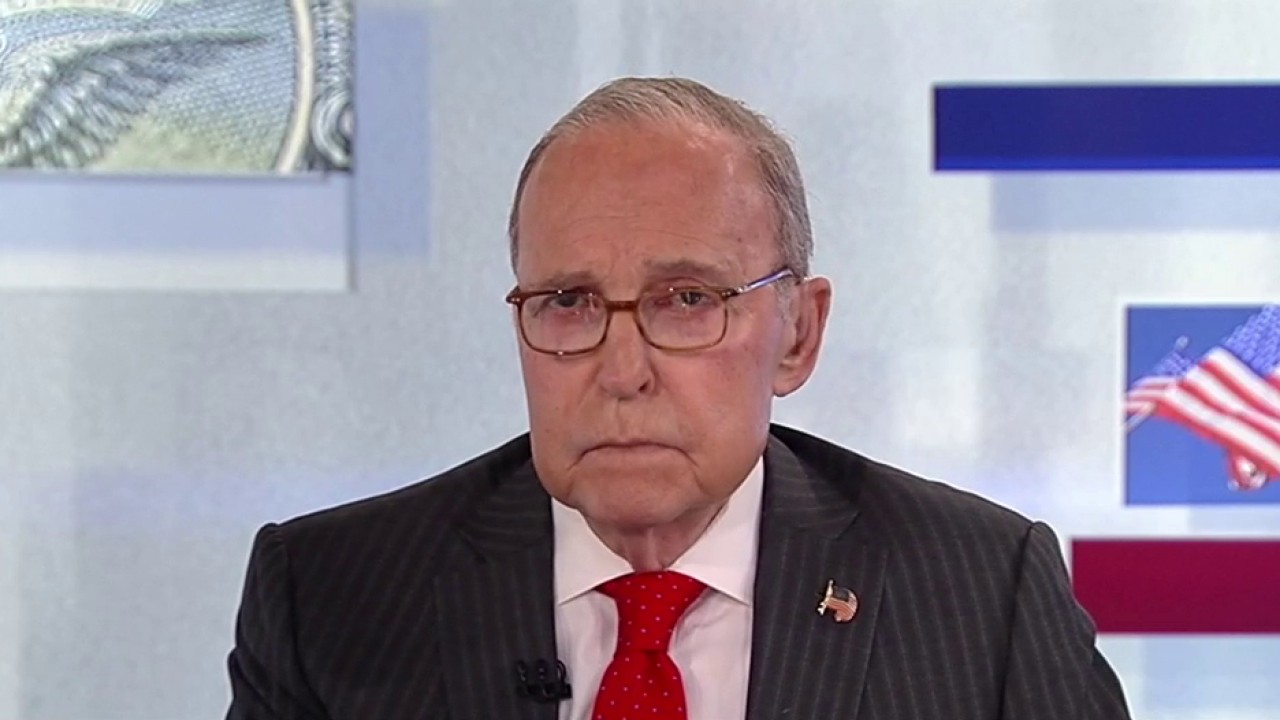
Image via Fox Business
Kudlow Calls AI Doom Politics. The Market Calls It a Policy Risk.
Larry Kudlow’s argument is straightforward: the “AI armageddon” storyline is being used as an election-year weapon, similar to how he views climate narratives. He frames the push for aggressive AI restrictions as a left-led effort to slow or stop the industry, including data centers and the broader buildout.
Whether you agree with his politics or not, the article highlights something investors ignore at their own expense: the narrative battle matters. The U.S. is trying to win an arms race in AI while also answering voter fears about jobs, safety, and power concentration. Those goals collide, and politicians aren’t known for subtlety when a microphone is involved.
The takeaway is that “AI regulation” isn’t a single event. It’s a series of hearings, executive actions, state-level moves, procurement rules, and export controls that can change the economics of everything from model training costs to data access to liability.
🥃 Cole's Take: Calling everything a ruse is a great way to get blindsided by a real rule change. I don’t buy the idea that government can or should “stop AI,” but I absolutely believe politicians will try to control it once it scares enough voters. Trade the world you have: regulatory overhang is now part of the AI valuation equation, so demand a margin of safety when you pay up.

Image via GOLF.com
Peyton Manning’s Quiet Golf Gem: The Best Event You’ve Never Had on Your Calendar
There are golf events that feel like a corporate convention with tee times, and there are events that feel like the game’s actual culture. Golf.com spotlights Peyton Manning’s Smith Cole invitational at Cherry Hills, and it reads like one of those rare gatherings where the pros, club pros, and the entire scene are there because they genuinely want to be.
Cherry Hills is the kind of place that doesn’t need to advertise its résumé. Pair that venue with a host who understands how to create a relaxed hang without turning it into a circus, and you get an event that’s heavy on relationships, light on noise. That’s a good metaphor for how the best golf experiences usually work: quality people, quality course, no unnecessary production.
For anyone who measures “value” in memories as much as money, this is the reminder that the best golf trips and weekends aren’t always the biggest-name stops. Sometimes they’re the ones that still feel like golf is supposed to feel.
🥃 Cole's Take: If you’re building a life you actually want to live, you collect experiences like this, not just handicaps and receipts. The best rooms in golf aren’t always the loudest; they’re the ones where the conversation is good and the pace is right. Put one of these under-the-radar events on your radar and watch how quickly it resets your idea of a great golf weekend.
📎 GOLF.com
Aquila 35 Sport: A Center Console That Thinks It’s a Weekend Home
Power & Motoryacht walks through the Aquila 35 Sport, framing it as a serious shot at the “center console killer” category. The appeal is obvious the moment you look at the layout: it’s built to fish and run, but it’s also trying to keep the crew comfortable enough to turn a day trip into a spontaneous overnight without feeling like you’re camping in a locker.
This is where boating is heading for a lot of successful guys I know. You want performance and range, but you also want shade, seating that doesn’t punish your back, smart storage, and the ability to bring family or friends who don’t care about the technical specs. The best boats now aren’t just faster; they’re more usable.
A walkthrough video is the right format for something like this because the details matter: where you stand, where you sit, how you move, how you stash gear, and whether the design feels clean or cramped. On the water, design is lifestyle.
🥃 Cole's Take: If you’re shopping this class, buy for your real use, not your fantasy use. Most owners run to sandbars, hop to waterfront dinners, and chase a few good runs on a calm morning more than they chase trophy fish. The Aquila concept makes sense if it genuinely bridges comfort and capability, but I’d still sea-trial it like you’re buying a second home: because you are.

Image via Car and Driver
The 2027 F-150 Gets Smarter Muscle, Plus a Carhartt Edition for the Working-Class Millionaire
Car and Driver reports the 2027 Ford F-150 is swapping out the twin-turbo 2.7-liter V-6 for a twin-turbo 3.0-liter V-6, along with fresh grille designs across several trims. Translation: Ford is still tuning America’s best-selling tool for the reality that trucks now live double lives as both workhorses and daily drivers.
The headline-grabber is the Carhartt-branded model. That’s not just a trim package; it’s Ford reading the room. A lot of guys who can afford anything still want equipment that signals utility, durability, and taste that doesn’t try too hard. Carhartt has become a kind of cultural shorthand for “I can get dirty, even if I don’t have to.”
From a market lens, the pickup segment is also one of the best case studies in pricing power. When a manufacturer can keep customers emotionally attached while pushing feature sets and brand collaborations, it’s a reminder that the strongest consumer franchises behave like luxury brands in disguise.
🥃 Cole's Take: A truck is an asset if you actually use it, and a liability if you buy it to cosplay a lifestyle. The new 3.0-liter move sounds like Ford protecting torque, drivability, and towing credibility as expectations creep upward. The Carhartt edition will sell because it hits the sweet spot: rugged identity with showroom polish, and that’s exactly what most buyers want.
Cole Hargrove | The Balanced Brief | Live Well. Invest Smart. No Apologies.
— Cole Hargrove