Tax season quietly reshapes where capital flows — refunds hit accounts, portfolios get rebalanced, and positions get liquidated to cover obligations. That creates unusual early movement in small-cap stocks that has nothing to do with company fundamentals. Right now, certain names are already showing structural signals most investors will miss entirely.
We've put together a free Market Structure Guide breaking down how tax season shifts market activity, why some small-cap profiles move unexpectedly in March and April, and three companies already showing early breakout signals. The window to act before broader attention arrives is narrow — don't wait.
Get the Free Market Structure Guide*We encourage readers to perform their own research and due diligence on any information we provide. By clicking the link you will automatically be subscribed to the Fierce Investor Newsletter. Privacy Policy

Markets don’t care about your narrative — they care about gravity, cash flow, and timing. Today’s read: SpaceX reportedly trims its IPO ambitions, the space trade cools after a Blue Origin failure, Dick’s starts shaping Foot Locker into something modern, Jeep eyes a Scrambler comeback, Zenith goes stars-and-stripes for America’s 250th, and a Montana scavenger hunt reminds us why the good life is best shared.
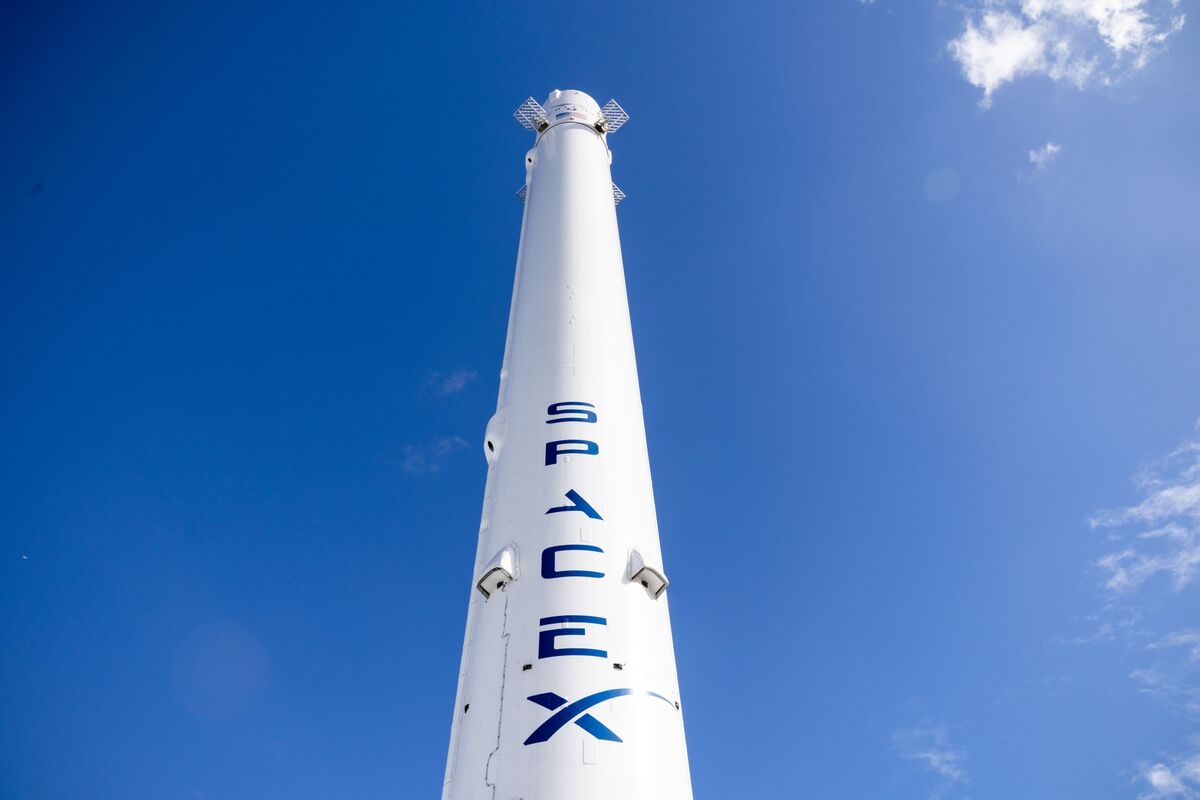
Image via Bloomberg
SpaceX Reportedly Lowers the IPO Target — That’s Not Weakness, It’s Pricing Power
Bloomberg reports SpaceX is said to have cut its desired IPO valuation as preparations move closer. Translation: the most anticipated listing in years is acknowledging the market’s new math — higher rates, tighter liquidity, and investors demanding cleaner lines between "story" and earnings power.
If you’ve lived through dot-com and 2021 SPAC season, you know this rhythm: private markets float on optimism longer than public markets will tolerate. A valuation reset ahead of the roadshow can be strategic — it widens the buyer base, reduces the "first-quarter disappointment" risk, and gives bankers room to call it a win even if the first week trades sideways.
The bigger signal is that SpaceX is treating the public markets like a partner, not a trophy. When a company with real moats chooses realism over bravado, it often means they want a stable shareholder base — not a meme-fueled sugar high.
🥃 Cole's Take: I’d rather see SpaceX come public at a disciplined price than try to set a record and spend two years defending it. The best IPOs leave something on the table, then earn the next valuation step with execution. If this goes, I want in — but only if the terms reflect gravity, not fan fiction.

Image via MarketWatch
Blue Origin Explosion + SpaceX Valuation Reset = The Space Trade Hits Turbulence
MarketWatch says space stocks slid Friday after a Blue Origin rocket explosion and as SpaceX’s valuation got a “reality check.” That’s the cocktail that sobers up a hot theme fast: operational risk you can see on replay, paired with financial expectations coming back down to earth.
Space is still a generational industry, but it’s not a straight-line chart. Launch cadence, reliability, insurance costs, government contracts, supply chain, and regulatory scrutiny all show up at the worst possible time — usually right when retail investors are finally piling in.
When sentiment runs this hot, one incident can compress multiples across the entire group, even for companies that had nothing to do with the failure. It’s unfair, and it’s also how markets work when the trade is crowded.
🥃 Cole's Take: Space is investable, but it’s not “set it and forget it.” If you’re in the public names, size it like a high-volatility position and keep cash ready for the inevitable air pockets. The winners will be the firms that can fly often, fly safely, and bill reliably — everything else is just a PowerPoint with flames behind it.

Image via Forbes
Foot Locker’s Numbers Hint at Dick’s Real Plan: Turn a Mall Relic Into a Modern Brand Engine
Forbes points to Foot Locker’s results as a window into Dick’s Sporting Goods’ vision after taking a big swing on the brand. The early signs: investment is showing up in sales momentum and in new store concepts that are resonating with shoppers who want more than a wall of boxes and a discount sign.
This is what smart retail consolidation is supposed to look like. Dick’s brings operational discipline, vendor leverage, and the ability to re-platform the customer experience — and Foot Locker brings cultural real estate in sneakers that still matters globally, even if mall traffic doesn’t.
The real question isn’t whether Foot Locker can post a decent quarter. It’s whether Dick’s can build a differentiated, experience-led footprint while protecting gross margin in a world where the consumer is choosy and promotional pressure never really disappears.
🥃 Cole's Take: If Dick’s can turn Foot Locker into a premium sneaker and community destination, the upside is bigger than most investors are modeling. But retail turnarounds only work when the inventory is clean and the brand feels current — every season. I’m watching this as a “prove it” story, not a victory lap.
📎 Forbes

Image via Car and Driver
2028 Jeep Wrangler Scrambler: A Throwback That Could Print Money — If Stellantis Doesn’t Overthink It
Car and Driver’s early look at the 2028 Jeep Wrangler Scrambler lays out what we know so far about a revived pickup-style Wrangler. The appetite is obvious: Americans love utility with personality, and the Wrangler name carries more lifestyle equity than most entire auto portfolios.
The opportunity is positioning. A Scrambler can sit in that sweet spot between weekend toy and practical rig — tailgate-friendly, trail-capable, and still short enough to park without taking out a mailbox. If Jeep nails packaging, towing, and modular options, it can own a niche that competitors struggle to imitate without looking like cosplay.
But the risk is also obvious: pricing creep, complexity, and quality control. Today’s buyers will pay up — once — and then they’ll punish you for squeaks, electrical gremlins, and dealer nonsense.
🥃 Cole's Take: A Scrambler done right is the kind of product that sells itself in every campground and every golf course parking lot in America. Jeep should keep it simple, durable, and configurable — and stop treating “limited edition” like a business model. If it launches clean, Stellantis has a margin machine on its hands.

Image via Robb Report
Zenith Goes Full Liberty for America’s 250th — Fun, Loud, and Built for the Wrist, Not the Safe
Robb Report says Zenith just dropped a pair of U.S.A.-themed Chronomaster Revival A384 chronographs as a nod to the country’s 250th anniversary. It’s a playful take on an icon — the kind of release that doesn’t pretend to be subtle, and doesn’t need to.
The broader watch reality in 2026 is that buyers have sobered up from peak hype. That’s good. Brands that lean into heritage, proportion, and genuine mechanical credibility are the ones that keep their collectors — even when resale spreads tighten.
A themed watch can be a gimmick, or it can be a marker of a moment. Zenith is betting on the latter, using a recognizable case and a design twist that’s meant to be worn on July weekends, not hidden away like an “investment.”
🥃 Cole's Take: If you’re buying watches hoping they’ll fund your retirement, you’re late and you’re doing it wrong. But if you want a sharp, historically grounded chronograph with some patriotic attitude, this is the right kind of “special edition.” The best luxury purchases are the ones that earn wrist time.
570 Riders, One Montana Town, and a Lesson Wall Street Forgets: Community Is an Asset
Off-Road.com reports that an off-road scavenger hunt in Lincoln, Montana drew 570 riders and raised money for local kids, organized by the Blackfoot Valley Optimist Club. That’s a serious turnout for a small-town event — the kind of scale you only get when people actually like each other and show up.
There’s a reason I pay attention to stories like this alongside IPO chatter and macro noise. The “good life” isn’t a spreadsheet flex — it’s having the time, health, and network to go somewhere beautiful and be part of something that matters, even if it’s just a dusty Saturday with a map and a mission.
Outdoor culture is also an economic signal: gear, travel, fuel, lodging, local businesses, and charity all intersect. When events like this thrive, it says discretionary spending is alive — and that people are prioritizing experience over stuff.
🥃 Cole's Take: This is wealth done right: use your machines, use your weekends, and put some of it back into the place that hosted you. Markets reward discipline, but life rewards participation. If you’ve got the means, pick one local cause and become unignorable.
I’m heading into the weekend the way I like my portfolio: a little cash on hand, quality positions I can sleep with, and zero tolerance for hype. Live well. Invest smart. No apologies.
— Cole Hargrove