Mode Mobile — the company ranked North America's #1 fastest-growing software company by Deloitte with 32,481% growth — is still offering pre-IPO shares at $0.52/share. But not for long. On August 14, the price goes up. With 490M+ users, $115M+ in lifetime revenue, and a reserved Nasdaq ticker ($MODE), over 60,000 investors have already poured in $100M+ — including original Shark Tank investor Kevin Harrington.
This is your last shot at the current entry point. Just like Uber disrupted cars and Airbnb disrupted homes, Mode is turning everyday phone use into income — and the window to get in early is closing fast. Don't miss the August 14 deadline.
Claim Your Pre-IPO Shares Now*Mode Mobile recently received their ticker reservation with Nasdaq ($MODE), indicating an intent to IPO in the next 24 months. An intent to IPO is no guarantee that an actual IPO will occur. *The Deloitte rankings are based on submitted applications and public company database research, with winners selected based on their fiscal-year revenue growth percentage over a three-year period. *Mode revenue and EBITDA numbers include full year revenue and EBITDA of businesses acquired by Mode Mobile in 2025. *Please read the offering circular and related risks at invest.modemobile.com.

Live Well. Invest Smart. No Apologies.

Image via Investor's Business Daily
Berkshire Hits The Gas Again: Earnings Beat And A Pause In The Sell-Off
Berkshire Hathaway topped earnings expectations and, more importantly, broke a streak that’s been hanging over the market mood: after 14 straight quarters of net equity selling, the firm stopped shrinking its public-stock exposure. When Berkshire changes posture, it’s rarely about one quarter’s numbers. It’s about price, patience, and the opportunity set.
The other headline that keeps showing up is the cash pile and what they did or didn’t do with it. Berkshire’s cash has been a running debate topic because people want a dramatic move: a big acquisition, a sweeping buyback, some cinematic “Buffett strikes” moment. The reality is quieter and more useful: when Berkshire isn’t selling, it’s typically signaling that valuations are no longer obviously stupid across the board, even if they aren’t cheap.
Investors also tend to miss the real message: Berkshire’s operating businesses throw off cash in good times and bad, and the portfolio is managed like a long-duration insurance policy against bad decisions elsewhere. A shift from “net seller” to “not selling” isn’t a green light to chase; it’s a reminder that the smartest capital in the room is measuring risk/reward, not vibes.
🥃 Cole's Take: When Buffett stops selling after that long, I read it as “prices finally got closer to fair,” not “a new bull market is guaranteed.” If you’ve been sitting on cash waiting for the perfect pitch, take the hint: start legging into quality on weakness, but keep your standards high. The biggest mistake in late-cycle markets is paying growth multiples for average businesses.
Intel’s $15B Stock Offering: The AI Arms Race Isn’t Cheap
Intel is planning a $15 billion stock offering, a move that says as much about the scale of the AI infrastructure buildout as it does about competitive pressure. Capital spending in chips isn’t a budgeting exercise anymore; it’s an industrial campaign. Everyone who wants to matter in AI is buying shovels, building factories, and locking up supply chains.
An equity raise at this size is a reminder that even legacy giants have to pay up to stay relevant. Raising cash through stock can be the cleanest option when the alternative is leaning too hard on debt right as rates, credit spreads, and cycle risk still matter. It also spreads the cost across shareholders, which is fine if the money is invested at high returns and less fine if it’s just a treadmill to keep up.
For investors, the key isn’t the headline number; it’s the implied message: AI demand is strong enough that Intel believes it can finance expansion without kneecapping itself, but it’s also telling you the race is still unsettled. In a settled market, leaders don’t need to dilute to prove they belong.
🥃 Cole's Take: A big stock offering is not “bullish” by default; it’s a price tag on ambition. If Intel executes, today’s dilution can look like the entry fee to a multi-year runway. If execution wobbles, shareholders are funding an expensive catch-up plan. I’d treat this as a tradeable volatility event, not a forever-hold love story, until margin and roadmap progress show up consistently.
📎 CNBC
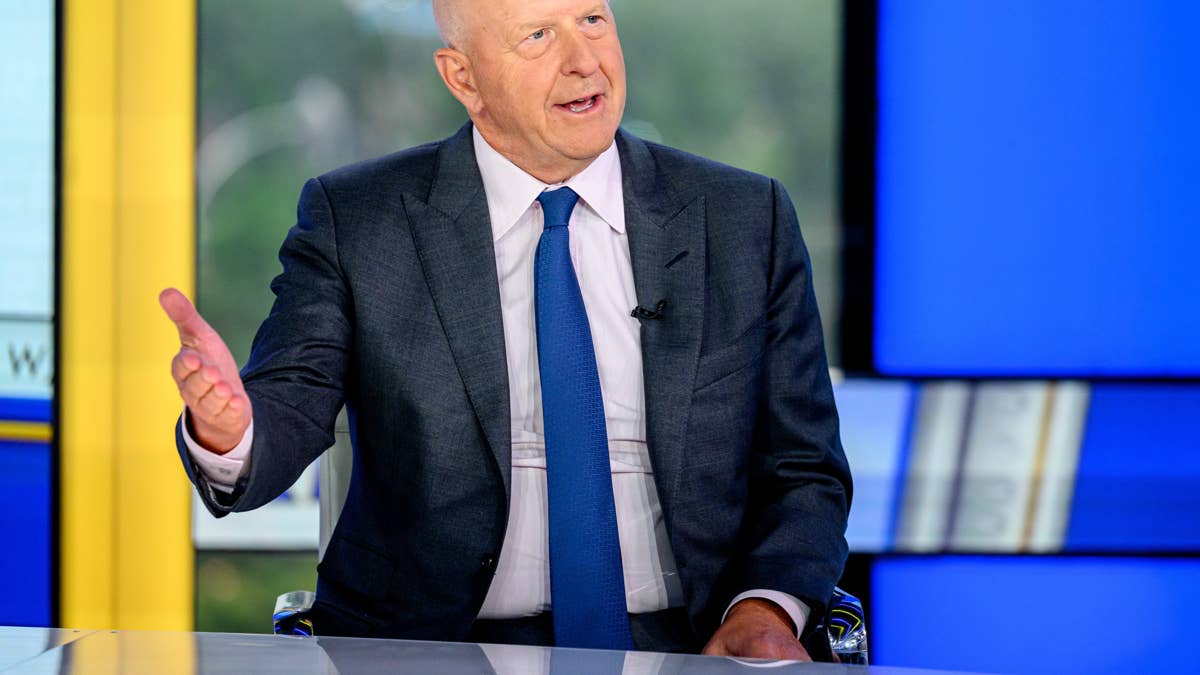
Image via TheStreet
Goldman’s Read On Inflation And Jobs: The Fed Isn’t Watching What You Think
Goldman Sachs weighed in on inflation and the labor market, and the big point is one seasoned investors have had to relearn: the jobs report is a headline, not the whole story. For a long stretch, markets treated monthly hiring like the master switch for rates. Strong jobs meant higher-for-longer, weak jobs meant the pivot was near. Simple, clean, and often wrong.
What matters now is the texture: wage growth, participation, revisions, and whether inflation is cooling in the places that stick around, like services. The Fed can live with decent job creation if inflation is truly gliding down. And it can’t celebrate a softer jobs print if inflation re-accelerates or if financial conditions loosen too much.
For portfolios, the implication is that “one number Fridays” are less reliable for timing big moves. The policy path is increasingly about trend, not shock, and markets that overreact to a single print tend to hand disciplined investors better entry points than they deserve.
🥃 Cole's Take: I’d stop treating jobs day like it’s the Super Bowl and start treating it like course conditions: useful, but not the whole round. If inflation is sticky, rates stay higher than people want, even with softer employment data. Position for a world where cash still has a yield and quality balance sheets win, then let the monthly noise create your buy points.

Image via GearJunkie
BrüTank Rolling Cooler: A Tailgate Upgrade That Actually Solves Problems
GearJunkie put the BrüMate BrüTank 55-Quart Rolling Cooler through its paces, and the concept is simple: make it easier to move a full load of ice and drinks over real terrain, not just smooth parking lots. This cooler leans into organization and usability, with features aimed at the way people actually tailgate, camp, and post up for long afternoons outside.
The standout is the built-in organization and the removable beverage tank, which turns the cooler into something closer to a mobile drink station. That matters when you’re trying to keep a group moving without turning every refill into a scavenger hunt. If you’ve ever hosted a weekend where the cooler became the center of gravity, you already know the value of less chaos.
The practical question is always durability and handling when it’s loaded heavy. Rolling coolers are either a revelation or a frustration depending on wheel design and balance. When a cooler can handle uneven ground without dumping your day’s plan into the dirt, it earns its keep.
🥃 Cole's Take: I like gear that buys you time. A cooler that rolls well and keeps things organized is one less reason to go back to the truck, and that’s the whole point of being outdoors. If you’re a once-a-year camper, rent the vibe and skip the spend; if you host, tailgate, or do lake weekends regularly, paying for convenience is rational.

Image via Off Road Xtreme
Roush’s 2027 Ram 1500 Direct Connection: The Factory Hot-Rod Goes Off-Road
Roush is giving the 2027 Ram 1500 the Direct Connection treatment, blending big HEMI V8 power with upgraded suspension, 33-inch tires, and aggressive styling. It’s a modern muscle-truck move: take a mainstream platform and package it into something that looks and feels purpose-built, without making owners piece it together one aftermarket invoice at a time.
This segment keeps growing because it matches how people actually live. Trucks are daily drivers, tow rigs, and weekend escape pods. A turnkey upgrade from a known performance outfit appeals to buyers who want capability and attitude, but also want warranties, fit-and-finish, and less guesswork.
From a lifestyle lens, these builds are less about rock crawling and more about confidence: dirt roads to a campsite, muddy access to a fishing spot, hauling a smoker to a buddy’s place, and not white-knuckling the whole way. The luxury market figured out “experience sells.” The truck market just sells it louder.
🥃 Cole's Take: This is the kind of truck you buy when you’re done proving you’re practical. The only financial advice I’ll attach: pay cash or keep the term short, because toys financed long are how good incomes stay broke. If you’re going to splurge, at least splurge on something you’ll use every weekend, not something that sits pretty on weekdays.

Image via Popular Mechanics
The Best Smokers Right Now: Pick Your Fuel, Then Commit To The Ritual
Popular Mechanics rounded up nine of the best smokers for low-and-slow cooking, spanning pellet, charcoal, and other setups. The list is a good reminder that there’s no single “best” smoker, just the best match for your patience level, flavor preference, and how much tinkering you enjoy.
Pellet smokers win on convenience and consistency, especially if you like repeatable results and you’d rather socialize than babysit the fire. Charcoal brings that classic depth and the satisfaction of managing heat like a craft. Either way, the common denominator is time: low heat, long cook, and the willingness to let a weekend unfold instead of trying to cram it into two hours.
The quiet value of a good smoker is that it turns a regular Saturday into an event. It’s not just food; it’s a reason to invite people over, pour a drink, and slow down on purpose. In a world addicted to speed, this is one place where slow is the flex.
🥃 Cole's Take: Buy the smoker that matches how you actually live, not the one that matches your fantasy self. If you’re juggling markets, family, and travel, a good pellet rig is a cheat code for great results without the fuss. If you love the process, charcoal is therapy you can eat, and it’ll make you better at patience everywhere else too.
I’m heading outside Nashville for nine holes and an afternoon smoke. Keep your risk measured, your cash earning, and your weekends protected. See you next issue.
— Cole Hargrove