One oil market disruption can trigger a chain reaction — tighter supply, shifting routes, and producers scrambling to adapt. Our research team has pinpointed 3 energy stocks uniquely positioned to benefit from this ripple effect, and each one has a distinct edge as the global energy landscape shifts.
These aren't just bets on higher oil prices. Inside Trading the Oil Supply Shock: Top 3 Energy Stocks Emerging From Global Supply Disruptions, we break down exactly what makes each company stand out — and why now could be the moment to pay attention.
Get the Free ReportBy clicking the link above, you're opting in to receive valuable updates from The Investor Newsletter Daily plus 2 bonus subscriptions. Your privacy is important to us. You can unsubscribe anytime. See our privacy policy for details.

Live Well. Invest Smart. No Apologies.

Image via Fox Business
A $30B Trump-Xi Deal Won’t Save Christmas, But It Might Stop the Bleeding
A Cato Institute trade expert broke down what a reported $30 billion Trump-Xi agreement could mean as retailers gear up for the holiday push. The practical angle: fewer fresh shocks on toys, household goods, and the kind of container-load stuff that shows up in big-box aisles and on your porch in brown cardboard.
If the deal holds, the near-term effect isn’t “prices fall,” it’s “prices stop rising as fast.” Shipping, labor, and inventory financing still matter, and retailers will protect margin before they hand you a discount. But easing trade friction can reduce the last-minute scramble that forces stores into panic freight and ugly supply substitutions.
The real tell will be whether companies start talking with more confidence about Q4 inventory levels and promotional calendars. When CEOs stop using the phrase “uncertainty around tariffs” every other sentence, you’ll know the pressure’s actually coming off.
🥃 Cole's Take: Treat this like a ceasefire, not a peace treaty. If you’re managing household spending, buy the staples early and don’t count on dramatic Black Friday miracles. If you’re investing, I’m watching retailers and logistics names for margin relief, but I’m not paying peak multiples for “tariff optimism.”
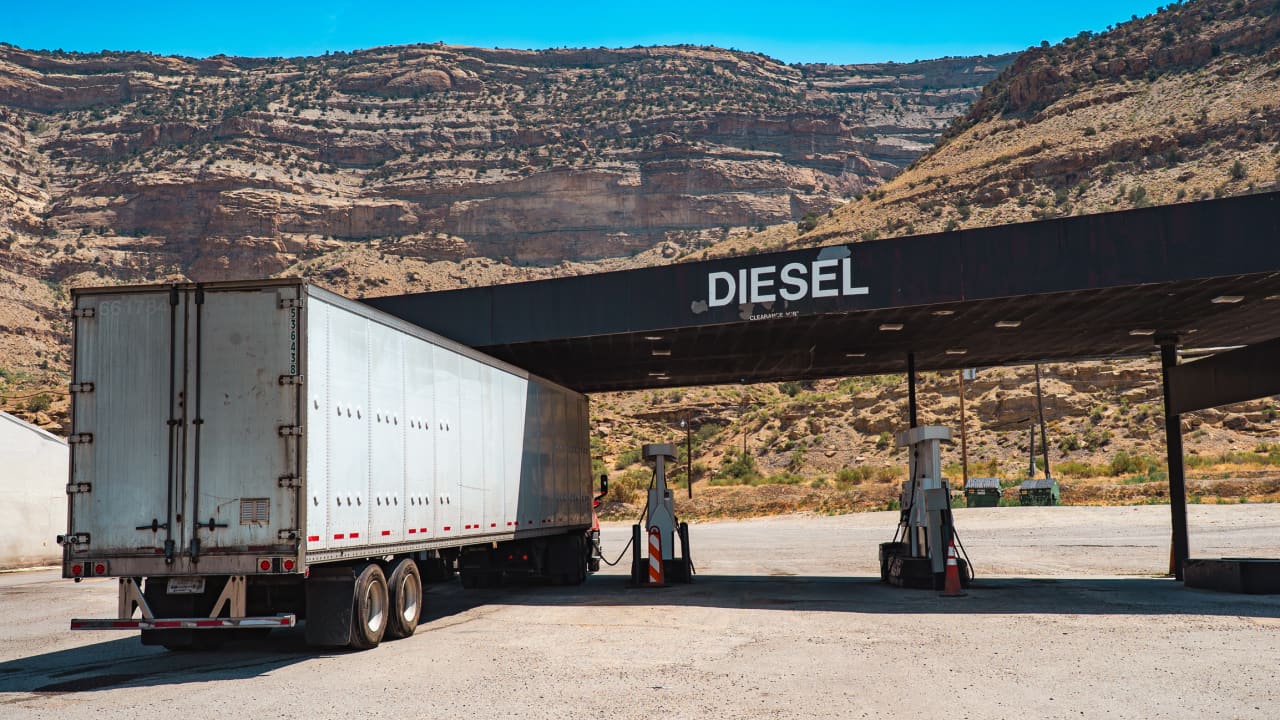
Image via MarketWatch
Diesel Stockpiles: The Quiet Market That Can Loudly Tax Everything You Buy
Market chatter turned into something more concrete after reporting that the U.S. asked Germany and France to release diesel stockpiles, with Reuters pegging the request at 120 million barrels over six months. Diesel is not a headline fuel like gasoline, but it’s the bloodstream of freight, farming, construction, and backup power.
The subtext is bigger than Europe helping out: it intersects with the political temptation of restricting U.S. diesel exports to bring domestic prices down. But markets are global whether politicians like it or not. If you cap exports, you can distort refinery incentives, tighten certain grades, and create the kind of whiplash that shows up later as higher costs in places you didn’t expect.
If Europe does release meaningful supply, it could ease near-term tightness and take some heat out of prices going into winter. That’s the good news. The bad news is it also signals policymakers know the system is fragile, and fragile systems don’t give you smooth outcomes.
🥃 Cole's Take: Diesel is a tax on the real economy, and it hits you whether you drive a truck or just buy things that arrive on one. If a U.S. export ban becomes more than a trial balloon, I’d expect volatility first and “mission accomplished” headlines later. Personally, I’d rather own quality energy infrastructure and refiners with discipline than try to trade politician-driven fuel spikes.
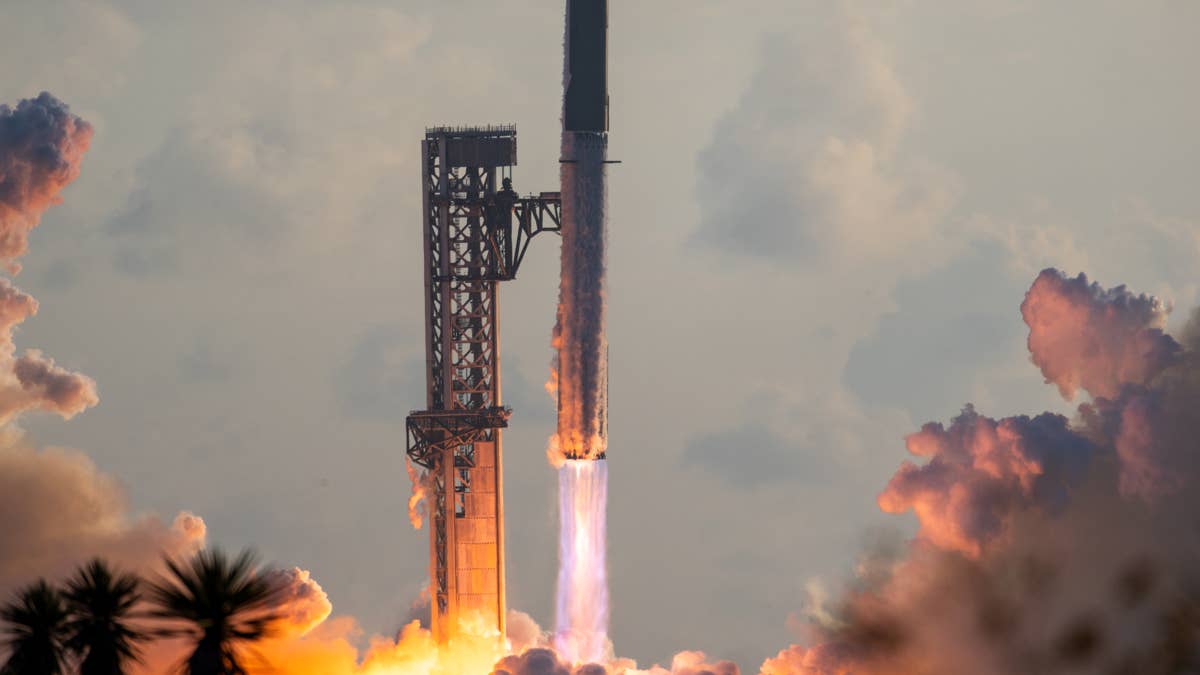
Image via TheStreet
SpaceX Gets a B+ After Flight 14: Progress, But Not the Victory Lap
Morgan Stanley reportedly gave SpaceX a B+ grade after Starship Flight 14, which targeted a first successful Earth-orbit test flight and the deployment of 26 operational Starlink V3 satellites. That’s a serious objective stack: orbit, payload deployment, and proving repeatable performance instead of just spectacular footage.
A B+ is analyst-speak for “meaningful progress, still not production-grade.” The market loves binary stories, but Starship is an engineering campaign measured in iteration. Each flight that moves from “can it fly” to “can it operate” changes the economics of launch, satellite deployment, and eventually the broader space industrial base.
The other thread here is Starlink. Operational V3 satellites matter because revenue is what turns a great engineering shop into an enduring compounder. If Starship reliability improves, Starlink scale improves, and the unit economics get uglier for competitors.
🥃 Cole's Take: I like the B+ because it’s honest: you pay up for SpaceX when the story is inevitable, and you get paid when execution proves it’s repeatable. If you can’t access it directly, don’t force it through second-rate proxies at any price. Watch for signals of cadence and reliability; that’s where valuation goes from dream to math.

Image via Outside Online
Blue Ridge, McDowell County: The Kind of Trip That Resets Your Risk Tolerance
Outside spotlighted McDowell County, North Carolina as a Blue Ridge basecamp with real variety: hiking, biking, paddling, and the sort of small-town access that doesn’t require a concierge or a reservation grid. If you want mountain air without the circus, this is the lane.
What I appreciate about places like this is the menu of effort. You can earn your dinner on a ridge hike, keep it mellow on the water, or chase miles on two wheels. And because it’s not built around one “signature attraction,” you don’t feel like you’re consuming a product; you feel like you’re using terrain.
Trips like this do something markets can’t: they compress your timeline. When you’re out there, you remember that wealth is supposed to buy time and options, not just screens and stress.
🥃 Cole's Take: If you’ve been glued to macro headlines, go to the Blue Ridge and let your nervous system catch up with your bank account. I’ve found my best portfolio decisions come after a few quiet miles, not after a doomscroll. Spend money on boots and a good map, and you’ll come home with better judgment than any talking head can sell you.

Image via Car and Driver
Aston Martin’s DBX GT: Same 717 Horses, Better Manners
Car and Driver previewed the 2027 Aston Martin DBX GT, a more elegant spin on the brand’s super SUV formula. Power stays at 717 horsepower, matching the DBX S, but the changes are where daily driving lives: retuned suspension and more ornate interior upholstery.
This is the luxury playbook when a model is already fast enough to be ridiculous. You stop chasing bigger numbers and start chasing feel. The fastest SUV is a party trick; the best-tuned SUV is something you’ll actually want to drive to dinner, to the airport, and yes, down a rougher road without regretting your life choices.
It also tells you something about the high-end buyer right now. People with money aren’t necessarily asking for more excess; they’re asking for refinement. In market terms, it’s less “beta” and more “quality.”
🥃 Cole's Take: A 717-horse SUV is inherently irrational, so the only way to justify it is to make it satisfying at normal speeds on normal roads. If the GT really improves ride and cabin quality, it’ll sell to the guy who’s done proving things. Just don’t confuse a luxury purchase with an investment; buy it because you’ll use it, not because you think it’s an asset.

Image via Golf.com
Caolan Rafferty: The Other Irish Slam, and a Reminder That Amateurs Can Still Be Giants
Golf.com profiled Caolan Rafferty, an amateur who became Ireland’s “other” grand slam winner six months after Rory McIlroy completed the career Grand Slam at Augusta in 2025. It’s a story that sneaks up on you because it isn’t built for the algorithm: not a global superstar, not a flashy tour narrative, just pure competitive output.
The Bridges Cup context matters, because team competitions expose a different kind of pressure than individual stroke play. You’re not only managing your swing; you’re managing what you mean to other people. That’s where temperament becomes a weapon.
I also like what this says about the ecosystem. For all the tech, data, and money in modern golf, the game still has room for a player who simply shows up prepared and unafraid. That’s refreshing.
🥃 Cole's Take: Rafferty’s story is a clean lesson for investing and life: you don’t need a brand to perform, you need reps and nerve. Most men I know could lower their handicap and improve their portfolio by doing fewer things, more consistently. Quiet excellence compounds, even when nobody’s filming it.
📎 Golf.com
That’s the Brief. Protect your downside, take your walks, and don’t let a headline trade your plan for you. See you next issue. Cole
— Cole Hargrove