Global tensions are quietly reshaping the market — and Street Ideas has identified three under-the-radar small-cap stocks tied to defense infrastructure, energy security, and next-generation technology that are already starting to move.
These shifts don't wait. Our free Market Themes Report breaks down exactly what's happening, why these sectors are heating up, and which three small-caps are appearing on our radar right now — before the crowd catches on.
Get the Free Market Themes Report*We encourage readers to perform their own research and due diligence on any information we provide. By clicking the link you will automatically be subscribed to the Street Ideas Newsletter.

Live Well. Invest Smart. No Apologies.
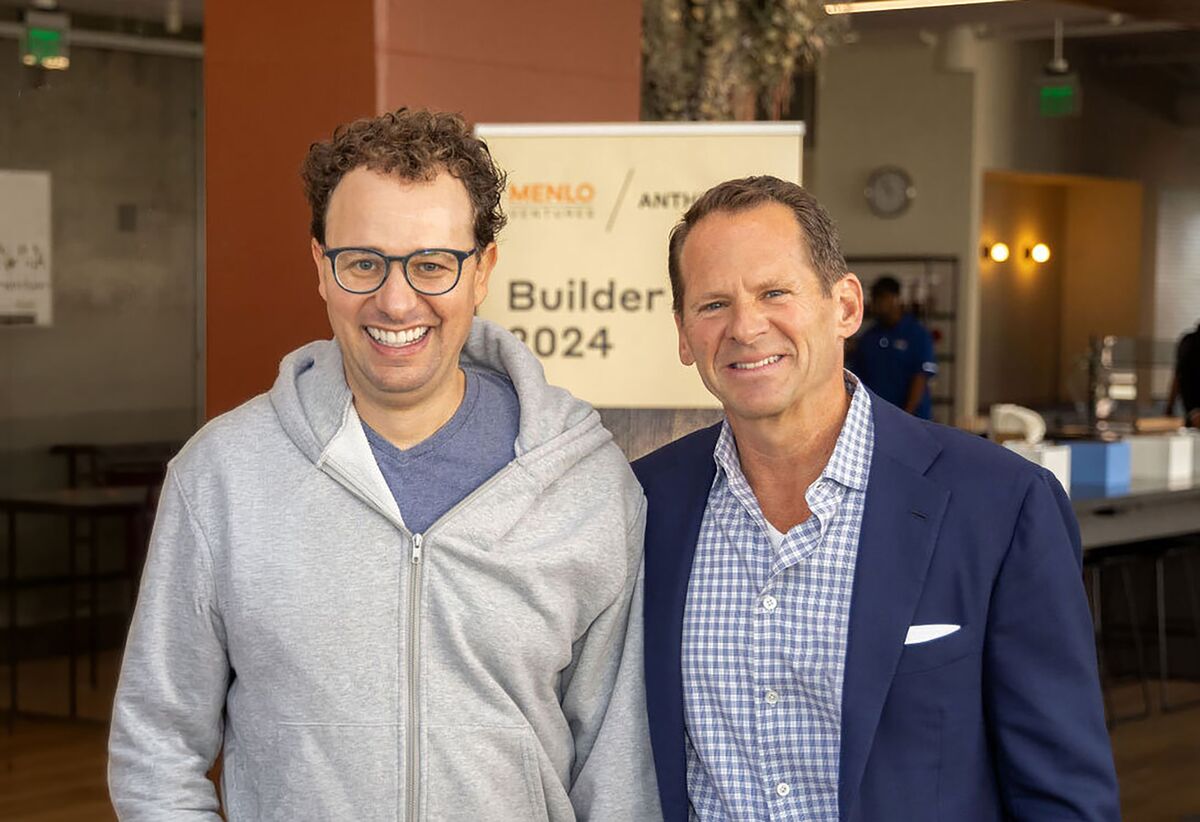
Image via Bloomberg
Menlo’s $3B Raise Is a Loud Bet That the AI Land Grab Isn’t Over
Menlo Ventures just pulled in $3 billion — its largest haul ever — and it’s hard to separate that number from one decision: leaning into Anthropic early, before the revenue story was pretty and before “AI infrastructure” became a cocktail-party phrase. In 2024, raising $500 million specifically to back an underdog versus OpenAI looked gutsy. In 2026, it looks like the kind of asymmetric bet LPs love to claim they wanted all along.
This matters beyond Menlo’s victory lap. The market has spent the last year asking whether AI is a bubble, a platform shift, or both — and fundraises like this answer in the most real way possible: capital allocation. Big, brand-name venture is telling you they expect multiple winners, more rounds, more compute spend, and more enterprise adoption — and they want dry powder for the next wave of model companies, tooling, security, and vertical AI.
It also hints at a second-order trend: institutional money is getting comfortable underwriting AI risk the way it once underwrote cloud. That doesn’t mean valuations won’t wobble. It means the long game is now “own the picks and shovels, and selectively own the miners.”
🥃 Cole's Take: I don’t chase AI headlines — I chase who’s getting funded, by whom, and with what conviction. A $3B haul tells me the smart money thinks this cycle still has runway, even if public markets throw tantrums. If you’re investing, favor durable infrastructure and cash-generating adopters over the flashiest demo.
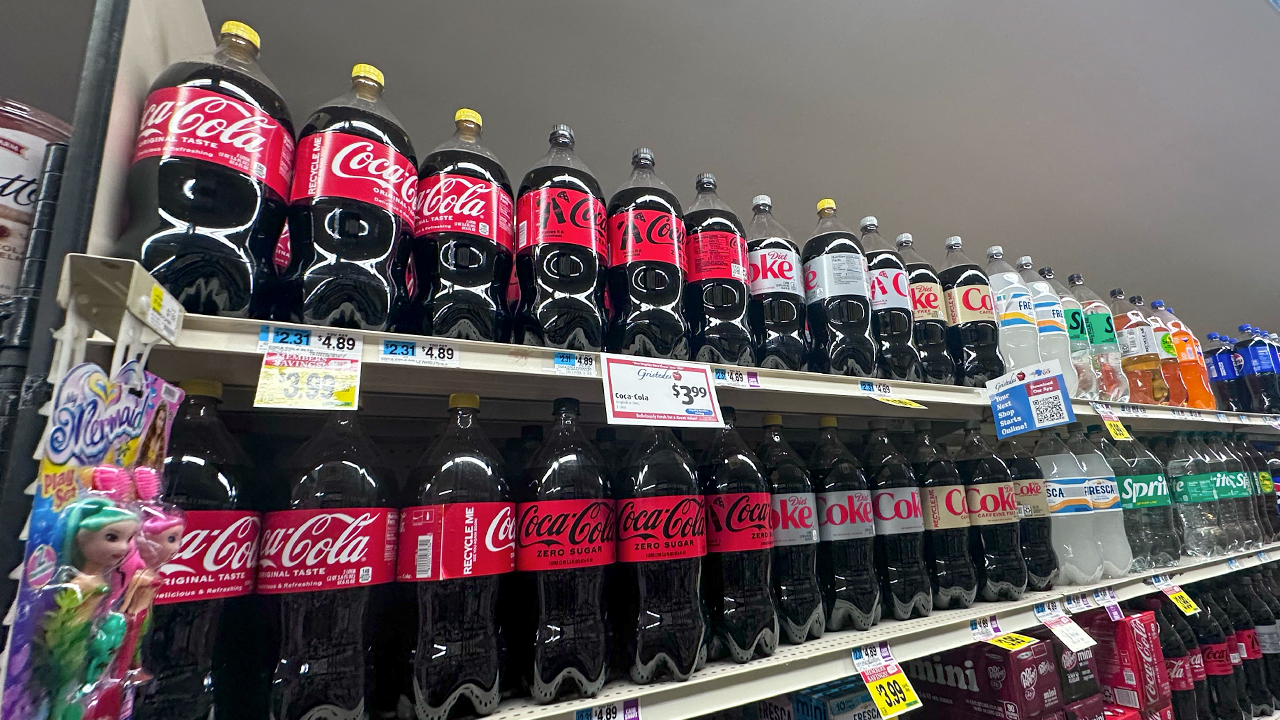
Image via Fox Business
Coke vs. IRS: A $20B Transfer-Pricing Fight That Every Global Investor Should Notice
Coca-Cola is taking its long-running dispute with the IRS to federal appeals court in Miami, with roughly $20 billion on the line. At the core is transfer pricing — the internal pricing multinational companies use to allocate profits across jurisdictions. It’s the kind of topic that makes eyes glaze over right up until it rewrites earnings, cash flow, and capital return plans.
This case is bigger than Coke. It’s a signal flare for any company with global IP, brand licensing, and overseas concentrate or manufacturing economics. When tax authorities decide they want a larger bite, they can reach back years. That creates a unique kind of risk: not “next quarter might be soft,” but “we might have to settle a decade of history.”
For shareholders, it’s also a reminder that the cleanest-looking consumer staples story can hide serious legal and policy exposure. Even if Coke ultimately negotiates or wins pieces of the argument, the time, uncertainty, and potential precedent matter — especially as governments hunt revenue without openly raising rates.
🥃 Cole's Take: If you own multinationals for stability, remember the quiet volatility lives in regulation and tax. I’m not selling a high-quality business just because lawyers are billing hours — but I do haircut “safe” valuations when a $20B outcome is in the room. This is why I like dividends, yes, but I love balance-sheet flexibility more.
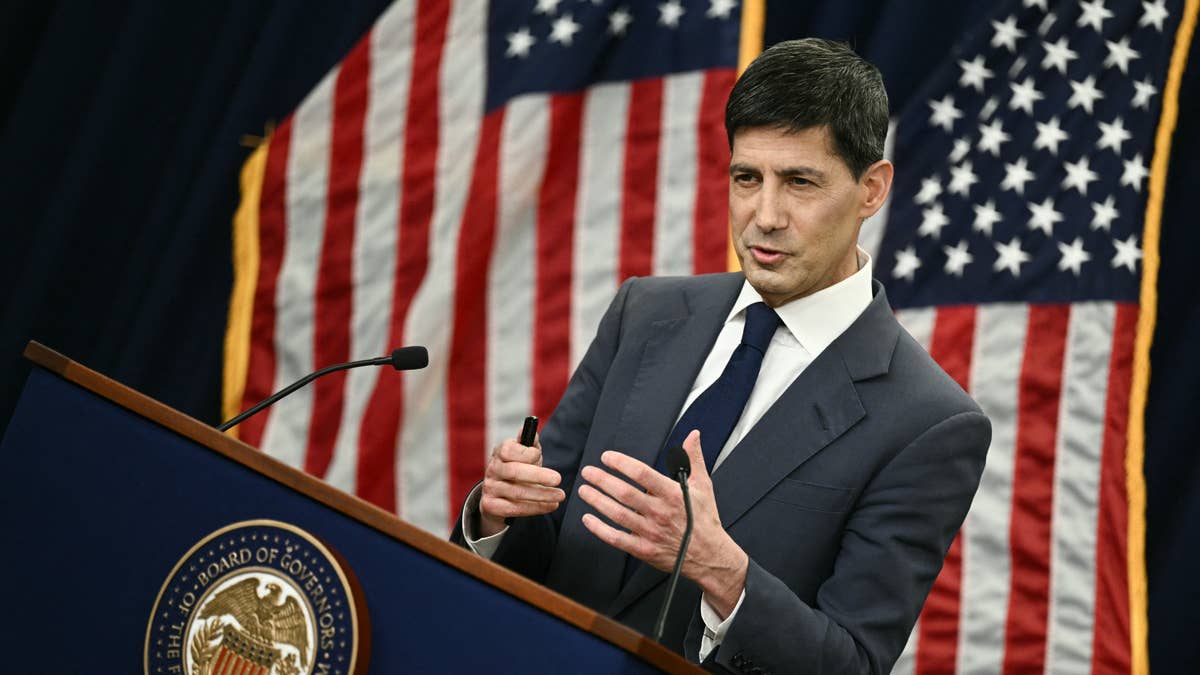
Image via TheStreet
Goldman’s Fed Read: When Guidance Gets Quiet, Volatility Gets Loud
Goldman is floating a view on what the Fed’s next move might look like under a Warsh-led era — and the key detail isn’t a specific basis-point call. It’s the setup: less forward guidance, fewer hand-holding narratives, and more market interpretation between meetings. When the Fed goes quiet, traders fill the silence with leverage.
The June FOMC meeting left watchers debating the path because the usual anchor points — tidy forecasts and explicit “we’re thinking about thinking about” language — weren’t as satisfying. In that kind of environment, the rate market can swing on incremental data, one hot inflation print, or a jobs report that’s “fine” but not fine enough. That spills into mortgage rates, small-business credit, and the cost of carrying everything from private equity to margin.
For real-world portfolios, the practical outcome is this: duration risk gets harder to manage and equity multiples stop feeling like gravity-free zones. You don’t need a recession to get repricing — you just need uncertainty plus a crowded position.
🥃 Cole's Take: When the Fed stops narrating, you need a process, not a prediction. I like staying laddered in high-quality short duration, keeping equity exposure tilted to pricing power, and avoiding “hope trades” that only work if rates fall fast. Quiet Fed, loud markets — plan accordingly.

Image via Outside
Ozark Lift-Served MTB Is Here — And It’s a Sneaky Tell About the New Outdoor Economy
Northwest Arkansas has been climbing the ranks as a mountain bike hub for years, and now it’s got a fresh trophy: its first lift-served bike park, with 20-plus gravity trails designed for all levels and open year-round. If you’ve ridden the Oz Trails scene, you know the vibe — purpose-built, community-driven, and shockingly polished for a place people used to fly over.
Lift-served changes the math. It turns a “nice weekend ride” destination into a repeatable, high-throughput experience — more laps, more visitors, more rentals, more food and lodging spend. It also extends the season and broadens who can participate, because not everyone wants to earn every descent with a lung-burning climb.
This isn’t just about thrills. It’s about how regional investment follows lifestyle migration. Trails, parks, and outdoor infrastructure are economic development tools now — the kind that attract talent, startups, and second-home money faster than another industrial park ever did.
🥃 Cole's Take: I watch places like this the way I watch emerging markets: follow the infrastructure and the repeat visitors. Lift-served MTB is a real demand signal, and it tends to pull in hospitality, real estate, and small business growth behind it. If you want “quality of life alpha,” this is what it looks like on the ground.
📎 Outside

Image via Robb Report
Blue Label, Knicks Energy: Luxury Spirits Keep Selling the Story, Not Just the Scotch
Johnnie Walker just gave its Blue Label a Knicks-inspired makeover — an implicit nod to the NBA’s new champs and a reminder that premium spirits marketing has fully crossed into culture-as-asset. The liquid may be familiar, but the packaging is the point: collectible scarcity, display value, and a tight connection to a moment people want to remember.
This is where high-end spirits have been headed for a while: limited drops, city and team references, and bottle design that screams “giftable.” It’s less about getting you to switch your everyday pour and more about owning an occasion — celebrations, client wins, milestone birthdays, trophy nights.
From an investor’s angle, the category still has strong pricing power at the top end. When consumers tighten up, they don’t always stop spending — they trade down in volume and trade up in meaning. A special bottle becomes a permission slip.
🥃 Cole's Take: I’m not paying a premium just for paint, but I respect the strategy: scarcity + cultural relevance keeps luxury resilient. If you’re building a bar worth handing down, buy what you’ll open, not what you’ll flip. And if the Knicks version makes you smile, that’s part of the return.
.jpg)
Image via WIRED
Meta’s $299 Smart Glasses: The Wearable Land Grab Gets Real (and Less Like a Gadget)
Meta’s new smart glasses hit today at $299, and the message is clear: they want smart eyewear to move from “early adopter toy” to “normal accessory.” Same basic playbook as the Ray-Bans — camera, microphones, and a built-in chatbot — but now it’s fully Meta-branded, cheaper, and offered in multiple styles, including one codesigned with Kylie Jenner.
The price matters because wearables only scale when they stop feeling precious. At $299, these sit closer to the “nice sunglasses” range, not the “tech splurge” category. Add AI features that are actually useful (quick capture, audio, prompts, hands-free queries), and you can see how this becomes a daily habit — which is exactly what Meta wants.
The bigger implication is competitive: eyewear is turning into a platform fight. Whoever owns the face owns the context — what you’re looking at, what you’re asking, what you’re buying. That’s advertising, commerce, and data gravity wrapped in acetate frames.
🥃 Cole's Take: I’m interested, but not naïve: the product is the Trojan horse, the business is attention and data. If you buy these, treat them like a camera that never leaves your body — great utility, real privacy trade-offs. As an investor, I read this as Meta pushing hard for the next interface before Apple or someone else locks it up.
📎 WIRED
That’s the brief. Protect the downside, stay curious on the upside, and if you need to think clearly this week — take the long walk, then make the trade. Cole Hargrove Editor, The Balanced Brief Live Well. Invest Smart. No Apologies.
— Cole Hargrove