While other sectors stall, AI investment is accelerating — showing up in earnings calls, corporate budgets, and real-world deployment. Capital is quietly concentrating around companies with clear demand and long-term relevance, and selective opportunities are forming right now.
A new research brief identifies 2 AI stocks trading under $15 that may be positioned for the next phase of growth — including key developments that could move these names in the months ahead.
Get the Free AI Stocks ReportBy following the link above, you're choosing to opt in to receive insightful updates from Investing Ideas Daily + 2 free bonus subscriptions! Your privacy is important to us. You can unsubscribe anytime. See our privacy policy for details.

Live Well. Invest Smart. No Apologies.

Image via Yahoo Finance
Stocks Grind Higher as Oil Drops, and Everyone’s Bracing for the Week’s Real Tests
U.S. stocks opened the week with a steadier tone as oil prices slid, giving inflation-watchers a little oxygen. When energy backs off, it’s like taking a sandbag off the market’s chest: transport, consumers, and anything rate-sensitive tend to breathe easier.
But let’s not confuse a calm Monday tape with a calm week. Traders are staring down a dense stretch of earnings, data, and central-bank noise, the kind of schedule that can flip sentiment in a single afternoon. When volatility returns, it usually shows up first in the stuff people thought was “safe” because it worked last month.
🥃 Cole's Take: Cheaper oil is a gift, but it’s not a strategy. If you’ve had a good run this year, use this kind of green open to rebalance, trim the froth, and make sure your cash and short-duration bucket is ready for opportunities. Busy weeks don’t just create risk; they create mispricings, and that’s where the real money gets made.
Albertsons Looks Like the Market’s Pricing a Permanent Mess
The bull case on Albertsons isn’t flashy, and that’s exactly why it can work. Grocery is one of those businesses that gets dismissed as low-margin drudgery, until you remember it’s also recurring demand, real estate leverage, and a customer relationship that lives five minutes from home.
The argument here is that the market is treating any turnaround as doomed before it’s had a chance to show up in the numbers. If execution improves even modestly, the setup can change fast: margin discipline, better merchandising, smarter promotions, and a cleaner cost structure can move the needle more than people expect in a “boring” business.
It’s still retail, and retail still punishes mistakes. But if expectations are already subterranean, you don’t need perfection to get paid; you need competence and a timeline the market can believe.
🥃 Cole's Take: This is the kind of name I’ll watch when everyone else is chasing the next AI headline. I’m not backing up the truck on groceries, but I respect asymmetric setups where the crowd has already declared failure. If you buy it, buy it like a professional: position size small, demand operational proof, and be willing to sell into a rerating instead of falling in love with the story.
Ford Wants “Shoe Drop” Custom Builds, Because the Aftermarket Is Where the Margin Lives
Ford is leaning into customization and accessories, aiming to turn vehicles like the Bronco into platforms, not just products. The logic is straightforward: the U.S. automotive aftermarket is enormous, and the add-ons often carry far better margins than the metal itself.
The “Nike shoe drop” framing is a tell. Ford wants scarcity, hype, and curated bundles that make customers feel like they’re buying an identity, not a car. Do it right and you create repeat purchases, dealer engagement, and a longer revenue tail per vehicle.
The hard part is execution across supply chain, dealers, and quality control. The aftermarket can be a gold mine, but it can also become a headache if fit, finish, and availability aren’t rock solid.
🥃 Cole's Take: This is exactly the kind of unsexy profit lever legacy automakers need: less price-warring on the base vehicle, more monetizing the lifestyle around it. If Ford can standardize quality and make ordering frictionless, accessories can be a quiet margin engine. Just remember: hype is fragile, and one badly handled launch can turn “drop culture” into “customer service hell” overnight.
📎 CNBC
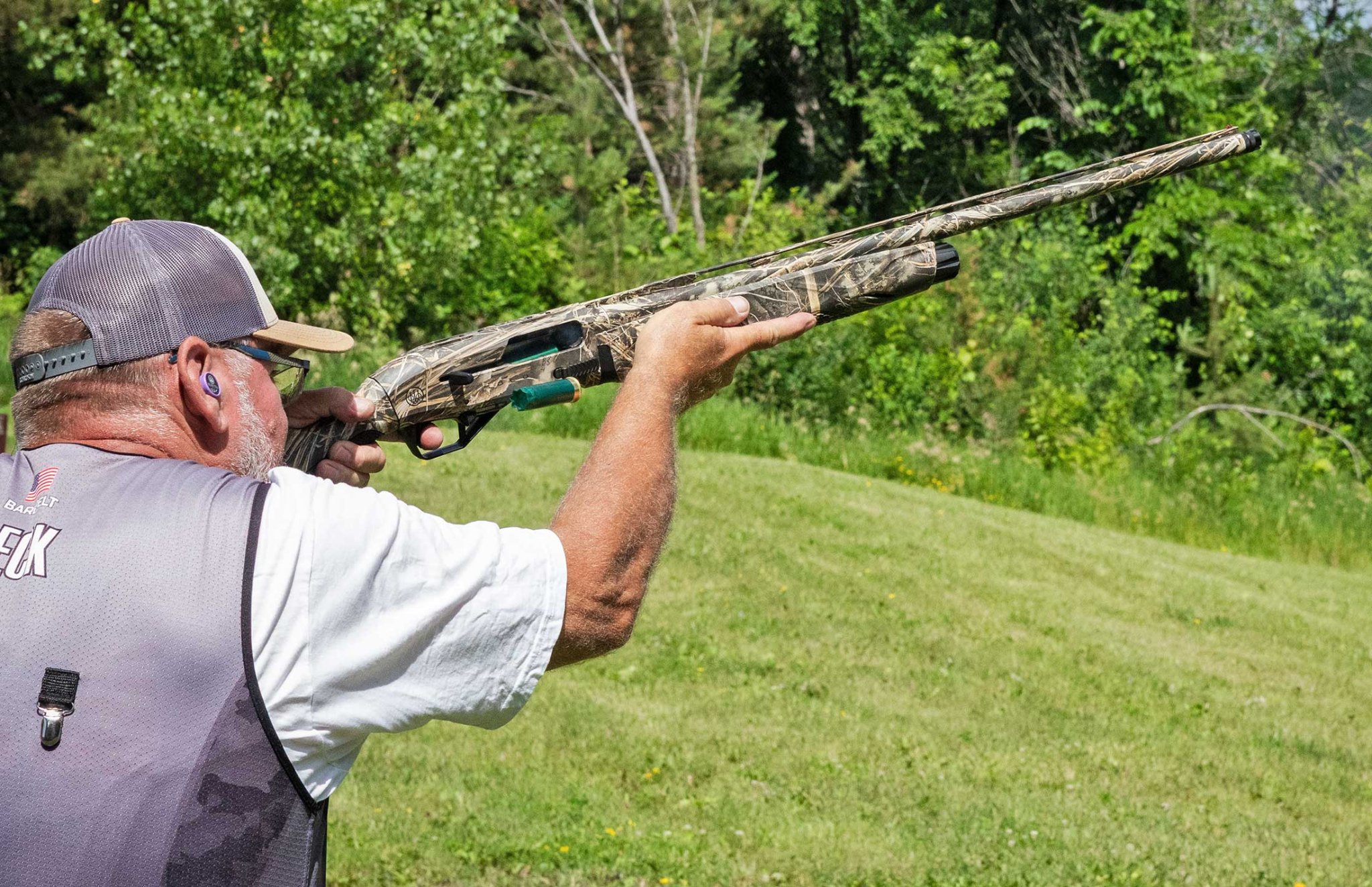
Image via Outdoor Life
Beretta’s A400 Solo Looks Like the Sweet Spot: Flagship Feel Without the Flagship Sting
Outdoor Life’s review of the Beretta A400 Solo makes it sound like the rare thing in the gun world: a model that borrows the performance cues of top-end waterfowl rigs, but lands at a price that doesn’t require a second mortgage or a trade-in.
For duck hunters, the value proposition is simple. Reliability in nasty weather, soft enough recoil to stay sharp through a long morning, and features that actually matter when your hands are cold and your heartbeat is loud. The “incredible value” claim only holds if it runs clean and consistent over time, but the A400 line has earned enough credibility that it’s not an empty promise.
If you’re building a kit for the next decade, this is the kind of purchase that pays you back every season: fewer malfunctions, less fatigue, more focus on the shot and the dog work.
🥃 Cole's Take: I like buying gear the same way I like buying businesses: proven platform, fair price, low drama. If you hunt hard and you’re tired of paying “flagship tax,” this sounds like a practical upgrade that won’t punish you later. Spend the savings on shells, a better wader setup, or a weekend scouting trip that actually improves your odds.

Image via GOLF.com
Koivun vs. Scheffler Was a Perfect Finish, but the PGA Tour’s 2028 Problem Is Coming for Everyone
The 3M Open got the kind of Sunday duel you can’t manufacture: Jackson Koivun taking down Scottie Scheffler in a finish that delivered star power, a fresh face, and actual drama. That’s what sponsors pay for and what fans remember.
The catch is structural. As the Tour calendar evolves and priorities shift, some stops face hard questions about status, fields, and relevance by 2028. The sport can’t keep asking every event to be “signature,” because the math doesn’t work, and the ripple effects land on tournaments that have been solid community anchors for years.
So you get this weird tension: a tournament proves its entertainment value in real time, while the long-term business model still threatens to squeeze it.
🥃 Cole's Take: Golf is healthiest when the middle of the schedule matters, not just the majors and the top-tier stops. The Tour should be careful not to optimize for exclusivity so hard that it hollows out the weekly product. If I’m running a sponsor budget, I want events that can produce moments like this, and I’d fight to keep them meaningful.
📎 GOLF.com
Image via Outside
Protein Coffee Is Everywhere, but It’s Not Magic and It’s Not Free
“Proffee” is exactly what it sounds like: mixing protein into your coffee, usually as a convenience play for people trying to hit daily protein targets. Outside dug into whether it actually boosts performance, and the key point is that the benefit is mostly nutritional math, not some new metabolic cheat code.
Protein helps with recovery and satiety, and caffeine can enhance performance. But combining them doesn’t automatically create a super drink; it just makes a more filling coffee that can support training if it helps you stay consistent. The pitfalls are real too: some mixes taste terrible, some upset your stomach, and depending on what you’re using, you can quietly turn a simple coffee into a sugar-and-calorie ambush.
For athletes, the best plan is still boring: adequate protein across the day, carbs timed around hard sessions, and caffeine used deliberately, not randomly.
🥃 Cole's Take: If proffee helps you hit protein without turning breakfast into a production, fine. Just don’t kid yourself that it replaces real meals or fixes sloppy training. My rule: keep the ingredients clean, watch the sugar, and if your stomach complains on a long run or a hard gym day, stop being stubborn and go back to what works.
📎 Outside
Cole Hargrove The Balanced Brief Live Well. Invest Smart. No Apologies.
— Cole Hargrove