It's not gas, groceries, or Medicare premiums. The fastest-rising cost quietly draining American retirees is housing — and Social Security's COLA isn't keeping up. The 2027 adjustment is projected at just 3.9% ($81/month), while rent, property taxes, insurance, and maintenance have surged by hundreds in just two years. Even if your home is paid off, you're still getting squeezed. The Senior Citizens League confirms it: every dollar of Social Security today is worth only 86.3 cents compared to 2016.
Central banks have already responded — buying one specific asset at the fastest pace in 50 years, with JP Morgan forecasting it hits $8,000. Disciplined retirees are making the same move now to protect what they've saved. You're making a decision today whether you realize it or not. Don't leave it to chance.
Get the Free Wealth Preservation GuideThis is an advertisement. If you no longer wish to receive our promotions, please unsubscribe here. Or write to: 5005 Lyndon B. Johnson Fwy. Suite 350, Dallas, TX 75244.

Live Well. Invest Smart. No Apologies.
Hormuz Stayed Open Yesterday. That Doesn’t Mean It’s Cheap Insurance.
Energy Secretary Chris Wright told CNBC that more than 17 million barrels of oil transited the Strait of Hormuz on Monday. The comment came during an interview in Venezuela, alongside news flow around President Trump’s newly announced oil deal with Caracas.
The takeaway isn’t just the size of the number; it’s the reminder that the world’s energy system still has a single choke point that can reprice your portfolio in an afternoon. When the market believes Hormuz is “fine,” volatility gets sold, hedges get trimmed, and everyone pretends the premium isn’t necessary until it’s suddenly mandatory.
🥃 Cole's Take: I don’t trade headlines, but I do price risk. If you’ve been lazy on energy exposure or you’ve let your inflation hedges drift, this is a clean moment to rebalance without panic spreads. Keep some quality energy cash flow in the mix, and if you’re going to own “insurance,” buy it when the neighborhood is quiet.
📎 CNBC
Anthropic’s $35 Billion Deal: The AI Arms Race Keeps Finding New Money
Barron’s flagged a $35 billion deal tied to Nvidia-backed Anthropic, with a big emphasis on what it isn’t supposed to be: “circular financing.” Call it what you want, the structure speaks to where we are in AI right now: capital is chasing compute, compute is chasing models, and models are chasing the right to become the default interface for work.
The market’s real signal is that the largest players are still willing to write enormous checks to lock in capacity, partnerships, and distribution. This isn’t 2021 vibes where you could slap “AI” on a deck and raise; this is the heavy-industrial phase of software, where balance sheets and supply chains matter as much as clever prompts.
🥃 Cole's Take: I like AI as a theme, but I’m picky about how to own it. When deals get this big, the easy money has already been made in the obvious names, and the risk shifts to valuation, execution, and regulatory blowback. If you’re late, don’t chase the headline; look for second-order winners in power, networking, and boring enterprise plumbing that gets paid even when model hype cools.
📎 Barron's
Credo Beats, Stock Drops: Welcome to the Part of the Cycle Where ‘Good’ Isn’t Good Enough
Credo Technology posted a fiscal Q1 beat, yet the stock fell anyway, according to Investor’s Business Daily. That’s not a contradiction; it’s the market telling you the bar has moved from “did you beat?” to “did you raise enough, and is demand durable?”
Semis and connectivity names are living under the AI spotlight, which means expectations can harden faster than earnings can catch up. In this environment, a beat that comes with conservative guidance, margin questions, or “timing” language gets punished, because investors are pricing the next two quarters, not the last one.
🥃 Cole's Take: This is where position sizing saves your blood pressure. If you own it, separate the company from the stock: the business can be improving while the multiple compresses. I’d rather add on real dislocations tied to forward visibility than average down just because the quarter looked “fine.”
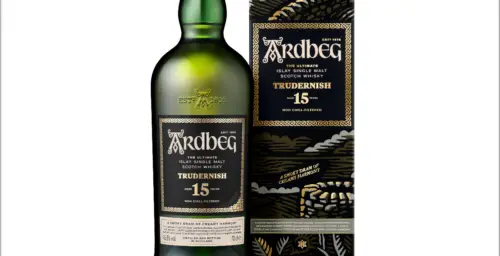
Image via The Whiskey Wash
Ardbeg Trudernish Is Here: A Permanent 15-Year That Might Actually Earn a Spot
Ardbeg unveiled Trudernish, its first permanent 15-year-old expression, named after a never-freezing well on Islay and already carrying a Double Gold pedigree. The key word is permanent, because the whisky world has been flirting with scarcity theater for years, and most of us are tired of hunting bottles like we’re day-trading.
A regular-release age statement from a brand like Ardbeg is a small but meaningful signal: distilleries are thinking longer-term again, and they’re willing to anchor a lineup with something that isn’t a limited drop designed to spike secondary prices. If Trudernish holds quality and stays available, it’s the kind of bottle you can actually buy, pour, and share without a spreadsheet.
🥃 Cole's Take: I love collectibles, but I love drinking my whisky more. If this lands with real Islay character and not just marketing copy, it’s a buy for the bar, not the safe. And if you’re still paying flipper premiums for every new label, you’re doing the whisky version of buying the top.

Image via Robb Report
Tankoa’s 148-Footer: Custom Boats Are the New Quiet Flex for Serious Wealth
Robb Report covered Tankoa’s launch of a fully custom 148-foot superyacht, the TX450, built bespoke for an experienced owner from the Middle East. The details matter less than the trend: ultra-high-end buyers are leaning into true customization, not just picking finishes from a brochure.
In markets, that reads like confidence and long-duration planning. Build slots, specialized labor, and long lead-time materials don’t move unless someone’s willing to commit capital years out. Even when public markets feel jumpy, the private luxury pipeline often tells you where real liquidity and conviction still live.
🥃 Cole's Take: I’m not in the market for 148 feet of anything except maybe fairway on a perfect day, but I watch this segment as a sentiment gauge. When bespoke builds keep moving, it usually means the top end is still flush and unbothered by rate noise. For the rest of us, it’s a reminder: own assets that throw off cash and optionality, not just paper gains.

Image via GOLF.com
Presidents Cup Picks: Snedeker Just Told You What He Values
Golf.com broke down the three biggest surprises from U.S. captain Brandt Snedeker’s Presidents Cup selections: a notable snub, a sleeper, and a talented young star. Captain’s picks are never just about current form; they’re about pairings, temperament, and who you trust to be steady when the match turns sideways.
This is the part of team golf most fans underestimate. You’re not building an all-star roster; you’re building a lineup that can absorb pressure, manage egos, and keep momentum when the other side lands a punch. Snedeker’s choices suggest he’s prioritizing fit and resilience over pure résumé.
🥃 Cole's Take: I like captains who pick for the format, not for the talk shows. The snub will get the headlines, but the sleeper pick is usually where matches are won or lost. If Sneds nailed the chemistry, the U.S. will look smart by Sunday even if the picks looked weird on Wednesday.
📎 GOLF.com
That’s the brief. Keep your hedges boring, your AI exposure deliberate, and your whisky on the shelf for friends who show up when it’s not convenient. See you next issue — Cole Hargrove, The Balanced Brief
— Cole Hargrove