Ex-Wall Street banker and CFA© Charterholder Tan Gera turned $57,000 into $1.87 million in 18 months — not by trading blind, but by reverse-engineering the same three-phase playbook BlackRock uses to manage $14 trillion. He rebuilt it for everyday investors with $50k+, and over 4,500 members are already using it in any market condition.
It's called the ABN System — designed to protect your capital when markets crash, generate income whether they rise or fall, and unlock opportunities before they go public. If you're holding digital assets right now, this framework could multiply what you're sitting on.
Copy BlackRock's $14 Trillion Playbook →*Results not typical. This email contains affiliate links. This content is for educational purposes only. The opinions expressed are from DM Intelligence LLC, doing business as Decentralized Masters, who are not licensed financial advisors or registered investment advisors. DM Intelligence LLC is not responsible for any losses, direct or indirect, resulting from the use of this information. Results vary. Success with digital currencies requires time, effort, and involves substantial risk including total loss of investment. Past performance does not indicate future results. All investments are at your own risk. Unsubscribe.

Live Well. Invest Smart. No Apologies.

Image via Yahoo Finance
Bank of America says we’re living in two economies — and your strategy has to pick a lane
Bank of America is putting a blunt label on what a lot of families already feel: the U.S. is running on two tracks. One economy has assets, pricing power, and jobs that ride the AI and capital markets wave. The other has wages that don’t keep up, higher sensitivity to rent, food, insurance, and any hiccup in hours worked.
In market terms, this shows up as a widening gap between households that can invest and households that can only consume. It also explains why headline data can look “fine” while consumer stress metrics quietly worsen. When the economy splits like this, volatility doesn’t disappear — it concentrates, and it hits the wrong places first.
Watch how this filters into policy and earnings. Politicians respond to pain, not averages, and corporations respond to the customer cohort that’s still spending. That mix can produce a market that grinds higher while large portions of the country feel like it’s 2008 with better iPhones.
🥃 Cole's Take: If you’re in the asset-owning economy, your job is to stay there. Own quality businesses, keep dry powder, and don’t let lifestyle creep turn you into the paycheck economy. The biggest risk in a “two Americas” setup isn’t a crash — it’s complacency that makes you fragile when the cycle turns.
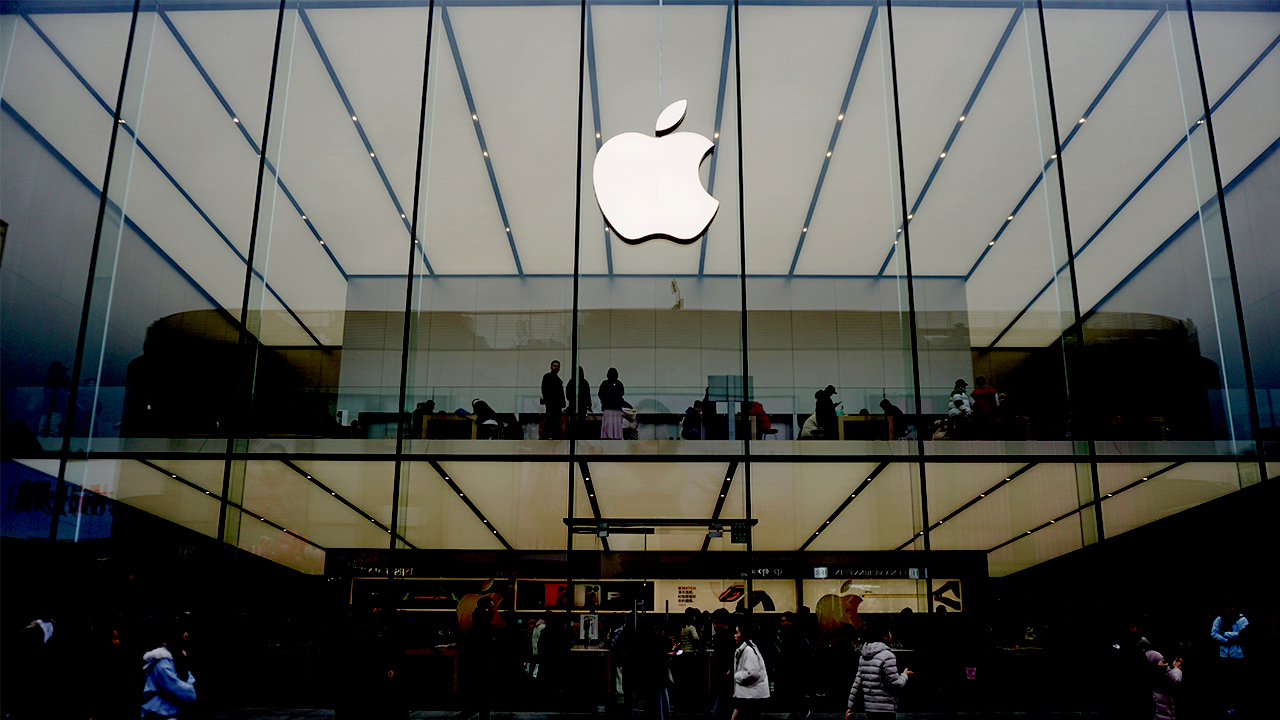
Image via Fox Business
Apple’s $30B U.S. chip push is a supply-chain bet — and a political one
Apple says it will invest more than $30 billion in U.S. chip manufacturing, tied to a long-term plan that targets production capacity onshore. The headline number is big, but the real message is bigger: Apple wants more control over critical components in a world where geopolitics, shipping, and export controls can turn into a profit warning overnight.
For investors, this is about de-risking. More domestic capacity can reduce single-point failures, improve lead times, and give Apple leverage across the supplier stack. It also plays well in Washington, where “strategic manufacturing” has become a bipartisan phrase that unlocks incentives, permitting tailwinds, and regulatory goodwill.
The second-order effect is that it strengthens the broader U.S. semiconductor ecosystem. When the biggest consumer electronics brand signals long-duration demand, it pulls capex, talent, and ancillary suppliers into the orbit — and that matters for everyone from equipment makers to packaging and testing.
🥃 Cole's Take: This isn’t charity, and it isn’t a photo op. Apple is buying resilience and optionality, and the market should treat it like an operational moat, not a cost line. If you want “AI exposure” without living and dying by the newest model headline, supply-chain winners around U.S. silicon are one of the cleaner ways to play it.

Image via MarketWatch
Oil pops as cease-fire talk cools — reminder: energy risk never stays “priced out”
Oil prices jumped after President Trump suggested the U.S.-Iran cease-fire is effectively over, calling dealings with Tehran “a waste of time.” Markets did what they always do when the Middle East temperature rises: they repriced the probability of disruption, even before any barrels actually come off the market.
This kind of move is less about today’s inventory data and more about the risk premium. Crude is one of the few assets that can gap on a headline and keep going if shipping lanes, infrastructure, or sanctions become real constraints. Even if nothing escalates, volatility itself becomes a tax on businesses that depend on stable transport and input costs.
For households, oil is the quiet multiplier. It shows up in airfare, delivered goods, road trips, and the grocery bill in ways most people don’t connect until they’re staring at the credit card statement. Energy doesn’t have to go parabolic to tighten financial conditions — it just has to stay stubborn.
🥃 Cole's Take: I don’t chase oil spikes, but I respect them. When crude wakes up, it’s a signal to tighten your budget assumptions and check your portfolio’s inflation sensitivity. If you’ve benefited from cheap energy psychology, hedge it with quality energy exposure or at least make sure your “growth” holdings can live in a higher-cost world.

Image via Robb Report
Barton 1792 drops a cask-strength bourbon and its first rye — and yes, it matters
Barton 1792, the Buffalo Trace sister distillery, just released two bottles that will get serious whiskey people to lean in: a cask-strength bourbon and the distillery’s first rye whiskey. In a market that’s been flooded with labels and “limited” everything, a well-executed cask-strength release still cuts through because it’s honest: no hiding behind proofing water.
The rye angle is the tell. Distilleries don’t add a new core style lightly — it’s a statement about where demand is going and how they want to diversify their portfolio. Rye has been climbing for years as drinkers look for spice, structure, and cocktails that don’t taste like liquid candy.
From a lifestyle lens, this is one of those small upgrades that pays you back. A great pour slows time down. It turns a regular Wednesday into a decompression ritual — the adult version of closing the laptop and stepping onto the back porch when the heat finally breaks.
🥃 Cole's Take: I like value in my glass the same way I like it in my portfolio: quality that doesn’t need a hype cycle. If you see these at a fair price, buy to drink, not to flip — the real return is enjoying it while everyone else argues about scarcity on the internet. And if Barton’s rye is good, it’s a green light that American whiskey’s next chapter won’t be just more bourbon labels.

Image via Car and Driver
The AMG GT63 Pro proves you can have track teeth without living in track misery
Car and Driver tested the Mercedes-AMG GT63 Pro and came away with the key point most grown men actually care about: it can be wild when you want it, and civilized when you don’t. That’s the whole game at this stage of life — performance that doesn’t punish you for commuting, date night, or a two-hour run out to the hills.
The GT63 Pro sits in that modern sweet spot where engineering is doing double duty: real speed, real braking, real cooling, but also the kind of refinement that lets you arrive without feeling wrung out. It’s a reminder that the best luxury isn’t flashy — it’s capability with manners.
There’s also a broader read-through here: high-end performance is increasingly about systems integration, not just horsepower. Software, chassis tuning, aero, and thermal management are the differentiators now, which is why the great ones feel cohesive and the mediocre ones feel like power looking for a plan.
🥃 Cole's Take: If you’re shopping this tier, the question isn’t “is it fast?” Everything is fast now. The question is whether it makes you want to take the long way home and still feels composed when you’re not trying to prove anything. That’s the kind of purchase that fits the Balanced Brief philosophy: enjoy the good life, but buy the version that won’t wear you out.
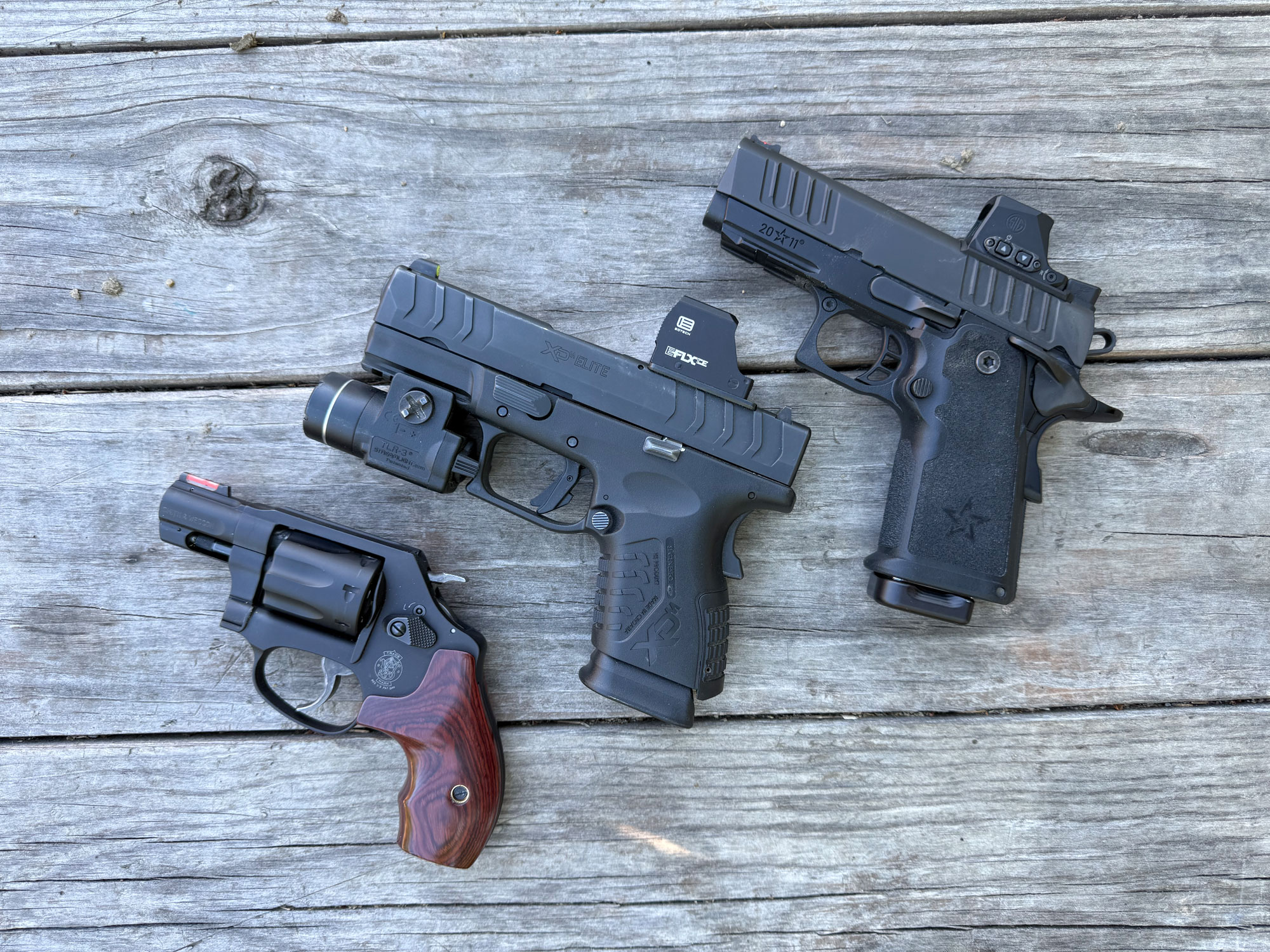
Image via Outdoor Life
Three concealed-carry picks from years of testing — the boring details that keep you safe
Outdoor Life laid out three favorite concealed-carry handguns after years of testing, and the emphasis is what you’d hope: practicality over internet drama. The concealed-carry world is full of loud opinions, but your daily reality is simpler — comfort, reliability, controllability, and a setup you’ll actually carry consistently.
The right choice depends on your body type, wardrobe, and tolerance for recoil, not what someone else shoots on a sunny range day. Capacity, sight picture, trigger feel, and how the gun rides in your holster for eight hours matter more than spec-sheet bragging rights.
There’s also a lifestyle parallel here: preparedness is a system, not a purchase. Training, safe storage, situational awareness, and knowing your local laws are the unglamorous parts — and they’re the parts that count.
🥃 Cole's Take: The best carry gun is the one you’ll carry every day, shoot well under stress, and maintain without excuses. Pick something proven, get professional training, and spend your ego budget elsewhere. Security, like investing, rewards discipline and punishes fantasy.
That’s the brief. Protect your downside, stay ready for opportunity, and make time this week for something outdoors that reminds you what the money is for. Cole
— Cole Hargrove