Markets are shifting — and most investors are missing it. The free Market Shift Report + Real-Time Watchlist breaks down exactly what's moving right now: policy impacts on economic trends, the return of supply-chain concerns, and what mixed consumer signals mean for the next quarter.
This complimentary report is only available for a limited time while these patterns are still developing. Don't get caught flat-footed — access it now before it's gone.
Get the Free Market Shift ReportWe encourage readers to perform their own research and due diligence on any information provided. By clicking the link above, you will automatically be subscribed to the Market Crux Newsletter. Privacy Policy

Live Well. Invest Smart. No Apologies.
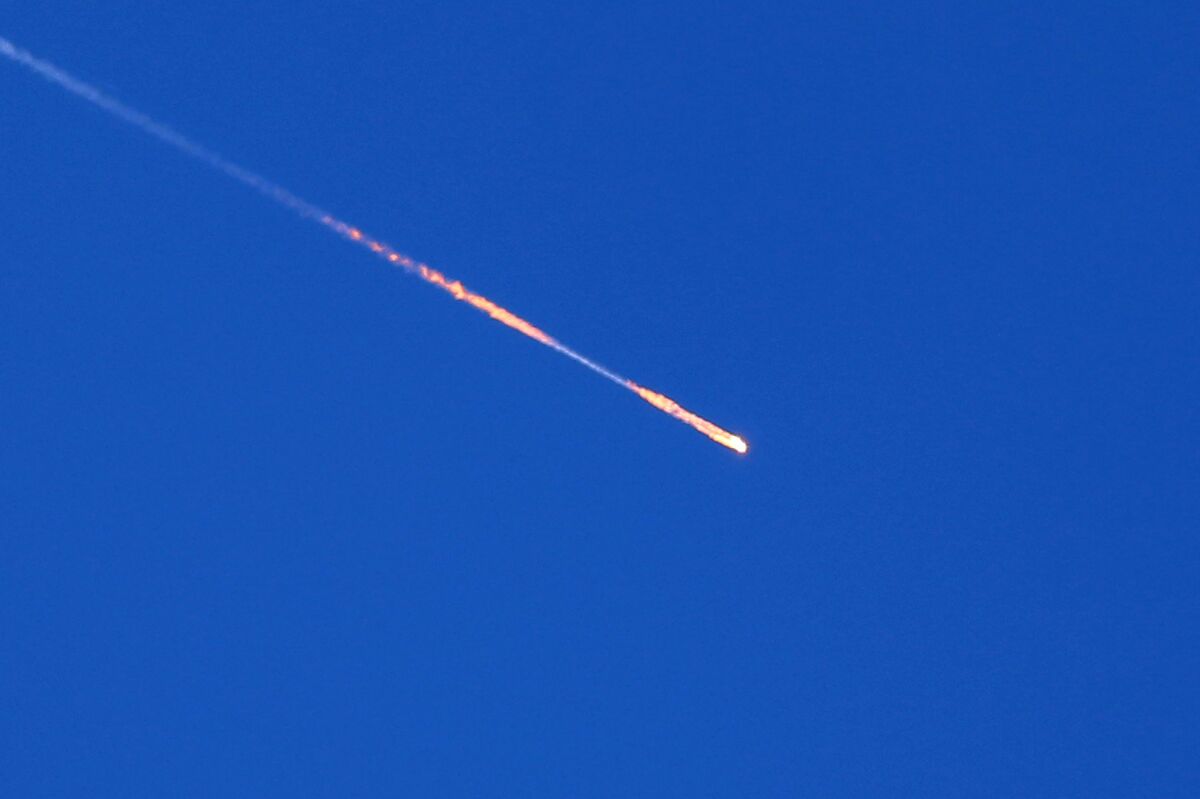
Image via Bloomberg
Hormuz Watch: The Ceasefire That Isn’t, and the Oil Market That Won’t Panic (Yet)
Two months into an Iran-war “ceasefire,” the keyword is still “shooting.” It hasn’t stopped, it’s just been contained enough that global trade keeps moving and the headlines don’t force a true risk-off stampede. The world has basically priced this as “managed volatility” around the Strait of Hormuz—until it isn’t.
What’s impressed me is how durable the macro backdrop has been in the face of an obvious tail risk. Oil has wobbled, shipping and insurance costs have gotten noisier, and everyone has a map of chokepoints open on a second monitor—but the global economy has muddled through. That’s not courage; it’s positioning. The market is leaning on the assumption that no one benefits from shutting the spigot.
Still, there’s a difference between a temporary scare and a structural premium. If you get a miscalculation—one tanker hit, one mining incident, one closure threat that looks credible—you can reprice crude and global inflation faster than any central banker can clear his throat.
🥃 Cole's Take: This is the kind of risk that doesn’t show up in your quarterly statement until it shows up all at once. I’m not betting on doomsday, but I do want some “boring” protection here: quality energy exposure, cash-like dry powder, and no overlevered bets that assume calm seas. If you’re traveling this summer, remember the same thing applies on the trail: most accidents happen when people assume the weather will stay friendly.
Bitcoin’s Slap in the Face, and the Stock-Market Casino That Comes With It
Bitcoin took another brutal leg down, and instead of scaring traders out of the room, it pulled them in closer. The action spilled into crypto-adjacent equities—miners, brokers, levered proxies, and the usual basket of “crypto, but with a ticker symbol your brokerage approves.” Volume pops during drawdowns are a tell: the market isn’t walking away, it’s trying to time the turn.
What stood out is the bullish positioning showing up in the equity complex even as the coin itself bleeds. That’s classic: traders prefer optionality, and public stocks often offer it—especially when short interest, volatility, and “I can’t own the token in this account” collide. The problem is that these names can trade like 2x or 3x bitcoin on the way down, too.
If you’ve been through enough cycles, you know the rhythm: bitcoin drops, weak hands puke, a few operators build size quietly, and retail shows up late because the chart looks “safe” again. The only question is whether this is a normal flush or the kind that breaks a business model on the equity side.
🥃 Cole's Take: I still treat crypto like offshore fishing: thrilling, useful in the right season, and dangerous when you ignore the weather. If you want exposure, size it like a speculative sleeve and choose the cleanest balance sheets you can find—because leverage plus volatility is how people learn humility. And don’t confuse “busy trading” with “smart investing.”
📎 CNBC
Huntington at Morgan Stanley: A Regional Bank Talking Like a Survivor
Huntington Bancshares took the stage at Morgan Stanley’s U.S. Financials Conference, and the subtext matters more than the slides. Regionals are still living in the post-shock world: deposit behavior is more rate-sensitive, funding costs are stickier than bankers want to admit, and everyone’s watching credit quality like a hawk—commercial real estate included.
Conference appearances like this are part investor relations, part stress test. Management teams know the market is grading them on three things: deposit stability, net interest margin durability, and whether credit issues are “contained” or “creeping.” The stronger teams talk clearly about mix shifts, pricing discipline, and what they’re not chasing—even when growth is there for the taking.
The other angle is strategic: survivors of the last couple years have an opportunity to take share if they keep underwriting tight and avoid the temptation to buy growth with bad pricing. That’s how you turn a messy cycle into a franchise-building moment.
🥃 Cole's Take: I like banks that act like adults in a cycle—measured growth, conservative credit, and zero desperation for deposits. Regionals can be great compounders, but only if management respects funding risk and doesn’t pretend duration is “somebody else’s problem.” If you own them, own them for resilience, not for a quick multiple pop.
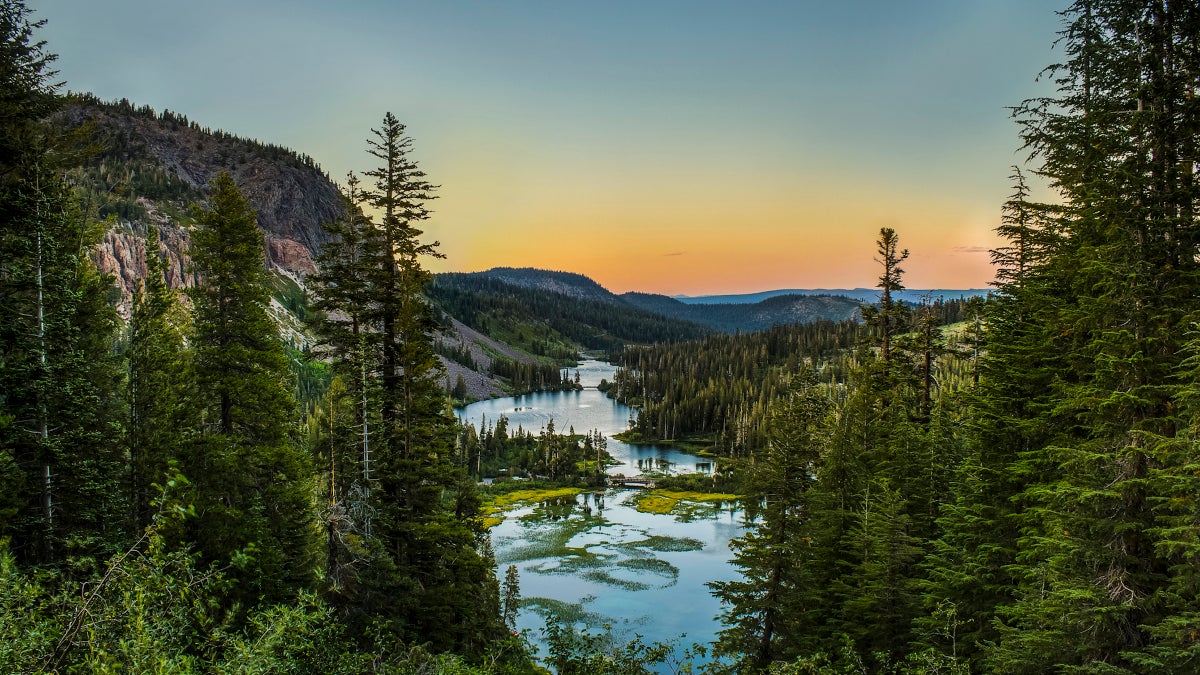
Image via Backpacker
100 Alpine Lakes, 10 Worth Your Day: The California Reset Button
There’s a California mountain town with roughly 100 alpine lakes in striking distance, and Backpacker laid out the best 10 hikes to get you to the good stuff—clear water, granite bowls, and that thin-air quiet you can’t buy with a first-class ticket. It’s the kind of list that makes you want to throw a cooler in the truck and go earn a swim.
What I like about alpine-lake hiking is the built-in discipline: you pay up front in effort, and you get paid back in calm. Pick a couple of routes that match your conditioning and your crew’s tolerance for elevation. Then bring the boring essentials—layers, water treatment, and enough calories to keep the mood civil on the way down.
If you’re wired like most of my readers, you spend plenty of time optimizing portfolios. This is the opposite: you simplify the inputs and let the environment do the work. That’s the point.
🥃 Cole's Take: Consider this your reminder that the best “luxury” isn’t a room rate—it’s access. A morning hike to cold water will do more for your decision-making than another doomscroll through macro takes. And yes, the best investment you can make this month might be boots that don’t blister.
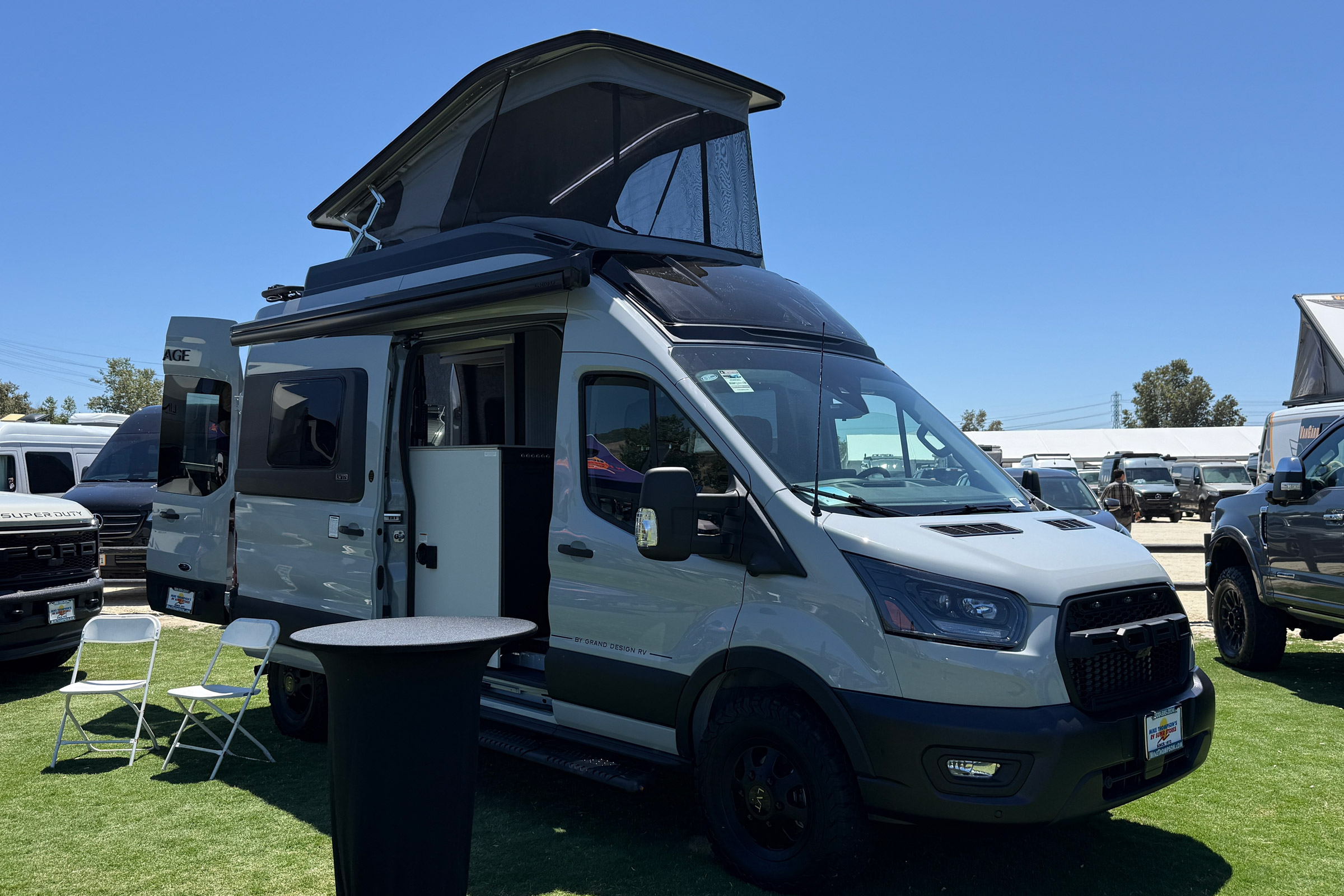
Image via Off Road Xtreme
Adventure Van Expo: Peak Freedom, Peak Gear Temptation
The Adventure Van Expo kicked off its 2026 tour in San Juan Capistrano, and it’s a rolling showcase of modern escape plans: off-grid vans, expedition rigs, power systems, suspension setups, rooftop tents, and enough neatly packaged “solutions” to empty a savings account in an afternoon. The scene has matured—less novelty, more serious builders and serious buyers.
The interesting part is how the category keeps professionalizing. Better electrical systems, smarter storage, lighter materials, and an arms race in comfort that’s basically turning vans into small, mobile cabins. It’s also a window into consumer demand: people still want optionality—mobility, self-reliance, and a way to travel that isn’t chained to flight delays and hotel pricing algorithms.
If you’ve ever looked at a van build and thought, “I can justify this,” you’re not alone. But the economics matter: depreciation is real, maintenance is real, and the accessory rabbit hole is bottomless.
🥃 Cole's Take: If you’re buying, buy the layout you’ll actually use and the power system that matches your habits—not the one that looks tough on Instagram. Rent first, then spec second; it’s the same rule as markets: test the thesis before you size the position. And for the love of cash flow, don’t finance a toy like it’s an asset.
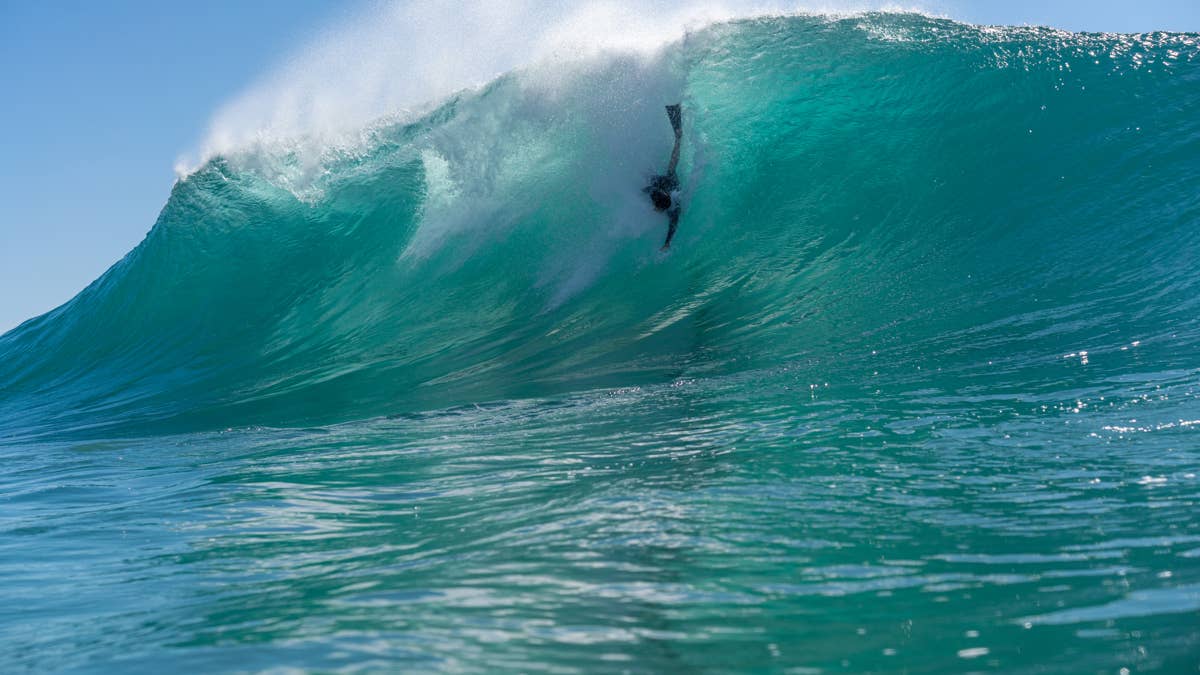
Image via Surfer
The Wedge Is About to Get Serious—and Erosion Took Away the Safety Margin
A historic south swell is lining up for Newport’s Wedge, and the timing is brutal: years of erosion have stripped the beach of sand that normally acts like a buffer. When the shoreline shifts, everything changes—wave shape, rebound, where the energy unloads, and how quickly conditions go from “spectacular” to “unforgiving.”
Big swells draw crowds, and crowds create secondary risk: more people in the impact zone, more rescues, more bad decisions made five feet from the waterline. The Wedge isn’t a novelty break; it’s a heavy, technical wave that punishes hesitation. With less sand, there’s less room for error—literally.
This is also a quiet reminder that climate and coastal management aren’t abstract topics. Erosion isn’t just “a future problem.” It changes access, safety, and local economies right now.
🥃 Cole's Take: If you’re going to watch, watch like a grown man: give it space, respect the ocean, and don’t let adrenaline rewrite your risk tolerance. The market has its own version of the Wedge—moments when volatility and leverage meet a thin margin of safety. When the buffer’s gone, you don’t “manage” risk; you avoid it.
📎 Surfer
Cole Hargrove The Balanced Brief — Live Well. Invest Smart. No Apologies. From outside Nashville: markets open, smoker warm, and I’m keeping one eye on Hormuz and the other on my own position sizes.
— Cole Hargrove