Markets are shifting — and most investors are missing it. The free Market Shift Report + Real-Time Watchlist breaks down exactly what's moving right now: policy impacts on economic trends, the return of supply-chain concerns, and what mixed consumer signals mean for the next quarter.
This complimentary report is only available for a limited time while these patterns are still developing. Don't get caught flat-footed — access it now before it's gone.
Get the Free Market Shift ReportWe encourage readers to perform their own research and due diligence on any information provided. By clicking the link above, you will automatically be subscribed to the Market Crux Newsletter. Privacy Policy

Live Well. Invest Smart. No Apologies.
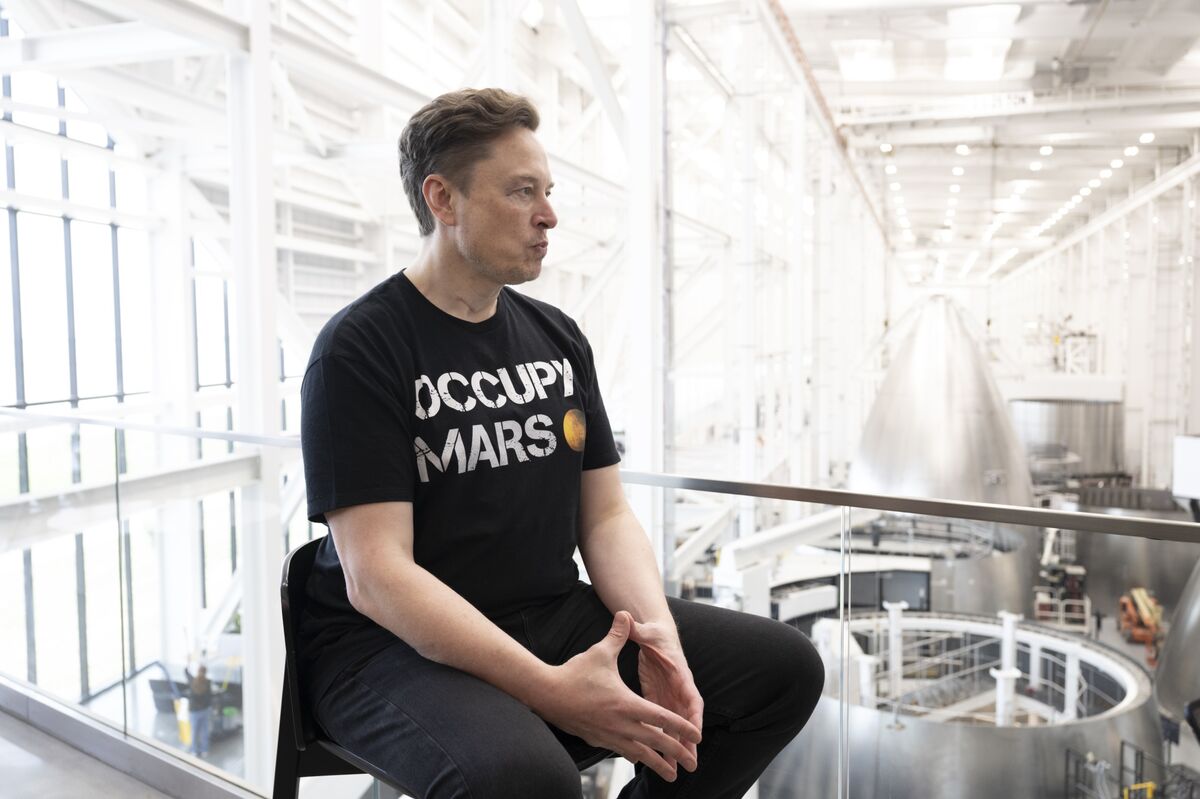
Image via Bloomberg
SpaceX Files — And the Real Story Isn’t the Rocket, It’s the Timeline
SpaceX’s IPO filing is out, and Bloomberg’s read is dead-on: this is classic Musk—part audacity, part chess move, part marketing grenade. The big headline is timing: shares of SPCX could start trading June 12, which tells you this isn’t a “someday” liquidity event. It’s a near-term market moment, and it’s coming fast.
The filing also reads like a signal flare to two audiences: regulators and competitors. On one hand, it’s a maturity flex—“we’re real, we’re bankable, we’re public-ready.” On the other, it’s a dominance move in a space economy that’s suddenly hot again, with “space stocks” catching a bid and retail money sniffing for the next NVDA-style story.
🥃 Cole's Take: If this lists on June 12, don’t confuse excitement with edge. Early pricing on iconic IPOs is where amateurs donate money to professionals. Watch the structure, the float, and the insider lockups like a hawk—because Musk doesn’t do “normal,” and that cuts both ways.

Image via TheStreet
Bank of America Flags Walmart’s Pullback — Defensive Doesn’t Mean Dead
Walmart’s stock has backed off, and Bank of America is stepping in with a bold call that the dip may be a fresh entry point. That’s not a sexy message, but it’s the kind that tends to age well when the economy gets uneven and consumers start trading down.
Walmart’s advantage isn’t just scale—it’s data, logistics, and the quiet reality that they’ve become a hybrid of retailer + distributor + ad platform. When budgets tighten, Walmart doesn’t just hold share; it often gains it. And if rates stay higher-for-longer, “boring cash-flow machines” tend to look a lot better than story stocks with fragile margins.
🥃 Cole's Take: I don’t buy Walmart for fireworks—I buy it when the market forgets what stability is worth. If you’re building a portfolio you can sleep on, WMT is the kind of name you add on weakness and stop overthinking. Just don’t expect it to outrun the high-beta stuff in a full risk-on melt-up.

Image via Forbes
Ackman’s $64B UMG Push Hits a Wall — Bolloré Says “Not Even Close”
Bill Ackman’s $64 billion bid for Universal Music Group just ran into a major obstacle: Bolloré, a key shareholder, is urging UMG to reject it, arguing the offer undervalues the company. In deals like this, that’s not background noise—that’s a front-door problem.
UMG is one of the cleanest “own the picks-and-shovels of culture” businesses on the planet. Streaming stabilized the model, catalogs became financial assets, and pricing power didn’t disappear—it just moved into licensing, bundling, and platform negotiations. If a cornerstone holder thinks you’re lightballing, you’re not negotiating price anymore—you’re negotiating credibility.
🥃 Cole's Take: Ackman may still get something done, but not at a price that makes new buyers feel clever. Music rights are treated like prime farmland now—scarce, durable, and fought over by capital that doesn’t need to rush. If this turns hostile or drags, UMG’s stock becomes a sentiment gauge for “real assets” versus “cheap money.”
📎 Forbes

Image via GOLF.com
Colonial Week: Charles Schwab Challenge Tee Times Are Out — And This Course Always Tells the Truth
Round 1 groupings for the 2026 Charles Schwab Challenge at Colonial are set, with names like Rickie Fowler and Keegan Bradley in the mix. Colonial isn’t a bomb-and-gouge contest—it’s a second-shot course that punishes ego and rewards adults.
That’s why I love this week. You get a clean read on ball-striking, course management, and who’s willing to take par and move on. In a season where power can mask sloppy decision-making, Colonial forces the issue: hit fairways, control distance, don’t get cute.
🥃 Cole's Take: This tournament is a reminder of how wealth works too: the scoreboard favors precision, not adrenaline. If you’re betting (or just watching with a whiskey), track the guys who stay patient early—Colonial crowns the steady hand more often than the hot hand.
📎 GOLF.com

Image via Popular Mechanics
A Forgotten Staircase Leads to a 400-Year-Old Burial Vault — History Has a Balance Sheet
Archaeologists followed what sounded like nothing—just a forgotten staircase—and it opened into a 400-year-old burial vault. Discoveries like this hit you in the chest because they’re not abstract history; they’re physical reminders that entire lives get compressed into artifacts, architecture, and whatever survived the damp.
Popular Mechanics teases the best part—what was inside—and that’s the hook for most readers. But the deeper point is how easily meaning gets buried, literally, by time and bad record-keeping. One hidden access point and suddenly the past becomes legible again.
🥃 Cole's Take: I’m a markets guy, but this is the same lesson: what’s “missing” often isn’t gone—it’s just not being looked for in the right place. Whether it’s family history or an undervalued asset, the edge comes from curiosity plus patience. And occasionally, the willingness to walk down the staircase nobody bothered with.
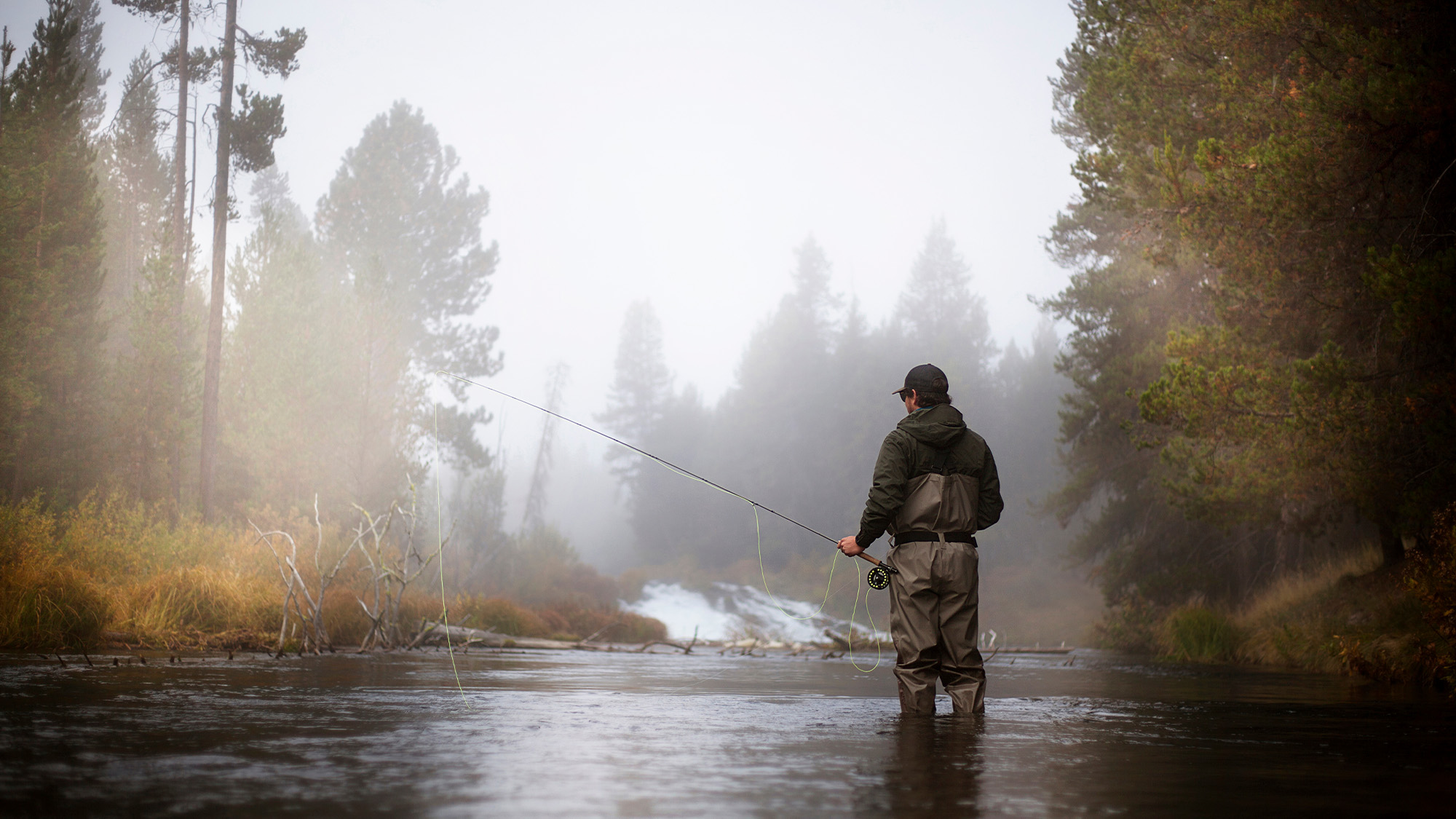
Image via Outdoor Life
Oregon’s Hunting/Fishing Ban Push Nears the Ballot — This Isn’t About Animals, It’s About Control
An initiative in Oregon—Initiative Petition 28 (IP28)—aiming to ban hunting and fishing is reportedly past the signature threshold and one step closer to appearing on the November ballot. The campaign is being driven by animal-rights activists and backed by paid signature gathering, which tells you it’s organized, funded, and serious.
If you hunt, fish, or simply believe public lands should remain publicly usable, this is the kind of measure you don’t ignore until the last month. Beyond the cultural fight, there’s an economic one: licensing dollars, conservation funding models, rural businesses, access rights, and wildlife management all get hit when policy is written by people who don’t participate in the system they want to dismantle.
🥃 Cole's Take: I don’t live in Oregon, but I know the playbook: frame it as morality, then strip access, then starve the conservation engine that hunters and anglers largely bankroll. If you care about the outdoors, you can’t be “apolitical” about ballot initiatives like this—because the other side isn’t.
Cole Hargrove — Keep your powder dry, your brisket slow, and your capital ready.
— Cole Hargrove