A little-known force is now controlling the S&P's price action — and most traders have no idea it exists. A former VP of a trillion-dollar firm has spent years cracking it, and the results speak for themselves: a 79.4% win rate with same-day returns like 176% and 75.4% — up or down market, it doesn't matter.
This isn't mainstream. It won't be on CNBC. But right now, you can get the full breakdown — including how to use this force to target double- and triple-digit moves today. Don't sit this one out.
Get the Free Breakdown NowWe develop tools and strategies to the best of our ability, but we can't guarantee the future. In LIVE trading alerts in real time from 08/23/24 to 3/28/26, the strategy is 54-14, with an overall win rate of 79.4% and an average return (winners and losers included) of 59.3%, with an average winner of 86.8% over a 1-day hold time. Trade at your own risk. By clicking the link above you agree to periodic updates from The TradingPub and its partners. Privacy Policy.

Live Well. Invest Smart. No Apologies.
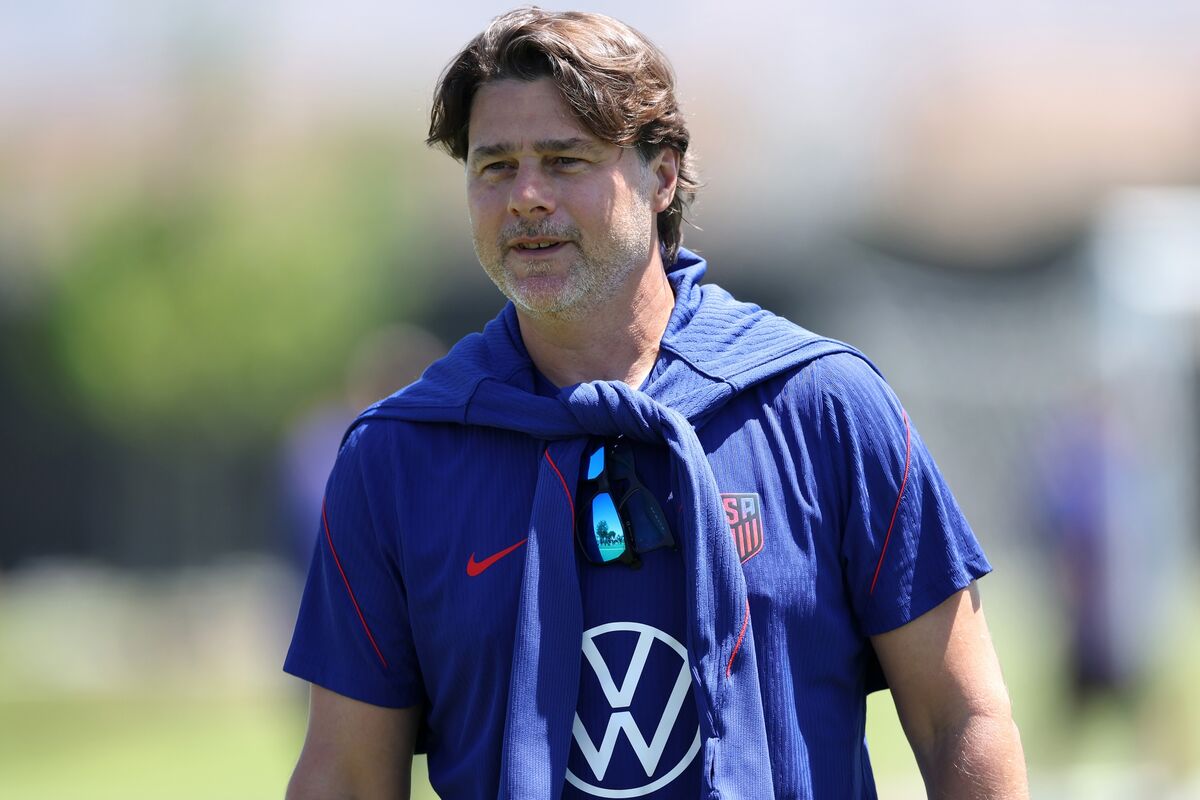
Image via Bloomberg
US Soccer’s Quiet Money Play: Hedge Funds, Billionaires, and a Long Shot at Glory
In American sports, “winning” usually gets sold as culture, coaching, and grit. Underneath it, it’s governance and cash—patient, persistent cash. Scott Goodwin’s rise as a serious US Soccer donor started with a casual text in 2024 and turned into something more structured: a push to modernize a program that’s historically been allergic to ruthless excellence.
The Bloomberg piece lays out how this isn’t just philanthropy—it’s a strategy. You can’t buy a World Cup, but you can buy better systems: player development, scouting, staff depth, analytics, and the boring operational horsepower that elite federations treat as non-negotiable. The Ken Griffin orbit matters here too—big-capital donors don’t just write checks; they bring expectations, timelines, and a willingness to challenge legacy complacency.
What’s interesting is the hedge-fund mindset applied to a federation: identify structural underperformance, fund the edge, demand measurable progress. If US Soccer wants to matter on the men’s side the way the women’s program has, this is the unglamorous work. It’s less “rah-rah” and more “build a machine.”
🥃 Cole's Take: I’m all for “quiet money” if it’s tied to accountability and infrastructure, not vanity projects and photo ops. The US has the athlete base; what we’ve lacked is the professional-grade pipeline and governance to turn potential into inevitability. Treat it like a turnaround investment: clear KPIs, hard decisions, and no sentimental attachment to how it’s always been done.

Image via Forbes
Musk Down $50B on Tesla—Still Chasing Trillionaire Altitude on the Next IPO
Elon Musk’s net worth can drop $50 billion and still feel like a rounding error in the larger narrative: Tesla volatility on one side, a new liquidity event on the other. Forbes notes the latest Tesla slide hit his fortune hard—even as the market is already gaming out an aerospace stock debut that could push him toward becoming the first trillionaire.
This is the modern billionaire flywheel: one public asset gets repriced, another gets teed up for a debut, and the story stays intact as long as capital markets remain open. The danger for everyday investors is confusing “founder wealth mechanics” with “good entry point.” Tesla can be a great company and still be a brutal stock when sentiment, margins, and competition are in knife-fight territory.
The trillionaire talk makes headlines, but the real signal is this: high-profile IPO pipelines are back in fashion, and risk appetites are thawing. When that happens, you want to separate durable cash-flow stories from narratives built on optionality and charisma.
🥃 Cole's Take: Musk’s wealth swings are a reminder that concentration risk is real—even when you’re famous. If you’re a normal investor, don’t copy the founder playbook; you don’t have the same information, leverage, or exit paths. Watch the aerospace IPO for market temperature, not as a reason to ignore valuation discipline everywhere else.
📎 Forbes
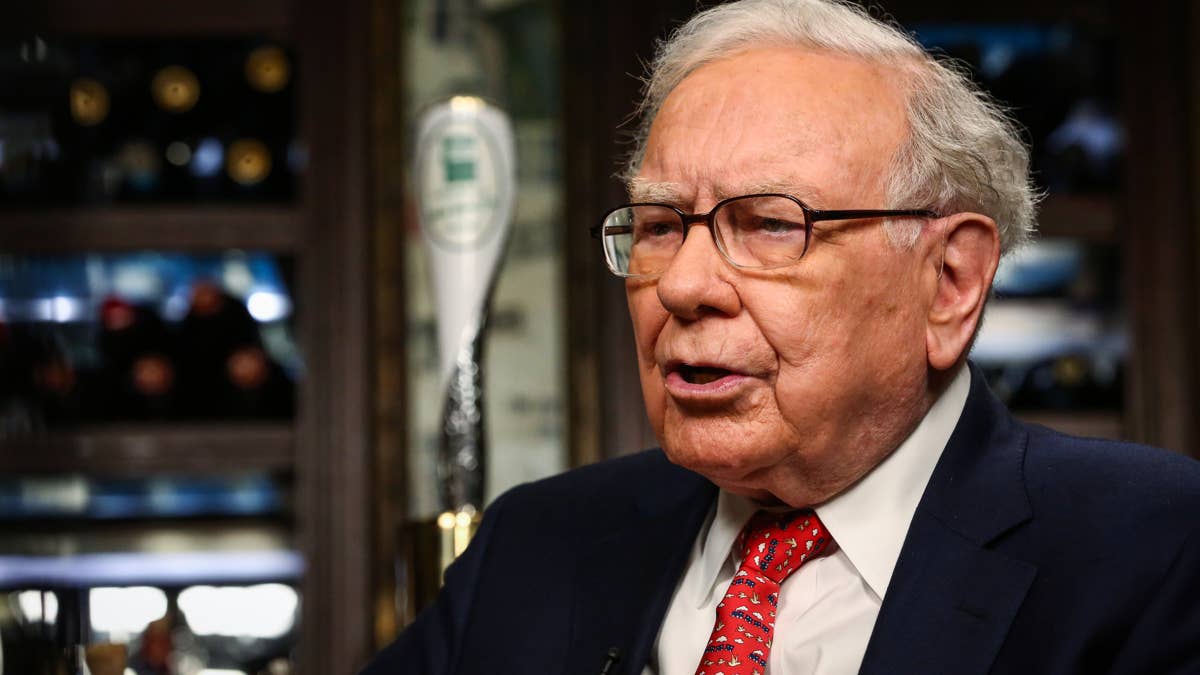
Image via TheStreet
Buffett on Energy Prices: The Bill Always Shows Up—Usually When You’re Not Ready
The Berkshire annual meeting was supposed to be the handoff moment—Greg Abel in the chair, the next chapter underway. But Warren Buffett, even in transition mode, stays locked on the stuff that hits households and businesses in the ribs: energy prices. TheStreet frames it as a message for all Americans, and it’s the kind of message that doesn’t trend because it’s too practical.
Energy isn’t just a line item at the pump. It’s embedded in freight, food, manufacturing, travel, and basically every service that keeps the economy moving. When prices rise or volatility spikes, it functions like a quiet tax—especially on middle-income families and small operators who can’t hedge or pass through costs cleanly.
Buffett’s long view tends to land in the same place: plan for higher costs than you’d like, avoid assuming “normal” is guaranteed, and build resilience. In portfolio terms, that means understanding your exposure—directly through energy holdings, and indirectly through everything that depends on cheap, stable fuel.
🥃 Cole's Take: The takeaway isn’t “panic about gas”—it’s “stop budgeting like stability is your birthright.” Build slack into your household and business plans, because energy shocks don’t ask permission. On the investing side, I still like owning real assets and quality operators that can defend margins when inputs jump.
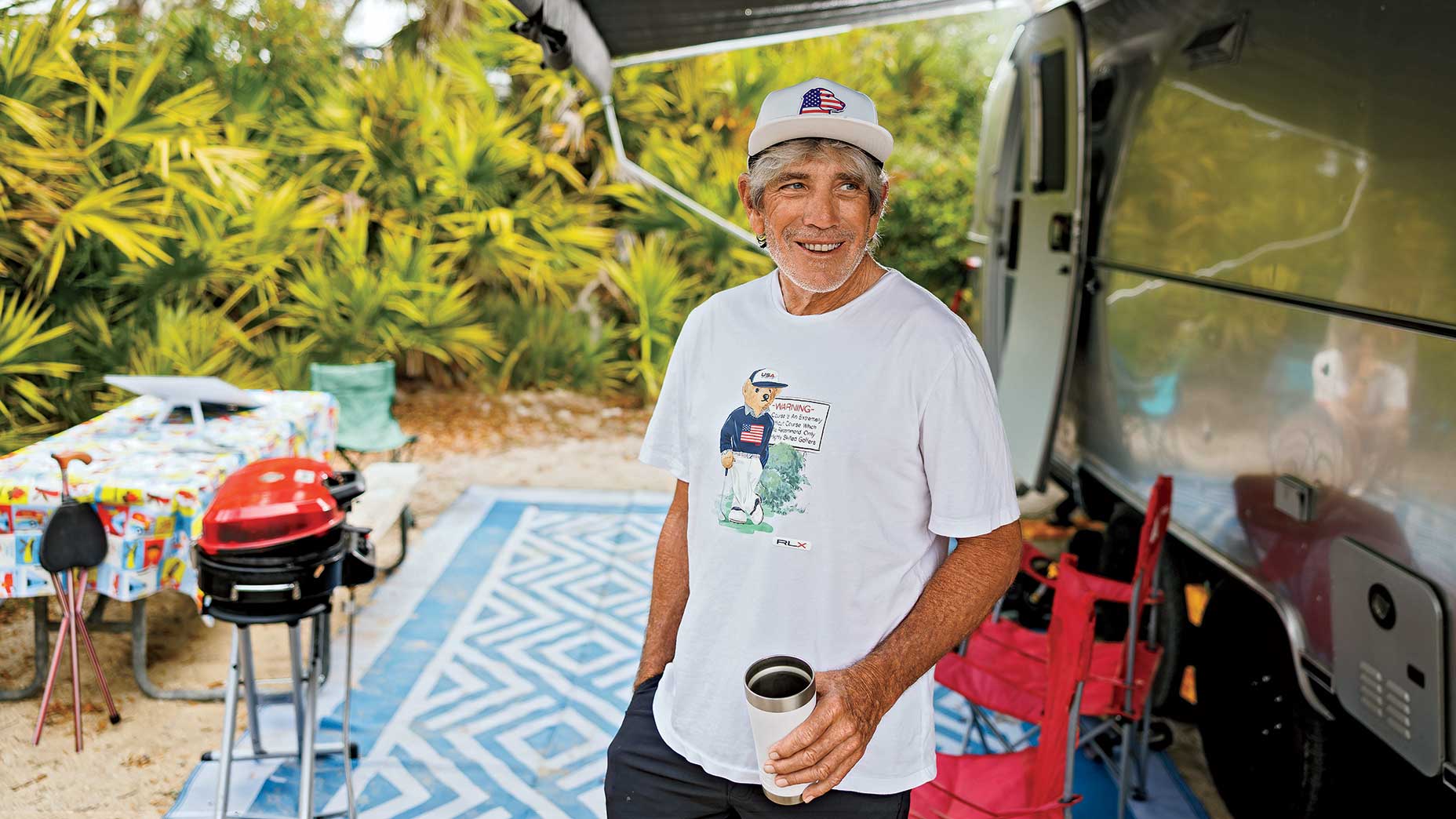
Image via GOLF.com
Golf’s Best Edge Isn’t Always a TrackMan: Meet the RV Coach Who Gets It Done
Golf loves polish—country club perfection, academy studios, and swing theories delivered like TED Talks. Then you’ve got Adam Schriber: surfer vibe, RV lifestyle, and a résumé that includes coaching a U.S. Open champion (J.J. Spaun) and plenty of other serious players. Golf.com paints him as “wacky,” but the smarter read is: he’s uncommonly effective because he’s uncommonly human.
The story lands on the part most amateurs miss: great coaching isn’t about more data, it’s about better decisions under pressure. A coach who’s lived on the road and stayed close to players in the grind understands performance as a whole system—sleep, confidence, course management, and what happens when your swing thought shows up on the 71st hole.
There’s also a business lesson here: differentiation wins. In a crowded marketplace of instructors who all promise the same “neutral path,” personality plus results is an unfair advantage. Schriber’s brand is authenticity, and in golf—as in investing—authenticity backed by competence compounds.
🥃 Cole's Take: I’ll take the coach who can simplify over the coach who can impress. Most golfers don’t need more complexity; they need a repeatable miss and a plan when nerves hit. Same rule in markets: fewer moves, better timing, and stop trying to look smart.
📎 GOLF.com

Image via Robb Report
CEO Brain Reboots: The New Luxury Retreat Is Cognitive, Not Cosmetic
Luxury wellness has moved past green juice and deep-tissue massages into something more targeted: “cognitive fitness” retreats designed to rewire focus, stress response, and decision quality. Robb Report describes an ultra-private world where executives go to reset the operating system—sleep protocols, neuro-assessments, guided training, and performance routines that look more like an athlete’s program than a spa menu.
It tracks with what I’ve seen in finance for decades: the highest earners are rarely short on information—they’re short on clean mental bandwidth. When you’re carrying real responsibility, your worst enemy isn’t ignorance, it’s fatigue dressed up as confidence. These programs are selling what boardrooms quietly crave: sharper attention, better emotional regulation, and fewer unforced errors.
The risk, of course, is turning “wellness” into another status hobby. If the retreat ends and you go right back to late-night emails, airport dinners, and five hours of sleep, you didn’t buy transformation—you bought a nice story.
🥃 Cole's Take: I’m pro-investing in your brain, but I’m anti-theater. If you’re going to spend serious money, demand measurable outputs: sleep metrics, baseline testing, and a plan you’ll actually follow at home. The best “retreat” is the one that makes your normal week less destructive.
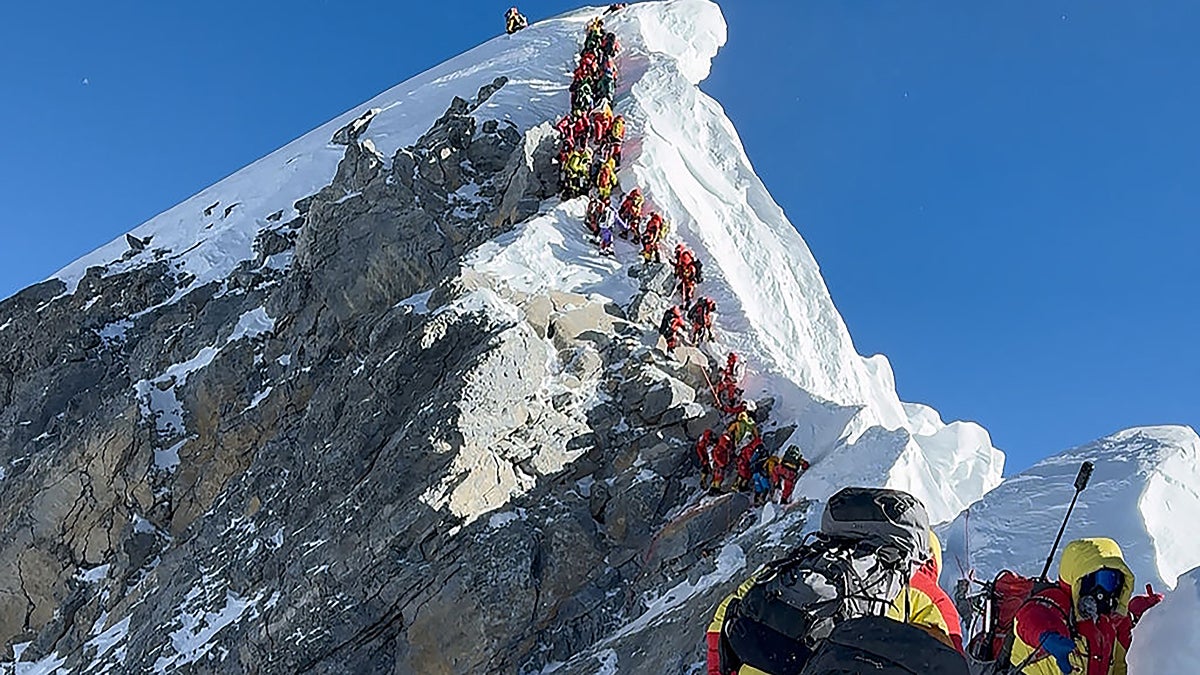
Image via Outside
Everest’s Real Workforce: What a Sherpa Carries While the Rest of Us Chase the Photo
Outside profiles Chhebe Bhote, a climbing Sherpa who logged an almost unfathomable workload on Everest this season: 35,000 vertical feet and at least 400 pounds carried up and down the mountain. It’s a reminder that modern summit culture is built on an invisible labor engine—people who do the hardest, riskiest work so clients can have a shot at a once-in-a-lifetime goal.
The gear list and daily reality aren’t romantic. It’s logistics, exposure, repetition, and controlled suffering—moving loads through lethal terrain, over and over, because the mountain doesn’t care how inspired you feel. The piece forces you to confront the truth behind the “I climbed Everest” brag: a lot of the real climbing is done by someone else, long before you clip in.
There’s respect in acknowledging that. Not guilt—respect. If we’re going to make extreme travel a luxury product, we should be honest about who pays the real price and what “support” actually means in human terms.
🥃 Cole's Take: Everest has become a status symbol, but this story brings it back to dignity and labor. If you’re paying for a guided summit, make sure your ethics are as strong as your ambition—fair pay, real safety standards, and operators who treat Sherpa teams as partners, not pack animals. The mountain is hard; the humanity should be the easy part.
📎 Outside
Cole Hargrove The Balanced Brief — Live Well. Invest Smart. No Apologies. Outside Nashville | If your portfolio’s been choppy, take a walk, tighten your watchlist, and don’t confuse motion with progress.
— Cole Hargrove