One CEO just put $19 million of his own money into his company's stock — on the open market, reported to the SEC, fully verifiable. He's not alone. While most investors watched headlines, a handful of CEOs were quietly making seven-figure bets on their own companies. We dug through SEC Form 4 filings and verified the largest CEO stock purchases of 2026 — real names, real dollar amounts, real dates, every one linked to the actual filing so you can check it yourself.
The free report includes six confirmed purchases, the CEO who bought his own stock five separate times this year, and the small-cap insider buying aggressively while his stock was getting crushed. No rumors. No vague teasers. Just the paper trail insiders are legally required to leave behind — and what it could mean for your next trade.
Get the Free Report Now →Clicking the link above subscribes you to future messages from Equiscreen, LLC and provides instant access to two additional bonus subscriptions from our marketing partners. Unsubscribe anytime. View Privacy Policy.

Live Well. Invest Smart. No Apologies.
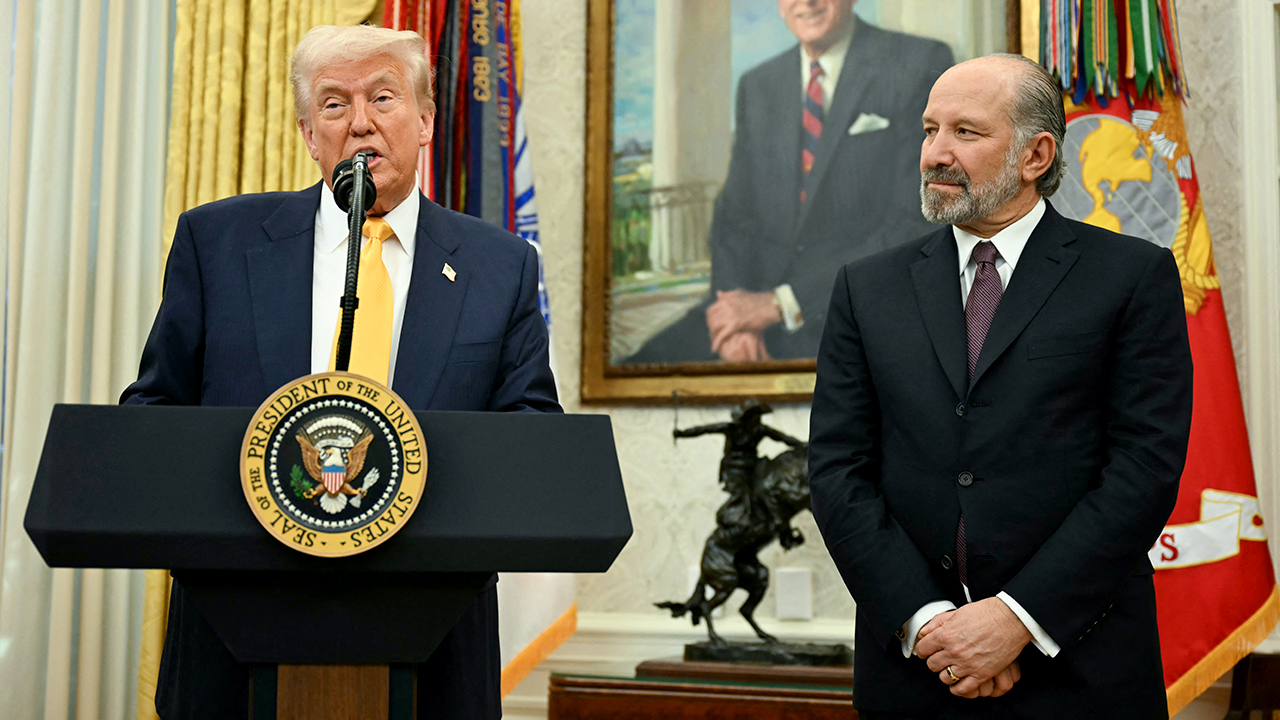
Image via Fox Business
Commerce Wants a Piece of the Cap Table—Federal Funding With Equity Strings Attached
The Department of Commerce is reportedly moving to require equity stakes from seven tech companies as a condition for accessing millions in federal funding tied to technology development. That’s not a grant with guardrails—it's a quasi-venture deal where the taxpayer becomes a shareholder, and the government starts behaving like a strategic investor.
This kind of structure changes behavior. It adds cap table complexity, invites future political pressure around hiring, pricing, and “national interest” priorities, and it can complicate later fundraising or IPO plans when new investors start asking who really has influence. If you’ve ever watched a boardroom go quiet when a non-economic stakeholder shows up, you know why founders and CFOs hate surprises like this.
What matters for markets isn’t just the dollars—it’s precedent. Once equity-for-funding becomes normalized, it spreads from chips to AI infrastructure to energy tech, and suddenly every company weighing federal money has to price in governance friction.
🥃 Cole's Take: If Commerce wants upside for taxpayers, fine—do it transparently and consistently, not as a one-off toll booth that hits whoever’s next in line. But if you’re an investor, treat “federal funding” headlines like you’d treat a convertible note with weird covenants: it can help liquidity today and still haunt the exit tomorrow. I’d rather own the suppliers and the picks-and-shovels than the company negotiating its cap table with Washington.

Image via MarketWatch
Volatility Is Back, and That’s When Real Valuations Start Showing Up
MarketWatch flags an RBC view that fresh volatility around Federal Reserve transitions can open a valuation opportunity in U.S. stocks. Translation: when policy leadership shifts—or even when the market believes the reaction function is shifting—multiples get repriced in a hurry, and the tape starts punishing anything that looks crowded.
This is the part of the cycle where “great story” stops working and cash flow starts mattering again. You’ll see it in the way high-duration growth trades swing on a single line in a Fed presser, while boring businesses with pricing power quietly hold up. Volatility isn’t just fear—it’s the market admitting it doesn’t know the right discount rate.
The opportunity isn’t buying everything that’s down. It’s buying the names where fundamentals are steady, balance sheets are clean, and the market temporarily can’t decide what they’re worth.
🥃 Cole's Take: I don’t chase volatility—I use it to upgrade the portfolio. When the market gets jumpy, I build positions in quality businesses I’d be happy to own through the next two Thanksgiving dinners, not the next two trading sessions. Keep dry powder, scale in, and remember: the best buys rarely feel comfortable when you click the button.
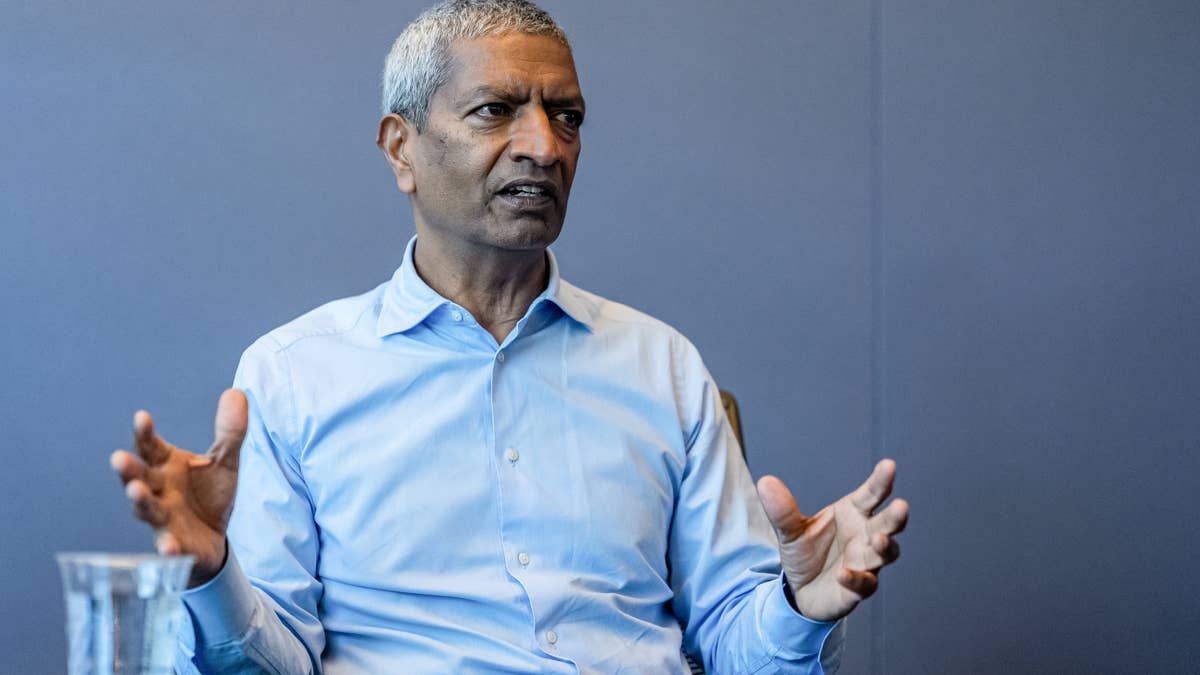
Image via TheStreet
Bloom Energy: An Oracle Delay Isn’t the Same as a Demand Problem
Morgan Stanley says Bloom can withstand a delay tied to Oracle’s Project Jupiter, pointing to Bloom’s raised forecast and an expanding backlog as the real story. For a company like Bloom, project timing matters, but the larger question is whether the pipeline is deep enough to absorb scheduling hiccups without turning the whole narrative into a confidence crisis.
This is classic infrastructure-adjacent investing: deployments slip, procurement gets re-sequenced, and headlines overreact. The better signal is backlog quality—who’s ordering, what the contract terms look like, and whether the customer base is broad enough that one whale doesn’t dictate the quarterly mood.
In a market that’s increasingly allergic to “someday” revenue, a raised forecast alongside a wider backlog is about as good as you can ask for when a big customer pushes a milestone.
🥃 Cole's Take: If Bloom is truly shifting from story stock to execution stock, delays become speed bumps, not cliff edges. I’d still treat it as a position you size like an energy-tech name, not a utility—because sentiment can swing fast. But backlog and guidance strength are the two levers that tell me the business has traction beyond a single marquee project.

Image via Car and Driver
Shelby’s Two-Door F-150 Super Snake Sport: 810 Horsepower and Zero Apologies
Shelby American is bringing back a two-door F-150 Super Snake Sport, a lowered street truck that’s reportedly good for up to 810 horsepower. It’s an old-school formula—big power, short cab, attitude—packaged for a market that’s been drowning in four-door everything.
This isn’t just a truck story; it’s a consumer confidence story. When specialty builders can sell high-margin, high-horsepower toys, it tells you there’s still a healthy segment of buyers with discretionary cash and a taste for visceral experiences—something you can’t replicate with a subscription or a software update.
It also underscores where the auto world is right now: EV growth continues, but the emotion premium is still being monetized by companies willing to build loud, irrational fun. And irrational fun has always been a surprisingly reliable economic indicator for the top slice of earners.
🥃 Cole's Take: I wouldn’t call this practical, and that’s the point. The market for “because I can” is alive, and brands that sell emotion with real craftsmanship tend to hold pricing power longer than analysts expect. If you’ve earned your toys, buy what makes you grin—but don’t finance your midlife crisis at 9% interest.

Image via GOLF.com
Rickie Fowler and the Rocket Classic: When a Tournament Disappears, a City Loses More Than a Trophy
Rickie Fowler opened with a 63 at Detroit Golf Club while also lamenting the Rocket Classic’s demise, calling it a bummer. Pros don’t usually spend much time mourning schedule changes in public—so when they do, it’s worth listening.
A tournament leaving isn’t just fewer birdies on Sunday. It’s sponsor dollars, volunteer ecosystems, hospitality revenue, and a week where a city gets to feel like the center of the golf world. Players notice when an event is run well, when the fans show up, and when the week has a pulse.
For golf’s business side, this is another reminder that the calendar is ruthless. Events survive when they have sponsor stability, local buy-in, and a reason to exist beyond “we need another stop here.”
🥃 Cole's Take: I’m with Rickie: losing a solid event is a gut punch, especially for markets that don’t get a dozen big-league weeks a year. The PGA Tour can’t treat mid-tier stops like disposable inventory—those are the connective tissue for fans and sponsors. If you care about the long-term health of pro golf, you fight to keep the well-run community events alive, not just the glamour ones.
📎 GOLF.com

Image via Robb Report
A River Cruise Ship With Superyacht Ambitions—and a Business Model to Match
Robb Report spotlights Transcend Cruises’ upcoming 443-foot river cruise ship, Connect, positioned as “verging on superyacht status.” River cruising used to mean cozy and conventional; this new wave is aiming for private-yacht sensibilities with the convenience of a curated itinerary.
The timing makes sense. Affluent travelers have been re-allocating from stuff to experiences for years, and the premium end of travel keeps proving surprisingly resilient. When people have money and limited time, they pay for frictionless luxury: better cabins, better food, better shore experiences, and fewer crowds.
From an investment lens, it’s another example of “premiumization” holding up even when the middle market gets squeezed. The winners in travel are the operators who can deliver a genuinely differentiated product, not just a higher price tag.
🥃 Cole's Take: If you’ve got the means, river cruising like this is the cheat code for seeing Europe without the baggage carousel misery. But I’d approach it the same way I approach any luxury trend: pay for what’s truly scarce—space, privacy, service—not for marketing adjectives. The brands that understand that distinction will be the ones still charging a premium five years from now.
That’s the brief. Protect the downside, buy quality when the market gets jumpy, and save your indulgences for the things that actually make life bigger—time outside, good friends, and a glass of something honest at the end of the day. — Cole Hargrove, The Balanced Brief
— Cole Hargrove