Sponsored By:
America's national debt has blown past $40 trillion — and we're adding another trillion every five months. Interest payments alone now top $1 trillion a year, meaning borrowed money is paying interest on borrowed money. Economists call this a debt death spiral, and your retirement savings could be caught in the middle.
A new free report reveals the three ways governments escape a debt spiral, how purchasing power quietly erodes, and exactly how to move a portion of your savings into a financial safe haven before it's too late. No cost. No obligation. Delivered to your inbox in minutes.
Get the Free Debt Death Spiral ReportThis is an advertisement from American Alternative Assets. If you no longer wish to receive these promotions, unsubscribe here. American Alternative Assets | 21700 W Oxnard St, Suite 850, Woodland Hills, CA 91367.

Live Well. Invest Smart. No Apologies.

Image via Fox Business
October jobs print lands with a thud for the recession crowd
The U.S. added 165,000 jobs in October, a clean beat versus expectations and a reminder that the labor market is still absorbing higher rates better than most talking heads want to admit. In a year where sentiment has been jumpy and headlines have been loud, this is the kind of number that keeps the economic base case from rolling over.
What matters now is the texture underneath the topline: whether job gains are broad-based or concentrated, whether hours worked are stable, and whether wage growth is cooling without collapsing. Markets can handle “slower,” but they don’t like “sudden,” and a steady jobs engine reduces the odds of a policy panic in either direction.
For portfolios, a resilient labor market tends to support earnings and keep credit stress contained, but it can also keep inflation sticky enough to prevent easy-rate-cut fantasies. Translation: keep your quality bias, don’t chase junk, and don’t assume the Fed is about to hand out free money like it’s 2020.
🥃 Cole's Take: This is the kind of report that punishes extreme positioning. If you’re all-in on a hard landing, you’re fighting the tape; if you’re all-in on a new boom, you’re ignoring the cost of capital. I’d rather own durable businesses with pricing power and keep some dry powder than bet my lifestyle on a single macro narrative.
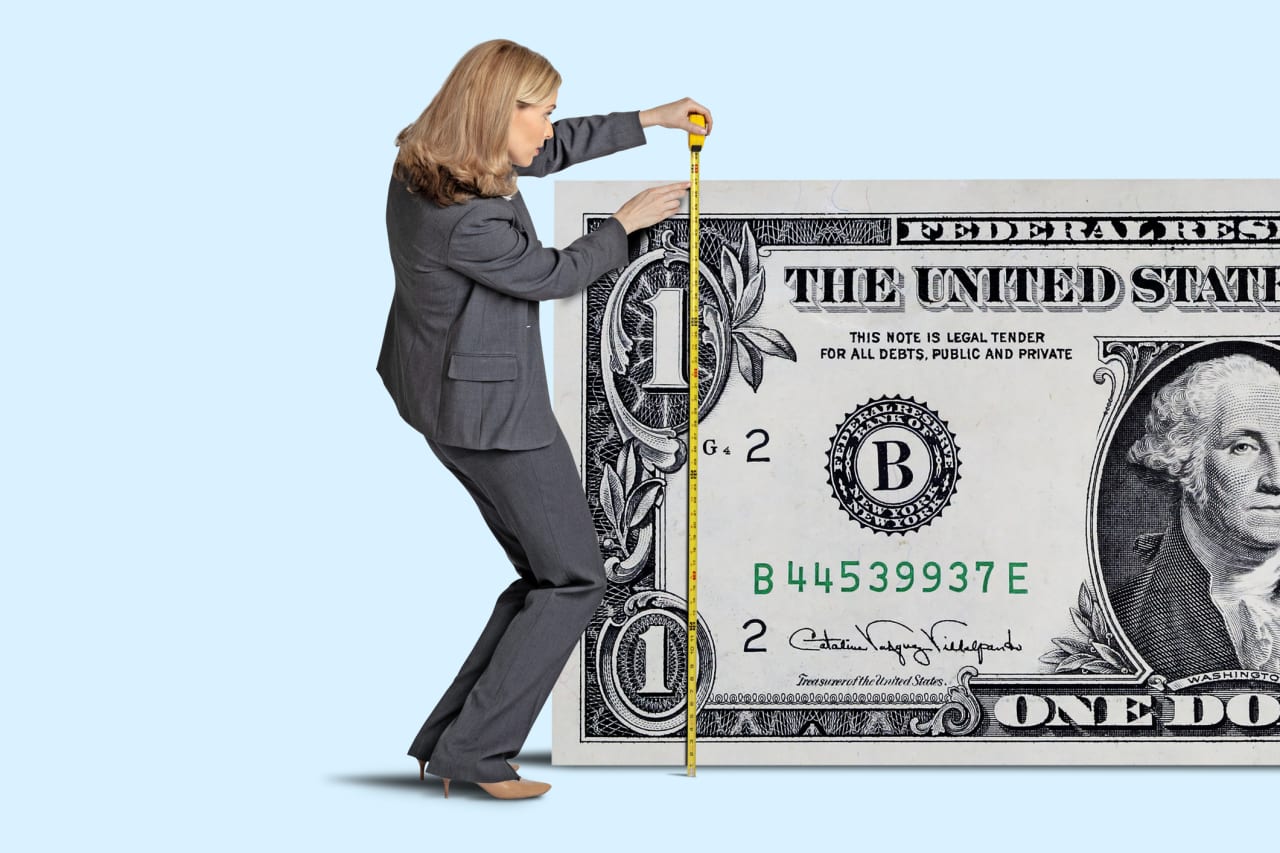
Image via MarketWatch
Roth conversions in 2027: the question isn’t “how much,” it’s “should you”
With updated 2027 brackets coming into view, Roth conversion planning is back on the menu for anyone with meaningful pre-tax balances. The math is tempting: move money from traditional accounts into Roth, pay tax now, and buy yourself tax-free growth and cleaner required distribution dynamics later.
But the real starting point is the “if.” Your current marginal rate versus your likely future rate, the size and timing of Social Security, pensions, and RMDs, and even Medicare IRMAA thresholds can flip the answer. Add in the reality that tax law changes on political calendars, not on your retirement timeline, and the neat spreadsheet solution can turn into an expensive mistake.
Done right, conversions are less about hero swings and more about bracket management over multiple years. Think in terms of filling a bracket you’re comfortable with, coordinating with charitable giving, and avoiding stealth taxes that don’t show up as “tax brackets” but hit just as hard.
🥃 Cole's Take: I treat Roth conversions like trimming a hedge, not chopping down a tree. Fill the bracket you can live with, run the IRMAA and state-tax angles, and don’t let the fear of future tax hikes push you into overpaying today. If you’re within five years of retirement, this is worth modeling with real numbers, not vibes.
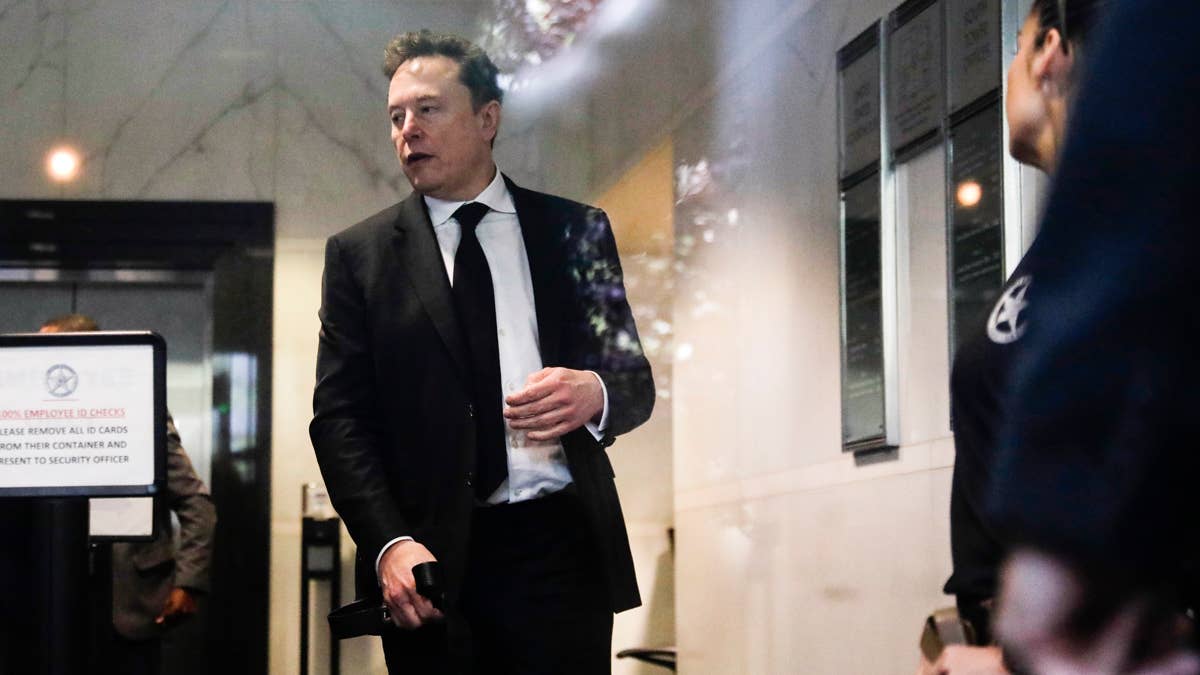
Image via TheStreet
Musk’s Tesla stake: why the exact number matters less than the leverage around it
Elon Musk’s wealth story is inseparable from Tesla, and his ownership stake remains one of the most closely watched positions in modern markets. Investors obsess over share counts because they signal alignment, influence, and the potential for selling pressure when capital needs pop up elsewhere.
The bigger issue for shareholders is not just what he owns, but what’s been pledged, what’s been optioned, and what future liquidity events might look like. When a founder-CEO has multiple moonshots running at once, capital allocation isn’t a theoretical exercise; it shows up as real-world transactions and occasional market whiplash.
For Tesla itself, concentrated insider ownership can be stabilizing in calm seas and destabilizing in rough ones, depending on how financing and collateral are handled. If you own TSLA, you’re not just underwriting vehicle margins and software dreams; you’re underwriting a very particular governance and liquidity ecosystem.
🥃 Cole's Take: Founders with big stakes are usually a feature, not a bug, but you’ve got to respect the collateral chain. I don’t lose sleep over a CEO owning a lot; I lose sleep when the market has to guess how that ownership might be monetized. If TSLA is a core position for you, monitor insider moves like you monitor earnings.

Image via Robb Report
A $6M SLR: the trophy market is alive, and it’s playing by different rules
One of the final Mercedes-Benz SLR McLaren Stirling Moss examples is headed to market, and it could bring north of $6 million. Only 75 were made, and this one reads like a time capsule: essentially delivery miles, commissioned by royalty, and preserved the way collectors dream about but rarely execute.
This is the top shelf of the car world, where scarcity is real, provenance is currency, and condition can matter more than brand. It’s also a market that doesn’t move in lockstep with the S&P on any given week. When financial assets feel crowded or politically noisy, capital that already “won the game” often parks in objects that are globally recognized and painfully finite.
But make no mistake: this isn’t a simple inflation hedge. Storage, insurance, liquidity, and taste risk are all part of the deal. You’re buying a story, a spec sheet, and an audience that’s willing to care.
🥃 Cole's Take: At this level, you’re not buying transportation; you’re buying a blue-chip artifact. If you’ve got eight-figure net worth and genuine passion, a trophy car can be a legitimate part of a diversified “fun bucket.” If you’re stretching or treating it like a quick flip, the market has a way of humbling people who confuse rarity with liquidity.

Image via GOLF.com
LIV Golf’s real mistake: it tried to turn a cathedral into a casino floor
The critique landing on LIV Golf is simple and brutal: it misunderstood why fans are drawn to elite golf in the first place. The argument isn’t that money doesn’t matter or that disruption is inherently bad; it’s that the product became more ordinary, less special, and more interchangeable with every other sports entertainment offering.
Golf at its best is tension, tradition, and consequence. Fans tune in for the squeeze on Sunday, the myth-making, and the feeling that winning actually costs something. When you remove too much of that and replace it with a format that feels pre-packaged, you risk stripping out the very scarcity that makes golf different.
There’s also a business lesson here beyond the ropes: you can buy talent, you can buy production, you can buy distribution. What you can’t easily buy is cultural meaning built over decades. That part has to be earned, and it can be lost faster than people think.
🥃 Cole's Take: You can’t spreadsheet “prestige” and expect it to survive the conversion. Golf is an experience economy: history, stakes, and moments that feel hard-won are the whole point. If a league makes excellence feel casual, fans treat it like background noise, and background noise doesn’t hold sponsorship pricing for long.
📎 GOLF.com

Image via Surfer
Florida yanked 36,187 lionfish from the water, and it still may not be enough
Florida’s lionfish problem isn’t a headline; it’s an ongoing ecological knife fight. Last summer, 36,187 lionfish were removed, and the top competitor in the state challenge speared 1,541 himself. Impressive, yes, but the uncomfortable question remains: how many are still out there breeding, eating native species, and reshaping reefs.
Lionfish are invasive, resilient, and perfectly built to do damage in places they don’t belong. Removal efforts help, but the scale of the ocean makes “winning” hard, and success often looks like sustained pressure rather than a clean victory. It’s a reminder that nature doesn’t care about our timelines or our budgets.
There’s a broader personal-finance parallel I think about every time I read these numbers: small problems that compound will eventually demand expensive solutions. The earlier you act, the cheaper and more effective the fix tends to be.
🥃 Cole's Take: I love a good competition, but this is a maintenance war, not a one-off event. Support the programs, eat lionfish when you see it on a menu, and keep funding the unglamorous work that protects coastlines people build their lives around. In markets and in ecosystems, prevention beats cleanup almost every time.
📎 Surfer
Cole Hargrove Editor, The Balanced Brief Live Well. Invest Smart. No Apologies.
— Cole Hargrove