In 1971, Nixon ended the gold standard in a single 15-minute broadcast — no warning, no debate. Gold tripled in 3 years and rose 20x over the next decade. The people who saw it coming protected their wealth. Everyone else watched their savings quietly erode. History may be about to repeat itself. Trump holds the same executive authority Nixon used — and his own advisors are now openly saying a reversal is on the table.
Reagan Gold Group has put together a free briefing covering exactly what Nixon did, why Trump is the first president positioned to undo it, and the one move you can make right now to be on the right side of what comes next. Free. 30 seconds to request. Don't wait for the Sunday night broadcast.
Get the Free Briefing NowReagan Gold Group does not provide financial, legal, or tax advice. This information is for educational purposes only and should not be considered investment advice. All investments carry risk, including loss of principal. Past performance is not indicative of future results. Consult your licensed financial advisor before making investment decisions. This is an advertisement. If you do not wish to receive messags from this partner, please Unsubscribe. Or write to: 2029 Century Park E Suite 400, Los Angeles, CA 90067.

Live Well. Invest Smart. No Apologies.
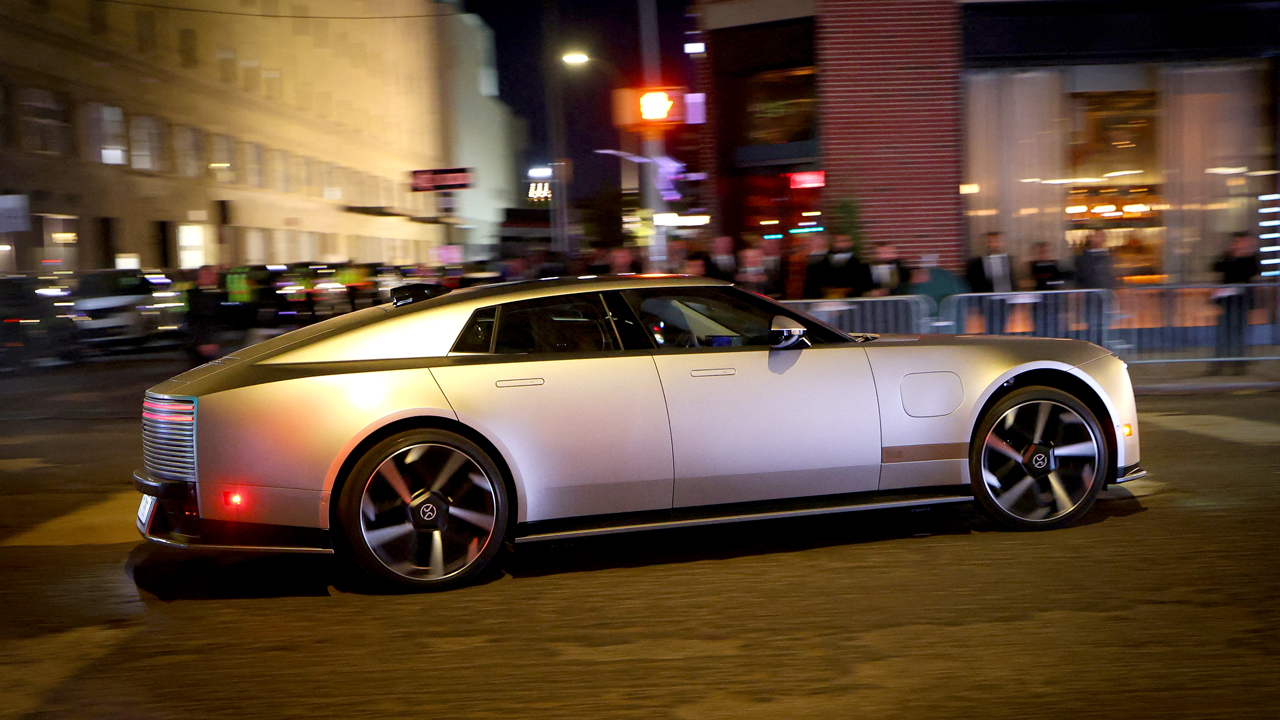
Image via Fox Business
Jaguar’s $130K EV: Ignore the Noise, Follow the Buyer
Jaguar is rolling out the Type 01, an electric grand tourer that starts at $130,500 and targets the moneyed end of the market with an estimated 400-mile range. That pricing is a statement: this isn’t an entry-level EV meant to chase volume, it’s a margin play aimed at buyers who want rarity, design, and a badge that still carries dinner-party gravity.
The backdrop is messy. Jaguar’s recent branding choices drew a political backlash, and the internet did what it always does: turned a product cycle into a culture war. But the real question isn’t whether a rebrand made people mad online. It’s whether Jaguar can make a car that looks special, drives like a proper GT, and delivers the ownership experience that wealthy buyers demand when they’re already spoiled by Porsche, Mercedes, and the best of what EVs can offer.
Pricing north of $130K also quietly admits something the mass-market EV crowd has learned the hard way: the middle is a knife fight, and the customer is price sensitive. The top end gives you more room to breathe, more room to differentiate, and more room to survive while you rebuild your product identity.
🥃 Cole's Take: If Jaguar can deliver range, performance, and true luxury fit-and-finish, the backlash will fade the second keys hit hands. Affluent buyers don’t purchase ideologies, they purchase confidence and convenience. The risk is execution: at $130K, there’s no forgiveness for software glitches, dealer nonsense, or cheap interior shortcuts.
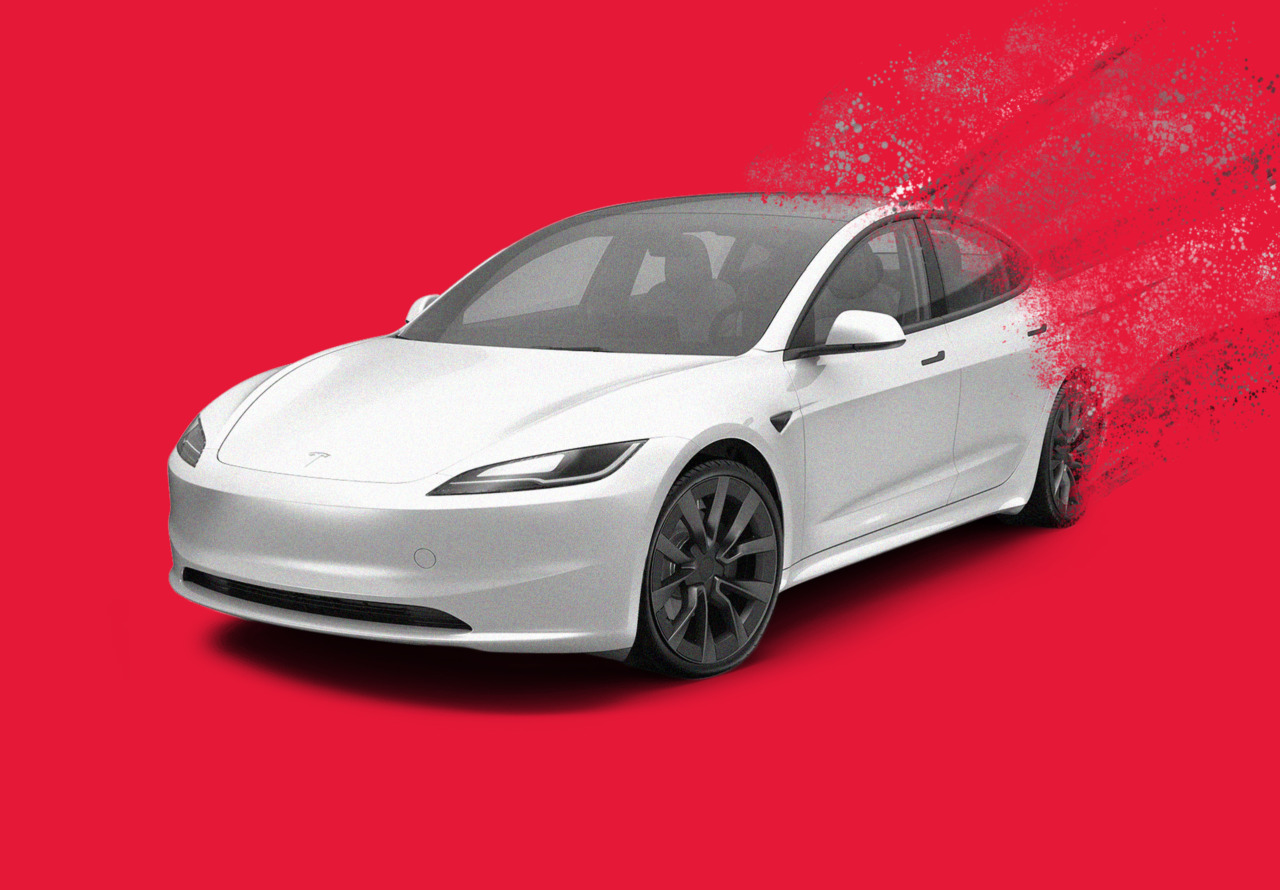
Image via MarketWatch
Tesla’s AI Spending: The EV Cash Machine Is Back on the Hook
Tesla’s pushing harder into AI, and investors are right to ask the uncomfortable question: who’s paying for it? The company’s AI ambitions are expensive, long-dated, and uncertain in payoff timing, while the EV business is being asked to keep the lights on and fund the moonshots.
That puts Tesla’s core operation under a microscope. When margins compress, price cuts bite, and competition keeps improving, the market stops granting unlimited benefit of the doubt. It starts demanding clarity: what’s the capital plan, what are the return hurdles, and how do you avoid turning the car business into a perpetual ATM for projects that may or may not scale the way the story says they will?
None of this means Tesla can’t win. It means the company is shifting from a clean narrative to a blended one, and blended narratives get valued differently. In the old days, you could own Tesla as a pure EV growth leader. Now you’re also underwriting an AI lab with a very loud megaphone.
🥃 Cole's Take: I don’t mind bold R and D; I mind opaque tradeoffs. If Tesla needs EV buyers and EV margins to bankroll AI, then investors should demand tighter disclosure and more discipline, not bigger promises. Great companies can do two hard things at once, but Wall Street eventually charges interest on faith.
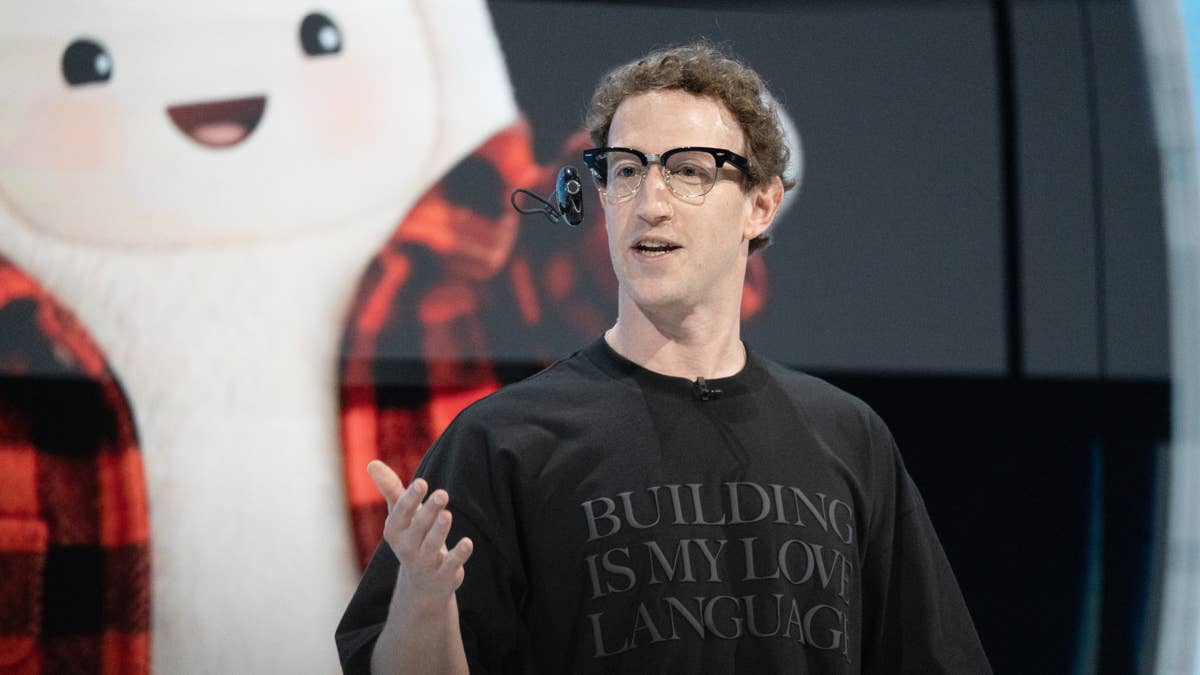
Image via TheStreet
Meta’s Muse Is a Quiet Win for AMD and Intel
Meta’s Muse work is being read as a signal that the AI trade is broadening beyond the usual GPU-centric obsession. If more AI workloads can be supported efficiently with a wider mix of compute, that’s constructive for the CPU ecosystem, and it helps explain why investors are taking a fresh look at AMD and Intel.
What’s changing is less about hype and more about architecture and economics. As AI moves from pure training to real-world deployment, companies care about cost per inference, power draw, supply reliability, and what they can optimize inside their own data centers. That’s where CPUs, and CPU-adjacent platforms, can regain strategic importance in the stack.
For AMD, the story is continued relevance across compute categories, plus execution credibility. For Intel, the story is tougher but potentially more levered: any real proof of demand and platform traction matters because the market has punished the name for years of missed steps. The key is whether this becomes sustained purchasing behavior, not a headline-driven trade.
🥃 Cole's Take: The easiest money in AI was the first wave; the smarter money looks for where budgets migrate next. If inference and deployment keep growing, don’t be surprised when CPUs and hybrid solutions get a bigger seat at the table. I’d rather own the suppliers with real roadmap execution than chase whatever ticker is trending this week.

Image via Robb Report
A Superyacht Concept That Understands Restraint
Studio Segno’s 154-foot superyacht concept, Maai, is a design study that blends Italian and Japanese influences, with the name referencing the space between cultures as a way of living at sea. The premise isn’t maximalism for Instagram. It’s proportion, flow, and the kind of calm that makes a boat feel like a sanctuary instead of a floating nightclub.
Concepts are easy to love because they don’t have delivery dates, cost overruns, or sea trials. But they’re still useful as a read on where ultra-luxury taste is moving: less flash, more craftsmanship, and a quiet confidence that signals wealth without shouting it. Think: the difference between a neon sign and a well-cut jacket.
This also fits a broader luxury trend: buyers with serious money want objects that feel personal and considered, not just expensive. The best designers in any category are building for that buyer now, the one who has already owned the loud version and is bored by it.
🥃 Cole's Take: If you’ve earned the good life, you start paying for serenity more than spectacle. Maai looks like it’s aimed at the guy who’d rather sip a good whisky in silence than host a DJ set at anchor. In markets, the parallel is the same: the longer you play, the more you value durability over drama.
Vermont Is Building a 485-Mile MTB Playground, and It Sounds Like a Classic
Vermont is getting a 485-mile mountain biking trail that reads like a wish list: swimming holes, a yurt, and a forest hut along the way. The pitch is simple and smart: make the route not just a ride, but a full-on outdoor itinerary that can support long weekends, multi-day trips, and the kind of shoulder-season travel New England does better than almost anywhere.
Big trail projects do more than sell hotel nights. They create repeat visitors, anchor small-town economies, and build a brand that outlasts a single attraction. If it’s executed well, this becomes a reason to plan an annual fall trip the way people plan ski weeks or golf trips.
For anyone balancing work, fitness, and sanity, this is the kind of travel that actually restores you. Ride hard, jump in cold water, eat well, sleep deep, repeat. You don’t need a passport, and you don’t need a complicated story to justify it.
🥃 Cole's Take: Put this on your radar now, not when it’s overcrowded and overpriced. The best outdoor value is always early, before the brochures catch up. Also, experiences like this are a reminder: you can’t compound health later the way you can compound money now, so protect both.

Image via Outside
K2, Winter, and the Thin Line Between Bold and Reckless
A new film, K2 Winter: The Final First, revisits the 2021 disaster on K2 that left five climbers dead, and it doesn’t treat the event as an unavoidable act of nature. It reportedly lays out a harsher assessment of decisions, responsibility, and the culture around summit bids where ego, sponsorship pressure, and group dynamics can warp judgment.
K2 is not a motivational poster. It’s a lethal objective, and winter turns the difficulty into something closer to a different sport entirely. The film’s value isn’t just recounting tragedy; it’s forcing a real conversation about accountability in high-stakes environments where small mistakes become irreversible.
There’s also a broader point that applies beyond alpinism: high performers can confuse capability with invincibility. Whether it’s a mountain, a market, or a career, the penalties for ignoring risk don’t arrive immediately, which is exactly what makes the lesson so expensive when it finally shows up.
🥃 Cole's Take: I’ve seen enough risk dressed up as genius to know the difference is usually discipline. Mountains don’t negotiate, and neither do markets when leverage and pride get involved. Watch this with the same mindset you’d review a portfolio drawdown: not to gawk, but to learn where the decision chain broke.
📎 Outside
That’s the Brief. Keep your risk measured, your gear tested, and your cash ready for the opportunities that show up when everyone else is distracted. See you next issue. Cole Hargrove The Balanced Brief
— Cole Hargrove