Most people wait for headlines. By then, it's too late. Before a ticker heats up, there's a brief signal phase — a quiet shift that appears before the noise. No alerts. No buzz. Just an early tell for those who know where to look.
The FREE Market Signal Brief from the Daily Edge Report breaks down exactly how to spot these setups before they explode into the news cycle. Once the story hits — the early edge is already gone. Don't wait.
Download Your Free Signal Brief NowWe encourage readers to perform their own research and due diligence on any information we provide. By clicking the link above you will automatically be subscribed to the Daily Edge Report Newsletter. To view our privacy policy, visit lifewatermedia.com/privacy-policy.

Live Well. Invest Smart. No Apologies.
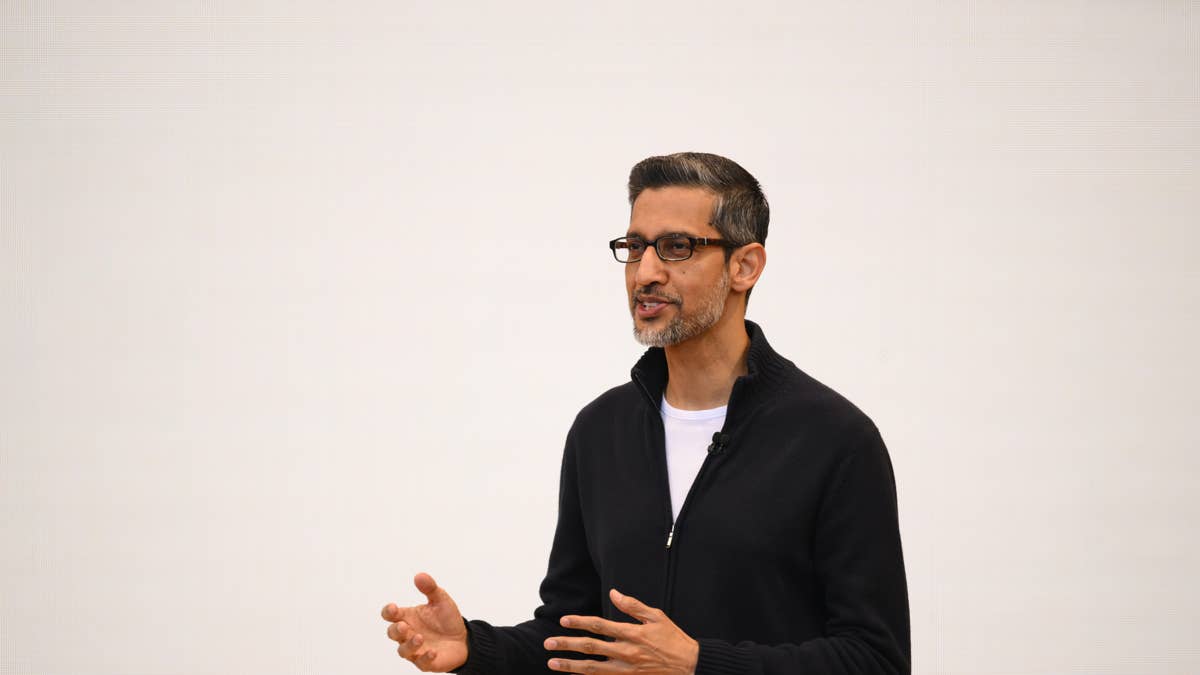
Image via TheStreet
Alphabet Takes a Hit Despite Strong Cloud Numbers — Street Overreacts Again
Alphabet reported earnings on July 22, and the stock promptly fell more than 7% in a single session. The fundamentals tell a different story. Cloud revenue grew 82% year over year, advertising held steady, and earnings per share beat expectations. This wasn't a miss. It was a sell-off driven by jittery traders looking for perfection in an imperfect macro environment.
Now a top analyst has revised the price target upward, citing exactly what should have been obvious on day one: Alphabet's AI infrastructure play is real, cloud growth is accelerating, and the advertising moat remains intact. The company is spending heavily on data centers and AI compute, which some investors read as margin compression. What they should be reading is positioning for the next decade.
The market punished Alphabet for doing exactly what it should be doing. Building. Meanwhile, firms that can see past the next quarter are upgrading and accumulating.
🥃 Cole's Take: This is why I don't trade on earnings day anymore. Alphabet is printing cash, growing cloud faster than anyone not named Microsoft, and trading at a discount because Wall Street wanted a different headline. If you've got patience and a five-year window, this dip was a gift.
Image via RealClearMarkets
Kevin Warsh Faces His First Big Test — And Hiking Rates Now Would Be a Mistake
Ken Fisher is sending a memo to new Federal Reserve Chairman Kevin Warsh, and it's worth listening to. The argument is simple: we're not in a post-pandemic recovery anymore, and hiking interest rates in this environment would choke off growth without solving the problems Warsh inherited. Inflation is cooling, employment is solid but not overheating, and the global picture is fragile.
Warsh took the job with a reputation as a hawk, someone who believes in preemptive tightening to avoid bubbles. But this isn't 2006. Corporate debt is manageable, consumer balance sheets are healthier than they were a decade ago, and the real risk isn't runaway inflation — it's stalling momentum in an economy that's finally found a rhythm after years of volatility.
Fisher's point is that Warsh needs to resist the urge to make a statement early. The Fed has credibility. It doesn't need to prove anything by slamming the brakes when the road ahead is already narrow.
🥃 Cole's Take: Warsh is smart, but new chairs often feel pressure to establish their brand. If he hikes in the next 90 days just to show he's serious, he'll regret it. The data doesn't support it, and the market will punish him for it.

Image via Forbes
BlackRock Takes 80% of Meta's El Paso AI Data Center — Follow the Infrastructure Money
Meta is building a massive AI data center in El Paso, and BlackRock is taking an 80% stake in the facility. This comes after Meta's stock plummeted nearly 10% earlier this year when the company announced it was hiking capital expenditure forecasts for AI infrastructure. Investors panicked. BlackRock saw an opportunity.
This is the new playbook for Big Tech: build the infrastructure, then sell or lease it to institutional investors who want exposure to AI without the operational risk. Meta gets the compute power it needs without bloating its balance sheet. BlackRock gets a long-term cash-flowing asset tied to one of the most important technology shifts of the decade. Everybody wins.
The broader story here is that AI isn't just a software play. It's a real estate and power play. Data centers are the new oil fields, and the firms that own the land, the power contracts, and the hardware are going to print money for the next twenty years.
🥃 Cole's Take: If you're trying to get AI exposure and you're tired of chasing Nvidia, start looking at infrastructure REITs and private equity firms with data center portfolios. BlackRock isn't doing this for fun — they see the cash flow, and it's massive.
📎 Forbes
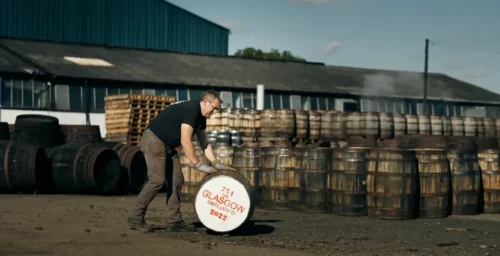
Image via The Whiskey Wash
Scotch Tariff Is Dead — But Don't Expect Your Bottle to Get Cheaper Anytime Soon
After 15 months and more than 20 million pounds a month in losses, the 10% US tariff on Scotch whisky is finally gone. The Scotch Whisky Association is celebrating, distillers are breathing easier, and consumers are wondering when they'll see the savings. The answer: don't hold your breath.
Retailers and distributors have already absorbed the tariff into their pricing models, and most of them aren't in a hurry to cut margins now that the cost pressure is gone. You might see a few dollars shaved off at Total Wine or your local shop, but the big brands will likely pocket the difference and call it a win. The real benefit will show up in 12 to 18 months when inventory cycles through and competition forces prices down.
For now, if you've got a relationship with a good shop or you're buying direct from distillers on trips to Scotland, you might see a break. Otherwise, this is a supply chain win that won't hit your wallet until next year.
🥃 Cole's Take: I've got three bottles of Lagavulin that I paid tariff prices for, and I'm not expecting a refund. But if you're in the market for a case, wait six months. The savings will come — just not on the timeline the industry is advertising.

Image via Car and Driver
Dodge Copperhead Drops in 2029 — A Halo Car That Might Actually Be Worth the Wait
Dodge just pulled the cover off the 2029 Copperhead, a hyper-muscle halo car that's supposed to rejuvenate the SRT performance division and give the brand something to hang its hat on in a world that's gone electric and boring. The styling is aggressive, the specs are still mostly under wraps, but the promise is there: dramatic design, serious power, and a return to the kind of vehicle that made Dodge relevant in the first place.
This isn't a mass-market play. It's a statement car, the kind that gets people into showrooms and reminds enthusiasts that Stellantis hasn't completely forgotten what made American muscle legendary. The 2029 timeline means this is still three years out, which in car years might as well be a decade. But if they execute, this could be the Viper successor we've been waiting for.
The risk is that by 2029, the regulatory environment and fuel costs make a car like this irrelevant. The opportunity is that it becomes a collector's item the day it rolls off the line.
🥃 Cole's Take: I'll believe it when I see it, but if Dodge actually builds this thing and doesn't water it down, it'll be one of the last great American muscle cars before everything goes hybrid or battery. That alone makes it interesting.
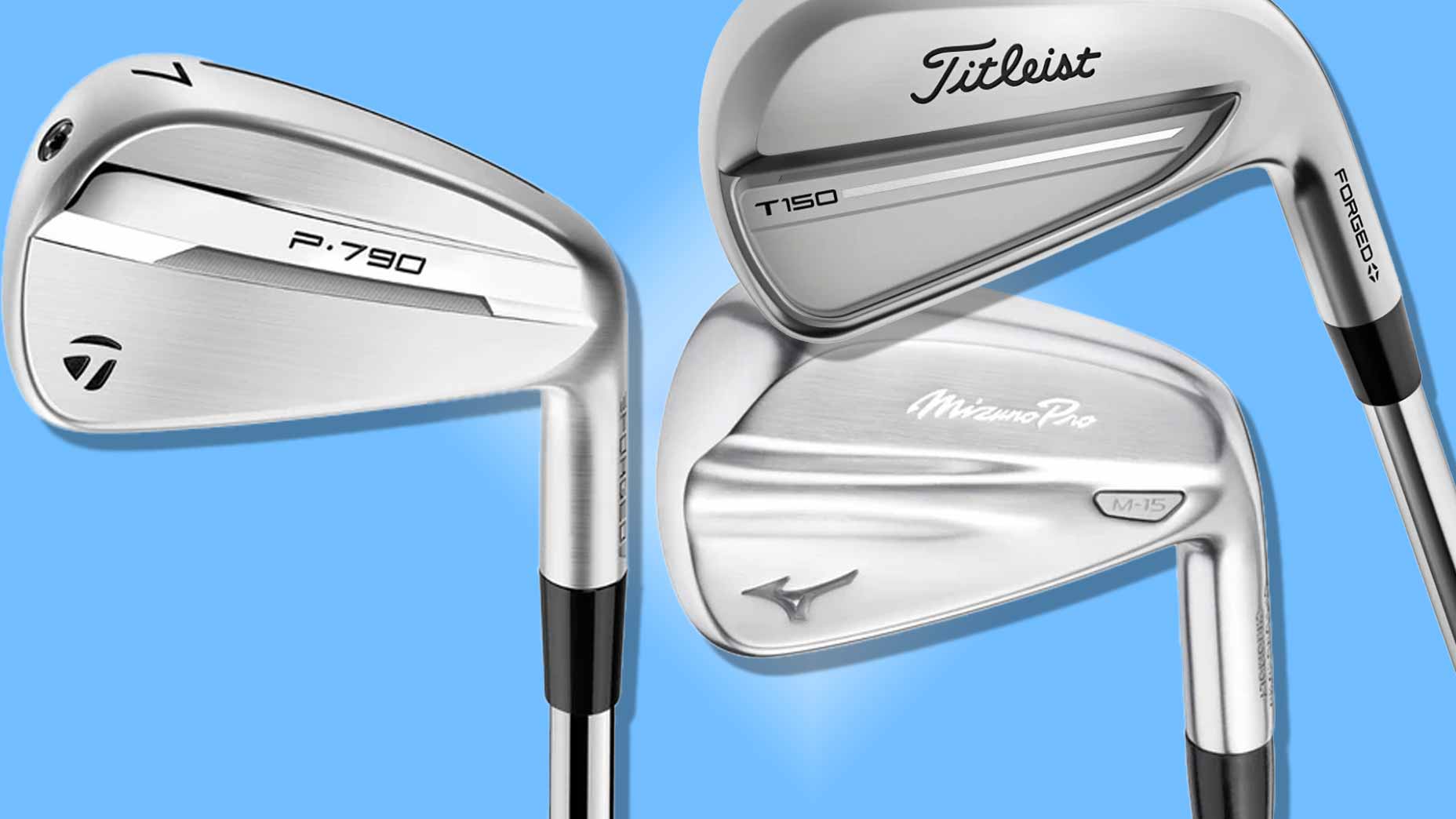
Image via Golf
Three Signs It's Time to Ditch Your Old Irons — And Stop Kidding Yourself About Sentimentality
Letting go of a set of irons you've played for years is tough. I get it. But sentimentality doesn't lower your handicap, and at some point you're just making the game harder than it needs to be. Golf Magazine breaks down three telltale signs that it's time for an upgrade: your distances are inconsistent, the grooves are visibly worn, and newer technology would actually help your game.
The first one is the easiest to ignore and the most important to pay attention to. If your 7-iron goes 160 one day and 150 the next with the same swing, that's not you — that's the club. Worn grooves mean less spin, less control, and more balls in the rough. And if you're playing irons from 2015 or earlier, the forgiveness and distance gains in modern designs are real, not marketing hype.
The hard truth is that most of us hold onto old irons because we remember the good shots, not the average ones. But if you're serious about improving, the upgrade pays for itself in strokes saved.
🥃 Cole's Take: I finally replaced my Titleist 710 APs last year after a decade of denial, and my ball-striking consistency jumped immediately. If you're on the fence, go get fit and hit five different models. You'll know in ten swings whether you've been lying to yourself.
📎 Golf
Stay sharp, stay liquid, and if you're still holding onto irons from the Obama administration, do yourself a favor. — Cole
— Cole Hargrove