Sponsored By:
🎃 The market has its own tricks — and October is full of them. Sudden momentum, unusual activity, and stocks making big moves before anyone else notices. Don't get caught off guard.
GuyStocks delivers real-time momentum alerts 🕷️, flags unusual stock activity 👻, and gives you clear, actionable insights ⚡🔎 — so you're ahead of the move, not chasing it. And it's 100% free to join 🆓.
Join GuyStocks Free TodayBy clicking the button above, you agree to receive emails from GuyStocks.com. You can opt out at any time. — Privacy Policy

Live Well. Invest Smart. No Apologies.
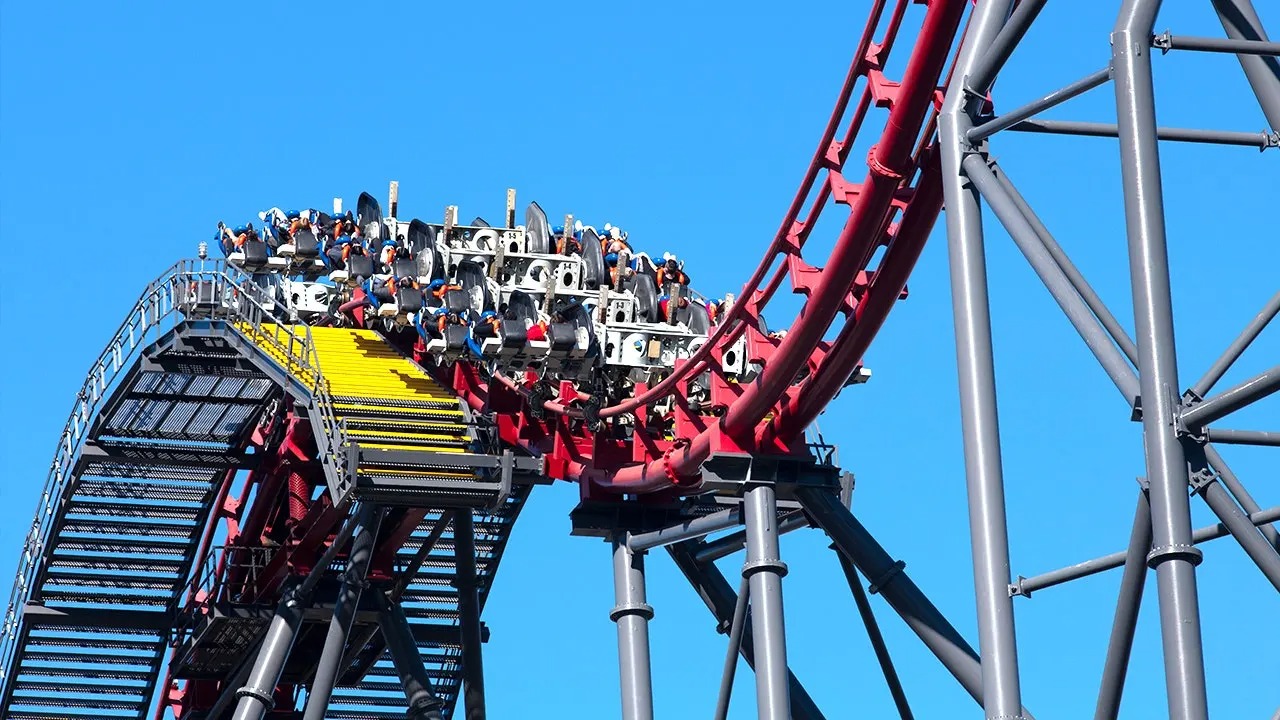
Image via Fox Business
Six Flags Hits the Brakes After a Fatal Georgia Incident
Six Flags is temporarily closing major roller coasters across multiple parks after a deadly incident at its Georgia property. The shutdowns reportedly span big-name rides in states like California, New Jersey, and Illinois, the kind of broad response you only see when management is trying to get in front of a story before regulators, plaintiffs, and insurers take the wheel.
From a business angle, a multi-park pause is expensive fast: lost attendance, refunds, staffing costs, and the PR hit that lingers long after the gates reopen. The bigger issue is trust. Theme parks sell controlled risk. When the public senses the control part is slipping, demand doesn’t just dip for a weekend—it can soften for a season.
Expect a full-court press: inspections, third-party audits, tightened operating procedures, and a messaging campaign to reassure families. But behind the scenes, the real gravity is in liability exposure and insurance renewal terms. If underwriting hardens, that cost doesn’t stay in Georgia—it gets spread across the entire footprint.
🥃 Cole's Take: Operational shutdowns are painful, but they’re cheaper than pretending everything’s fine and letting the next headline write itself. If you own consumer discretionary names, remember this: brand trust is an asset until it isn’t—and when it cracks, the market reprices it overnight. If you’re a parent or grandparent planning trips, wait for clear findings and verified fixes, not just a reopening date.
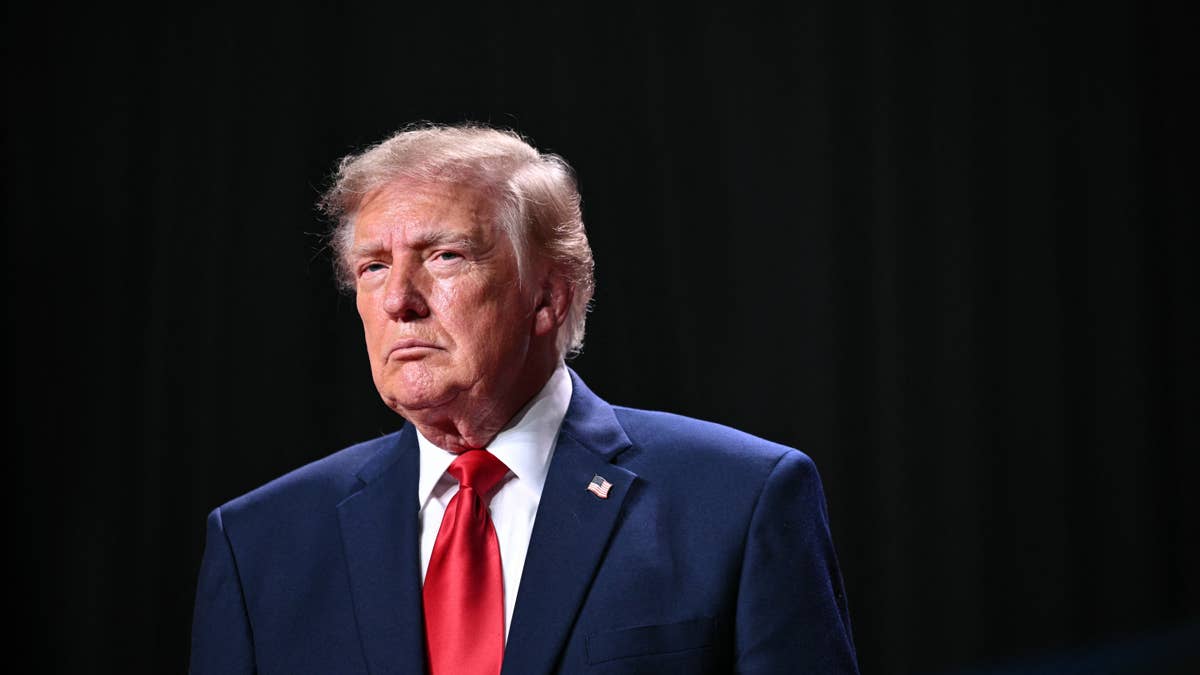
Image via TheStreet
Gold Jumped on an “Energy Ceasefire” Headline—Then Reality Showed Up
A peace-and-energy headline tied to Trump sparked a quick pop in gold, the classic knee-jerk move when traders smell geopolitics and uncertainty. Then the move faded, and that whiplash is the point: gold isn’t just a fear trade—it’s also a rates and dollar trade, and those forces tend to win once the first adrenaline rush wears off.
If the market believes inflation pressure eases, or that real yields stay firm, gold has a tougher time holding gains. The immediate spike tells you positioning is still twitchy. The pullback tells you what’s actually driving the hedge complex right now: real rates, liquidity conditions, and the market’s confidence that policymakers won’t lose control.
For investors, this is a reminder that “headline gold” and “portfolio gold” are two different things. The first trades like a meme for a few hours. The second is about protecting purchasing power and keeping a portion of your wealth outside the financial system’s promises.
🥃 Cole's Take: I like gold best when you don’t need it, not when you’re chasing it after a push alert. If you want it as insurance, size it like insurance and rebalance, don’t day-trade the narrative. The real risk isn’t one ceasefire headline—it’s a long stretch of policy mistakes, debt math, and currency confidence slowly eroding at the edges.
Image via RealClearMarkets
California’s Wealth Tax Push Enters the “Don’t Kid Yourself” Zone
California’s proposed wealth tax (Proposition 40) is back in the spotlight, with economists split on how much revenue it would truly raise versus how much behavior it would change. The argument isn’t just academic. The state is effectively testing a simple question: can you tax mobile wealth as if it were immobile?
Proponents pitch it as fairness and funding stability. Critics argue it’s a revenue mirage once you factor in relocation, asset restructuring, and the legal complexity of valuing privately held stakes, carried interests, and non-public holdings. Even if the policy survives litigation, enforcement and valuation challenges can turn projected billions into something a lot smaller—and a lot messier.
This is also a signal to every entrepreneur and investor with real balance-sheet options. The moment a state starts treating net worth like a permanent captive resource, the wealthy don’t just change their tax strategy—they change their zip code, their domicile rules, and where they build the next company.
🥃 Cole's Take: I’ve watched this movie: the spreadsheet assumes people stand still. They don’t. If you’re in California with meaningful assets, you should already be stress-testing residency, entity structure, and liquidity planning before the rules change, not after. And if you’re a long-term investor, don’t ignore second-order effects—capital formation doesn’t like uncertainty, and it never pays the bill quietly.
A Florida Beach Town Wants to Pay You $10,000 to Vacation—Here’s What That Really Means
A Florida beach destination is offering a $10,000 payout for a 10-day experience built around eating, drinking, exploring, and catching sunsets—the kind of marketing that sounds like a dream until you remember it’s also a business model. Travel boards and local partners are competing for high-value visitors the same way companies compete for customers: incentives, storytelling, and social reach.
These promotions aren’t charity. They’re customer acquisition campaigns aimed at generating content, press, and measurable spending. If it works, the destination gets a flood of similar travelers booking longer stays, upgrading hotels, and filling restaurants in shoulder seasons when occupancy matters most.
For the traveler, the trade is attention and time. There will be itineraries, deliverables, and expectations. Still, if you’re already the kind of person who’d do a Gulf Coast escape and you don’t mind playing along, it can be a smart hack: let someone else subsidize the kind of trip you’d pay for anyway.
🥃 Cole's Take: I love a good beach and an even better deal, but read it like an investor: what are they buying from you—content, access, schedule control? If the strings are light and the experience matches how you actually travel, go get it. If it turns your vacation into a branded scavenger hunt, keep your freedom and pay retail.

Image via Car and Driver
2027 Corvette Stingray and Grand Sport: America’s Muscle Car Keeps Getting Smarter
Car and Driver’s rundown on the 2027 Chevrolet Corvette Stingray and Grand Sport reads like a reminder that the modern Corvette is no longer a blunt instrument. It’s a performance platform—mid-engine balance, real daily usability, and enough trim and option strategy to keep both purists and spec-sheet hunters busy.
The Stingray remains the gateway drug: strong power, real capability, and a value proposition that still irritates cars costing twice as much. The Grand Sport badge, traditionally the bridge between base models and the track monsters, signals Chevrolet’s intent to keep offering a sharper tool for drivers who want more bite without going full race-car cosplay.
What’s notable isn’t just speed. It’s how the Corvette sits in today’s market: performance cars are being squeezed by electrification timelines, insurance costs, and luxury pricing creep. The Corvette survives by being unapologetically American value-per-horsepower—and by continuously improving tech without turning the car into a rolling subscription.
🥃 Cole's Take: If you want a performance car that won’t make you feel like you got mugged by the options list, the Corvette is still the adult decision. The real “investment” angle isn’t flipping it—it’s buying something you’ll actually drive, because garage art is a boring use of capital. Just don’t finance a toy like it’s a necessity; pay like a grown man and enjoy it like one.

Image via GOLF.com
Jon Rahm’s Post-LIV Return: Pro Golf’s Next Reality Check
Jon Rahm is set to make his first professional start since leaving LIV Golf, a move that instantly raises the temperature on the entire pro golf ecosystem. His decision underscores what fans and sponsors have been sensing: the sport’s center of gravity is still in flux, and the door between leagues is no longer sealed shut.
Rahm’s return isn’t just about one player’s schedule. It’s about legitimacy, ranking points, sponsor comfort, and the practical reality that the biggest moments in golf still live in traditional venues and majors-adjacent narratives. If elite players can move back and forth, the negotiating leverage shifts—both for tours and for the athletes.
For viewers, it’s good news. The product improves when the best show up in the same fields more often. For the business of golf, it’s another step toward whatever the next structure is—some hybrid of global events, consolidated ownership, and contracts that look a lot more like other major sports.
🥃 Cole's Take: Golf is better when the best players stop hiding behind politics and start chasing trophies again. Rahm returning is a signal that the “forever split” story was always too clean—money talks, but legacy keeps the last word. If the tours want to win long-term, they’ll focus less on punishment and more on building events people can’t ignore.
📎 GOLF.com
I’m Cole Hargrove. Protect your downside, keep your hobbies funded, and don’t let a headline bully you into a bad decision. See you next issue from just outside Nashville—probably with hickory smoke in the air and markets on the screen.
— Cole Hargrove