Tax season quietly reshapes where capital flows — refunds hit accounts, portfolios get rebalanced, and positions get liquidated to cover obligations. That creates unusual early movement in small-cap stocks that has nothing to do with company fundamentals. Right now, certain names are already showing structural signals most investors will miss entirely.
We've put together a free Market Structure Guide breaking down how tax season shifts market activity, why some small-cap profiles move unexpectedly in March and April, and three companies already showing early breakout signals. The window to act before broader attention arrives is narrow — don't wait.
Get the Free Market Structure Guide*We encourage readers to perform their own research and due diligence on any information we provide. By clicking the link you will automatically be subscribed to the Fierce Investor Newsletter. Privacy Policy

Live Well. Invest Smart. No Apologies.
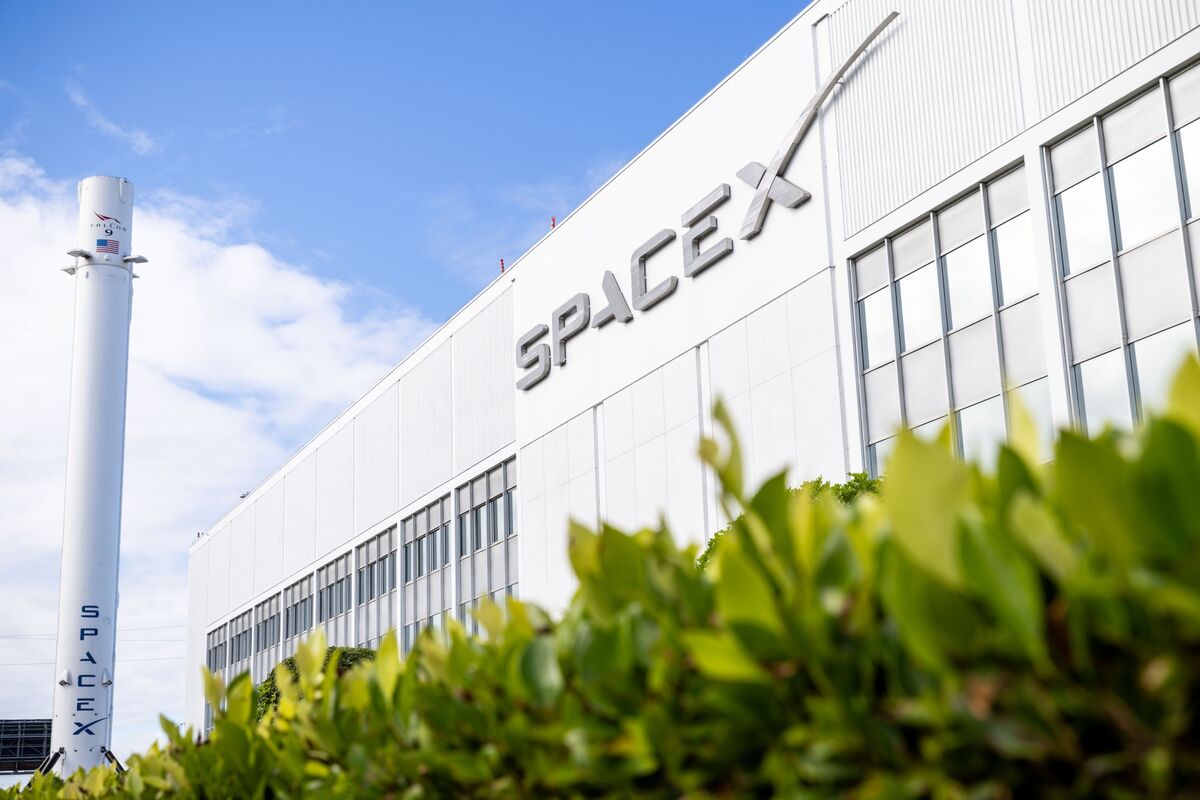
Image via Bloomberg
SpaceX IPO Oversubscribed Before the Bell Even Rings
Elon's rocket company hit the public markets this week with a $75 billion valuation, and the order book filled faster than a tee time at Augusta on Masters Sunday. According to sources close to the deal, institutional and retail demand exceeded available shares before the opening bell, making this one of the most oversubscribed offerings in modern market history. This isn't hype — it's what happens when a company controls commercial space access, government contracts, and the Starlink network that's become critical infrastructure across three continents.
The pricing came in at the high end of the range, and allocations got sliced so thin that most retail investors are looking at fractional positions if they're lucky enough to get in at all. The underwriters — led by Morgan Stanley and Goldman — structured this to reward long-term institutional holders, which means the pop on day one might be muted compared to the usual IPO circus. But make no mistake: this is the kind of offering that defines a decade.
For context, SpaceX generated over $9 billion in revenue last year, with Starlink contributing nearly half. The company's launch cadence, reusable rocket technology, and Defense Department relationships give it a moat wider than anything you'll find in traditional aerospace. This isn't speculative tech. It's infrastructure with a ticker.
🥃 Cole's Take: If you didn't get an allocation, don't chase it on day one. SpaceX will trade like a battleship, not a speedboat — and that's exactly what you want in a portfolio anchor. Let the froth settle, then accumulate on dips. This is a twenty-year hold.
Image via Fox Business
Jobs Report Beats Expectations, Market Shrugs Anyway
The Bureau of Labor Statistics dropped May's employment numbers Friday morning: 172,000 jobs added, nearly double the 85,000 economists expected. Unemployment held steady at 4.3%, and revisions to prior months came in mostly flat. By any reasonable measure, this is a healthy labor market — not overheated, not collapsing, just steady growth in line with population expansion and business formation.
The breakdown showed strength in healthcare, professional services, and logistics, with some softness in retail and construction. Wage growth ticked up 3.8% year-over-year, which is enough to keep consumers spending but not enough to spook the Fed into another rate hike. It's the Goldilocks scenario everyone's been looking for since the last round of tightening wrapped up in late 2025.
Markets barely moved on the news. Bonds stayed calm, equities drifted slightly higher, and the dollar held its range. That's what happens when the data confirms what everyone already suspected: the landing was soft, the recession never came, and we're back to a macro environment where fundamentals matter more than Fed signals.
🥃 Cole's Take: This is the kind of report that lets you sleep well. No drama, no surprises, just an economy doing what it's supposed to do. If you've been sitting on cash waiting for a collapse, this is your signal to stop waiting.
Image via TheStreet
Morgan Stanley Bets $1.2 Trillion on AI Agents — and You Won't See It Coming
Morgan Stanley isn't making noise about this, but they've quietly restructured a $1.2 trillion slice of their operations around AI agents — autonomous systems that handle everything from trade execution to client onboarding to compliance monitoring. These aren't chatbots. They're decision-making entities that operate in the background, learning, optimizing, and replacing entire departments without a press release or a layoff announcement. By the time most people notice, the shift will be irreversible.
The bank's leadership sees this as the next phase of operational leverage: fewer humans in the loop, faster execution, lower error rates, and the ability to scale client service without scaling headcount. The technology comes from a mix of in-house development and partnerships with companies like OpenAI, Anthropic, and a handful of stealth-mode AI infrastructure firms that most retail investors have never heard of. This is institutional-grade automation, and it's spreading faster than anyone outside the industry realizes.
What matters for investors isn't just Morgan Stanley's efficiency play — it's the signal. If a $1.2 trillion bet is being placed on AI agents by one of the most conservative institutions in finance, the entire white-collar economy is about to get re-priced. That means opportunity in the infrastructure layer: chips, data centers, energy, and the picks-and-shovels companies that make this possible.
🥃 Cole's Take: This is how disruption actually happens — quietly, in the back office, until suddenly it's everywhere. If you're not positioned in AI infrastructure and energy plays that power it, you're missing the biggest reallocation of capital in a generation.

Image via OffRoad Xtreme
Ford's Bronco Filson Edition Is the Truck You Actually Want to Own
Ford just unveiled the 2027 Bronco Filson, and it's exactly what a premium off-road rig should be: functional, handsome, and built for people who actually use their trucks. The collaboration with Filson brings waxed canvas accents, leather trim that'll age like a good bourbon barrel, and the kind of thoughtful details you don't find in a mall-crawler. Under it all sits the Sasquatch package — 35-inch tires, locking differentials, and a suspension setup that handles everything from fire roads to actual trails.
This isn't a lifestyle branding exercise. Filson's been outfitting hunters, loggers, and outdoorsmen since 1897, and their gear philosophy — buy once, use forever — translates perfectly to a truck that's meant to last 200,000 miles. The Bronco Filson comes standard with the 2.7L EcoBoost V6, a 10-speed transmission, and enough ground clearance to make a Wrangler owner think twice. Pricing hasn't been announced, but expect a premium over the standard Sasquatch model — call it mid-$60s before you start adding options.
What's notable here is Ford's willingness to chase the premium outdoor market without turning the Bronco into a luxury SUV. This thing still has manual hubs, removable doors, and a drain plug in the floor. It's a tool that happens to look damn good parked at a trailhead or a country club, and that's a harder balance to strike than most automakers realize.
🥃 Cole's Take: If you've been waiting for a Bronco that doesn't feel like a mall prop, this is it. Ford's betting that buyers with money want substance, not just Instagram backdrops — and they're right.
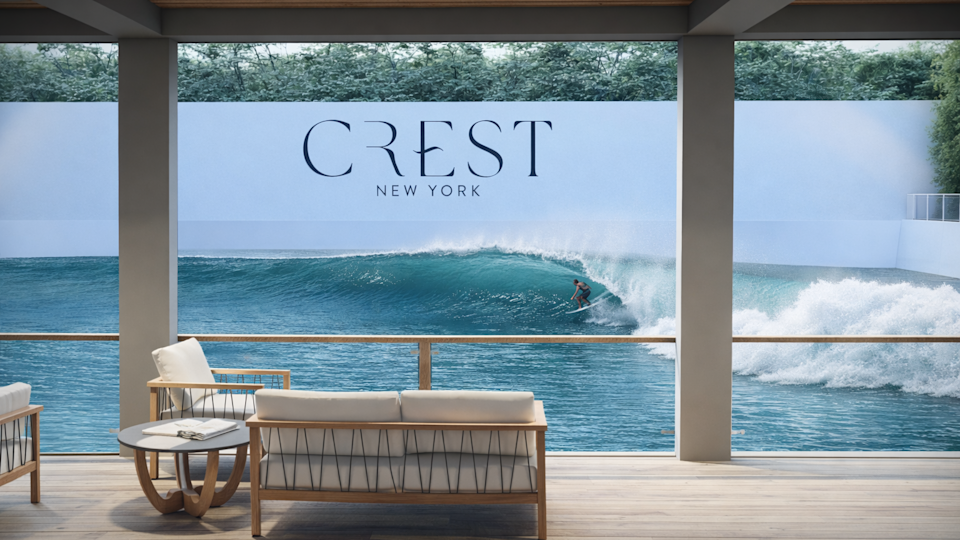
Image via Surfer
A $60 Million Surf Club With Perfect Waves and a $50K Buy-In
Crest is building something that shouldn't exist in New York: a private surf club with machine-generated waves, country-club exclusivity, and a $50,000 initiation fee. The facility, located just outside the city, features Kelly Slater Wave Company technology capable of producing consistent, customizable waves in a controlled lagoon environment. Members get guaranteed surf sessions, coaching from pros, and access to a clubhouse that looks more like a Soho House than a Jersey Shore rental.
The economics are fascinating. Crest raised $60 million in development capital, targeting a membership base of 500 to 800 people willing to pay annual dues in the low five figures after that initial buy-in. The pitch isn't just about surfing — it's about scarcity, consistency, and eliminating the variables that make ocean surfing frustrating for anyone with a calendar and a career. You book a session, you show up, the waves are perfect, and you're back in the city by dinner.
This is part of a broader trend: the privatization of outdoor experiences for people who can afford to bypass crowds, weather, and unpredictability. Whether it's heli-skiing with guaranteed powder, guided fly-fishing on private rivers, or a surf club in New York, the business model is the same — sell access to nature on your terms, not nature's. It's not for everyone, but it's not trying to be.
🥃 Cole's Take: I've surfed real breaks in Costa Rica and Hawaii, and nothing replicates the ocean. But if you're in Manhattan and want to stay sharp between trips, this makes more sense than a Peloton in your living room. The real story is what it says about where money's flowing in lifestyle investing.
📎 Surfer
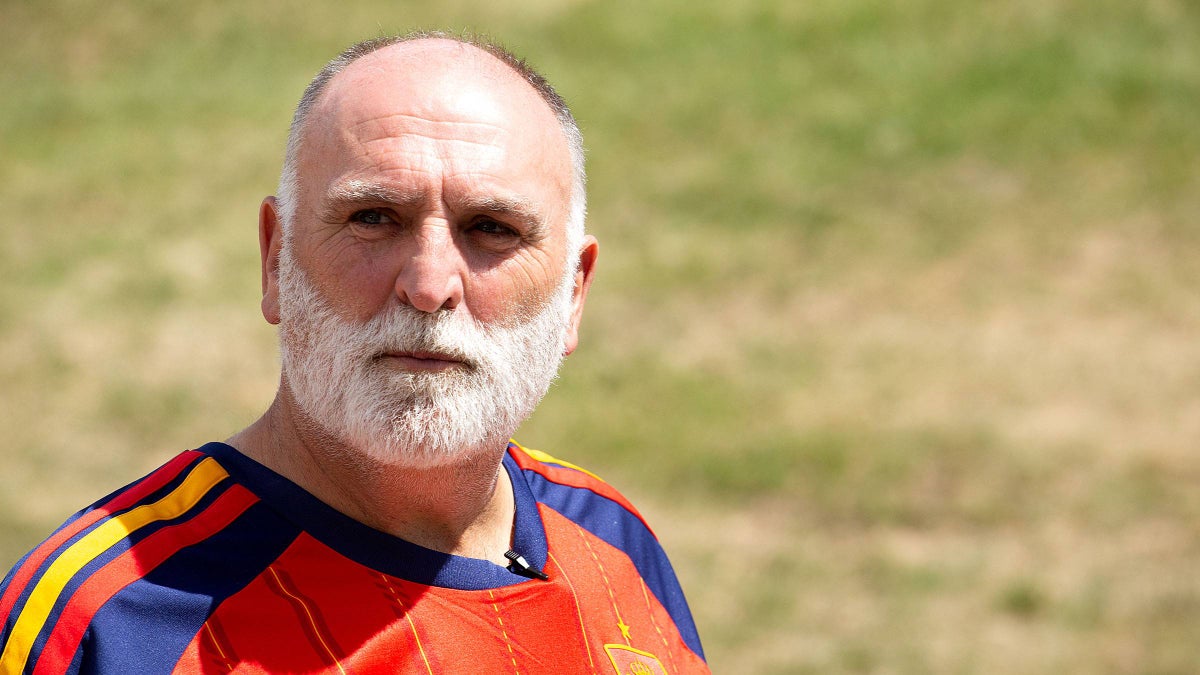
Image via Outside
José Andrés on Teamwork, Survival, and Why Outdoor People Are the Best of Us
Chef and humanitarian José Andrés spoke at Outside Days this week, and his message wasn't about Michelin stars or restaurant empires — it was about what he's learned feeding people in disaster zones, war zones, and places where infrastructure collapsed overnight. Andrés has deployed his World Central Kitchen to more than 60 countries, serving millions of meals in conditions that would break most organizations. His thesis: the people who thrive in crisis are the ones who understand teamwork, improvisation, and how to stay calm when everything's falling apart.
Andrés drew a direct line between outdoor culture and resilience. He argued that people who hike, camp, climb, and hunt develop instincts that translate directly to high-pressure situations — reading environments, solving problems with limited resources, and trusting the people around you when there's no safety net. In his view, outdoor enthusiasts represent the best of humanity because they've chosen discomfort, learned from it, and come back stronger.
He also talked about food as a form of infrastructure — not just nutrition, but dignity, community, and the foundation for rebuilding after everything else is gone. For a guy who's fed earthquake survivors in Turkey, hurricane victims in Puerto Rico, and refugees across Europe, Andrés has a perspective on survival that most of us only read about. His advice: get outside, learn skills that don't require electricity, and surround yourself with people who've done the same.
🥃 Cole's Take: Andrés gets it. The skills you build on a trail or in a backcountry camp aren't hobbies — they're insurance. The people who can navigate uncertainty in the wilderness are the same ones you want in your portfolio strategy sessions and your foxhole.
📎 Outside
That's the Brief. SpaceX is printing money in public markets, AI is eating Wall Street from the inside out, and Ford finally built a Bronco that doesn't apologize. Get outside this weekend — the markets will be here Monday. — Cole
— Cole Hargrove