Oil markets are shifting as Venezuela's disruption removes critical barrels while spare capacity shrinks. Supply pressure is building before headlines catch up — and smart traders are positioning now.
Our exclusive briefing reveals three energy stocks emerging from this supply shock, plus the key signals to monitor as this setup evolves. This is about preparation, not prediction.
Get the Free Oil Trading ReportBy following the links above, you're opting in to receive valuable updates from Wealthiest Investor News plus 2 bonus subscriptions. Your privacy is important to us. You can unsubscribe anytime. See our privacy policy for details.

Live Well. Invest Smart. No Apologies.
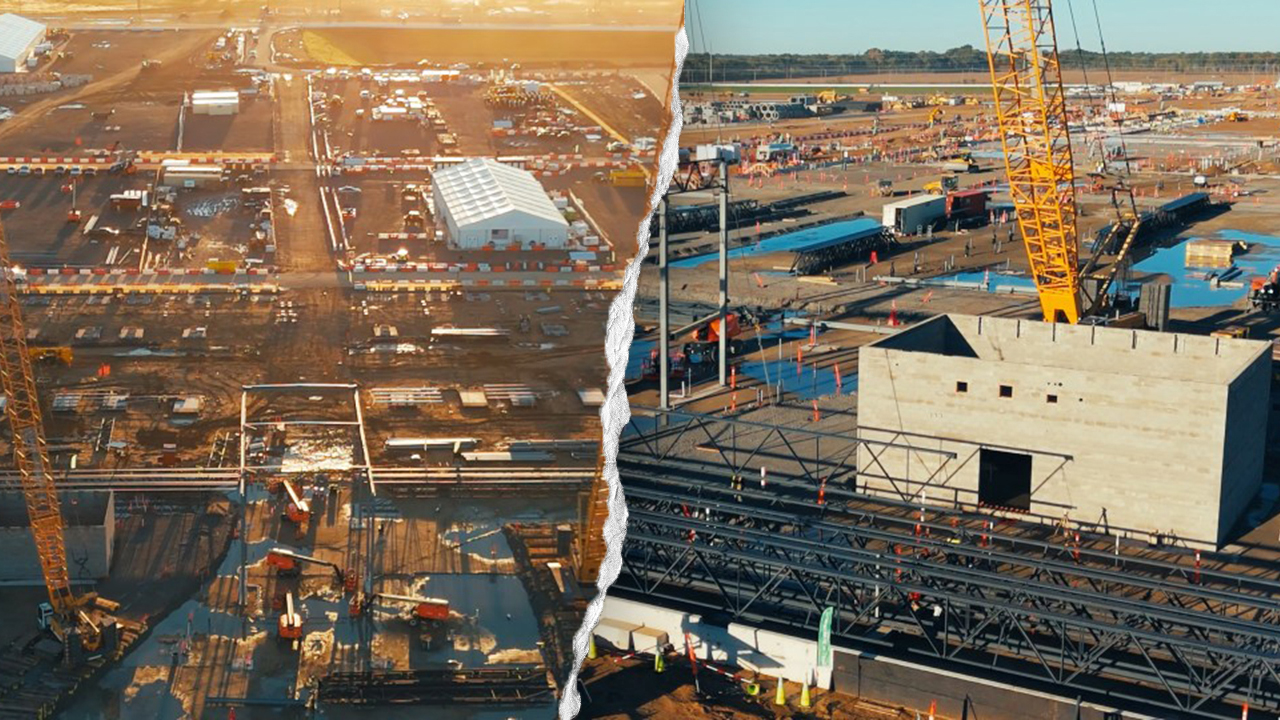
Image via Fox Business
Meta’s $50B Louisiana buildout: AI needs power, water, and patience
Meta is expanding its Richland Parish, Louisiana data center footprint as part of a broader $50 billion AI infrastructure push, turning a rural site into what the company says will be one of the largest data centers in history. This isn’t just a “more servers” story. It’s grid upgrades, fiber, substations, land, long-term tax agreements, and a whole ecosystem that follows the concrete.
For the community, Meta is highlighting jobs and new funding, and those benefits can be real—especially when you’re talking about areas that don’t have a deep bench of large employers. The flip side is that the biggest economic impact often comes during construction, while the steady-state operation is more technical and lean. The lasting win for rural parishes is usually the infrastructure: better connectivity, better roads, and a reason for suppliers and contractors to stick around.
The market angle is simple: AI isn’t “in the cloud.” It’s on the ground. Whoever controls compute at scale, at acceptable cost, with reliable power, has leverage—over product roadmaps, over margins, and over the next decade of enterprise spending.
🥃 Cole's Take: This is the part of the AI boom that gets underestimated: the unsexy physical build. If you want exposure, you don’t only look at the flashy model makers—you watch the pick-and-shovel chain: power, cooling, chips, networking, and the boring industrial contractors that keep showing up on the invoices. For everyday investors, the signal here is durability: management teams don’t pour this kind of capital unless they see demand they can’t meet with yesterday’s footprint.

Image via Bloomberg
Hormuz uncertainty is back: the energy risk premium is the whole trade
The US and Iran traded fresh strikes as both sides disputed whether the Strait of Hormuz is effectively open, injecting fresh uncertainty into the world’s most important oil chokepoint. Even when physical flows don’t fully stop, markets can seize up on insurance costs, vessel routing changes, and the simple fact that traders hate ambiguity more than bad news.
If you’re watching prices at the pump, the path from a headline in the Gulf to your local station runs through crude, refined product spreads, shipping, and inventory levels. If you’re watching your portfolio, the impact is wider: higher energy inputs can keep inflation sticky, complicate rate-cut timelines, and pressure consumer discretionary spending right when earnings expectations get complacent.
What matters now is not the day-to-day drama, but whether shipping risk becomes structural for weeks, not hours. The longer uncertainty lingers, the more “temporary” price spikes start behaving like a regime shift.
🥃 Cole's Take: I treat Hormuz like a weather system: you don’t argue with it, you prep for it. Keep some ballast—quality energy exposure, a little cash, and a plan for what you’ll do if volatility jumps and the market offers discounts. If you’re over-levered or living on tight margins, this is the reminder that geopolitical risk always shows up eventually, and it always sends an invoice.

Image via Yahoo Finance
India inflation ticks up to 4.38%: emerging markets don’t get to relax
India’s retail inflation accelerated to 4.38%, reigniting expectations that policymakers may need to stay tighter—or even lean toward another hike—rather than pivot to easy money. For a fast-growing economy, inflation is the tax that never sends a receipt: it hits food, fuel, and sentiment all at once, and it can turn political in a hurry.
For global investors, India sits at an intersection you can’t ignore: demographics, manufacturing ambition, tech services, and rising domestic consumption. But the higher the inflation print, the more it tests the “growth at any price” story and pushes bond yields up, which can tug capital back toward safer havens.
This also matters for multinationals. If India has to stay restrictive, it can cool demand at the margin—especially in interest-rate sensitive categories—and it can shift currency dynamics in ways that move reported earnings.
🥃 Cole's Take: India is still a long game, but long games punish investors who ignore inflation. If you’re allocating there, I prefer quality companies with pricing power and clean balance sheets over hype and leverage. Rate expectations can whip headlines around, but the real question is whether margins hold when costs rise and consumers get picky.

Image via Off Road Xtreme
A 1986 Jeep J10 with a 406 stroker: the best builds are the ones you don’t sell
A 1986 Jeep J10 packing a 406-cubic-inch stroker V8, rolling on 37s, is the kind of rig that makes you stop scrolling and start remembering. This one isn’t just a spec sheet with shiny parts—it’s decades of family history preserved in steel, paint, and the particular smell that old trucks keep like a signature.
What I love here is the balance: modern components where they matter, but the original character still intact. It’s easy to overbuild until the soul is gone, turning a classic into a sterile project. This J10 reads like a truck that gets used, maintained, and respected—exactly the point.
There’s also an investing parallel: the best “assets” aren’t always the ones with the highest theoretical resale. Sometimes the real return is utility, durability, and the stories you get to keep adding.
🥃 Cole's Take: This is what wealth looks like when it’s healthy: you can afford the build, but you build it because it means something. I’d rather own one honest, sorted rig with history than three trendy toys financed at a bad rate. If you’re going to spend, spend on craftsmanship and memories—those compound better than status.
The Bertram 35 proves a classic hull can still outrun the hype
The Bertram 35 remains a legend for a reason, and the redesigned hull work introduced in 2017 kept the signature Bertram DNA while bringing modern performance into the equation. Updated propulsion and refinements translate into a ride that’s faster and smoother without losing the offshore credibility that made the name matter in the first place.
What stands out is the idea of respectful modernization. Boats are like portfolios: you can chase every new thing and end up exposed, or you can upgrade where it improves reliability and experience while keeping the core structure you trust. The Bertram story is about keeping the good bones and updating the systems that benefit from new engineering.
In a market where some buyers pay more for touchscreen gloss than hull integrity, it’s refreshing to see the fundamentals still win—sea-keeping, build quality, and the confidence to run when conditions aren’t polite.
🥃 Cole's Take: Classics that get modernized the right way tend to hold value because they satisfy two kinds of buyers: the nostalgia crowd and the performance crowd. If you’re shopping in this tier, focus less on the showroom shine and more on hull, power, maintenance records, and how it actually runs in real water. The best boat is the one that gets you home comfortably, not the one that photographs best at the dock.

Image via Robb Report
The Guillotine cocktail: smoky, stiff, and smarter than it looks
Robb Report’s Guillotine is an Old Fashioned riff that pairs mezcal and Scotch, then sneaks in a fourth ingredient you probably won’t guess. The concept is simple: take the familiar structure of an Old Fashioned and layer smoke on smoke, but with enough balance that it doesn’t turn into a campfire gimmick.
This is the kind of drink that makes sense for how a lot of us actually live now: one good pour, done well, with intention. Mezcal brings a different kind of smoke than peated Scotch—more earthy, more mineral—and when it’s handled right, the result is complex instead of aggressive.
It’s also a reminder that “premium” isn’t about being expensive. It’s about being deliberate: a recipe worth repeating, a bottle you actually enjoy, and a ritual that signals the day is done.
🥃 Cole's Take: I’m biased toward cocktails that respect the base spirits, and this one earns it—provided you measure and don’t over-sweeten. If you’re going to mix mezcal and Scotch, use bottles you’d still drink neat; the drink won’t hide bad decisions. Make it once by the book, then adjust one variable at a time like you’re tuning a driver—small changes, big outcomes.
Cole Hargrove The Balanced Brief Live Well. Invest Smart. No Apologies.
— Cole Hargrove