Our Sponsor:
Get ahead of Wall Street with Elite Trade Club's free 5-minute morning brief. Over 170,000 readers rely on it for market-moving stories in plain English, key numbers to watch, and SMS alerts delivered straight to your phone before the bell rings.
Sign up today and unlock exclusive partner insights — handpicked opportunities designed to give you an extra edge. Completely free, one-click signup gets you started instantly.
Get the Free Market BriefBy clicking the link, you agree to join Elite Trade Club emails and unlock complimentary insights from select partners. Privacy Policy

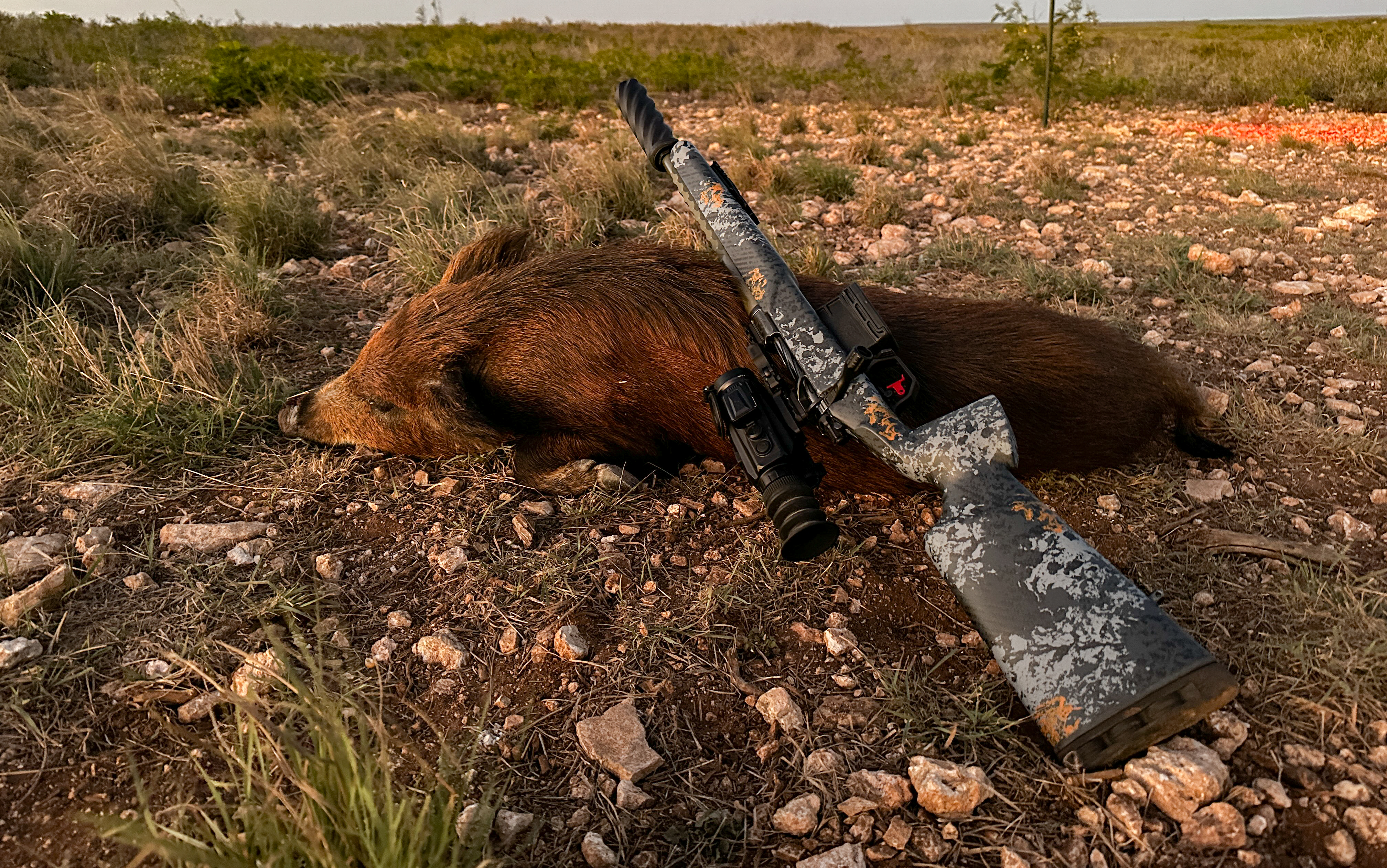
Image via Outdoor Life
Night Hunting Gear That Works (and What Will Waste Your Money)
Outdoor Life was out with a report that’s basically a Night Hunting 101 refresher—built around interviews with experienced predator and hog hunters who’ve already made the expensive mistakes, so you don’t have to. The focus isn’t “look how cool this is” gear porn. It’s practical: what equipment actually earns its keep in the dark, what to skip, and how to put the whole setup together so you’re not fighting your own tools at 2 a.m.
The piece leans on real-world advice about optics and illumination—how guys are identifying targets, managing distance, and staying effective once the sun’s gone. Night hunting isn’t just “day hunting with a flashlight.” It’s a different game with different failure points: losing depth perception, misjudging range, blowing setups with sloppy light discipline, and burning time fiddling with gadgets instead of hunting. Outdoor Life’s angle is clear: the right gear matters, but tactics and discipline matter more, and you can’t buy your way around that.
They also put emphasis on “gear to get (and avoid),” which is the part most folks actually need. Night hunting is one of those corners of the outdoors where it’s real easy to get upsold into a mess—cheap accessories that don’t hold zero, mounts that shift, lights that wash out the sight picture, and optics that look fine on a website but fall apart when you’re trying to pick out a coyote in brush at 150 yards. The whole vibe is: build a simple system that works together, then learn it until it’s boring.
✍ My Take: Here’s why this matters to you, even if you’re not trying to turn into some full-time predator guy. Night hunting is one of the fastest ways to waste money in the outdoors because the marketing is louder than the results. It’s the same trap as buying a bargain “tool set” that looks impressive in the garage but rounds off the first bolt you put it on. If you’re going to do this, you want dependable, repeatable, and legal—period. The minute your setup is complicated enough that you need a checklist to run it, you’re already behind. Second, night hunting is where “cool” can get you in trouble. Your margin for error shrinks hard after dark—especially around property lines, livestock, and homes. The real pros aren’t the guys with the most expensive toys; they’re the guys with clean identification, solid backstops, and a system they can operate without drama. If you’ve got land, or you’re managing hogs and predators for buddies, doing it right protects more than your pride. It protects your access, your reputation, and frankly your freedom to keep hunting without somebody’s complaint turning into a problem. What happens next is pretty predictable: more states will keep revisiting night hunting regs, more counties will get sensitive when development pushes out into rural areas, and the “night vision / thermal” conversation will keep heating up—especially as prices come down and more folks get in the game. So if you’re thinking about it, start with your local laws, then build a modest, reliable kit around how you actually hunt. Don’t buy a setup for the internet. Buy a setup that works on your ground, in your conditions, with your level of patience at midnight. Read the full story at Outdoor Life.
Read the full story at Outdoor Life →
Live well. Work hard. No apologies.
— Backyard Legends Editor